
September 1, 2026

As the Igire-Gimbuka Program approaches the end of its implementation period, Caritas Rwanda created an opportunity for staff to pause, reflect, reconnect and celebrate their contribution. This included a wellbeing and stress management session, as well as friendly matches between Igire-Gimbuka and Caritas Rwanda teams, from 27th to 28th August 2026 in Kigali.

The wellbeing and stress management session took place at the Convent of the Carmelite Sisters in Nyamirambo on 27th August 2026, while the football and volleyball matches held at Mumena Sport Playground on 28th August 2026.

The first day focused on wellbeing and stress management. Staff reflected on what causes stress, how they recognize its signs and the different ways they cope with pressure. The discussion highlighted that stress can come from work demands, uncertainty about employment and challenges in family life.

A key message was the importance of having someone trustworthy to talk to during difficult moments (called “mingo”). Staff were encouraged to maintain supportive relationships with colleagues, friends and family members as an important source of strength and resilience.

Recognizing the people behind the results

During the session, certificates of appreciation were presented to staff across different roles. Each staff member was personally recognized for their commitment, strengths and contribution to the program.

The recognition reminded staff that behind every program achievement are people whose dedication and hard work make results possible.

Caritas Rwanda, a family

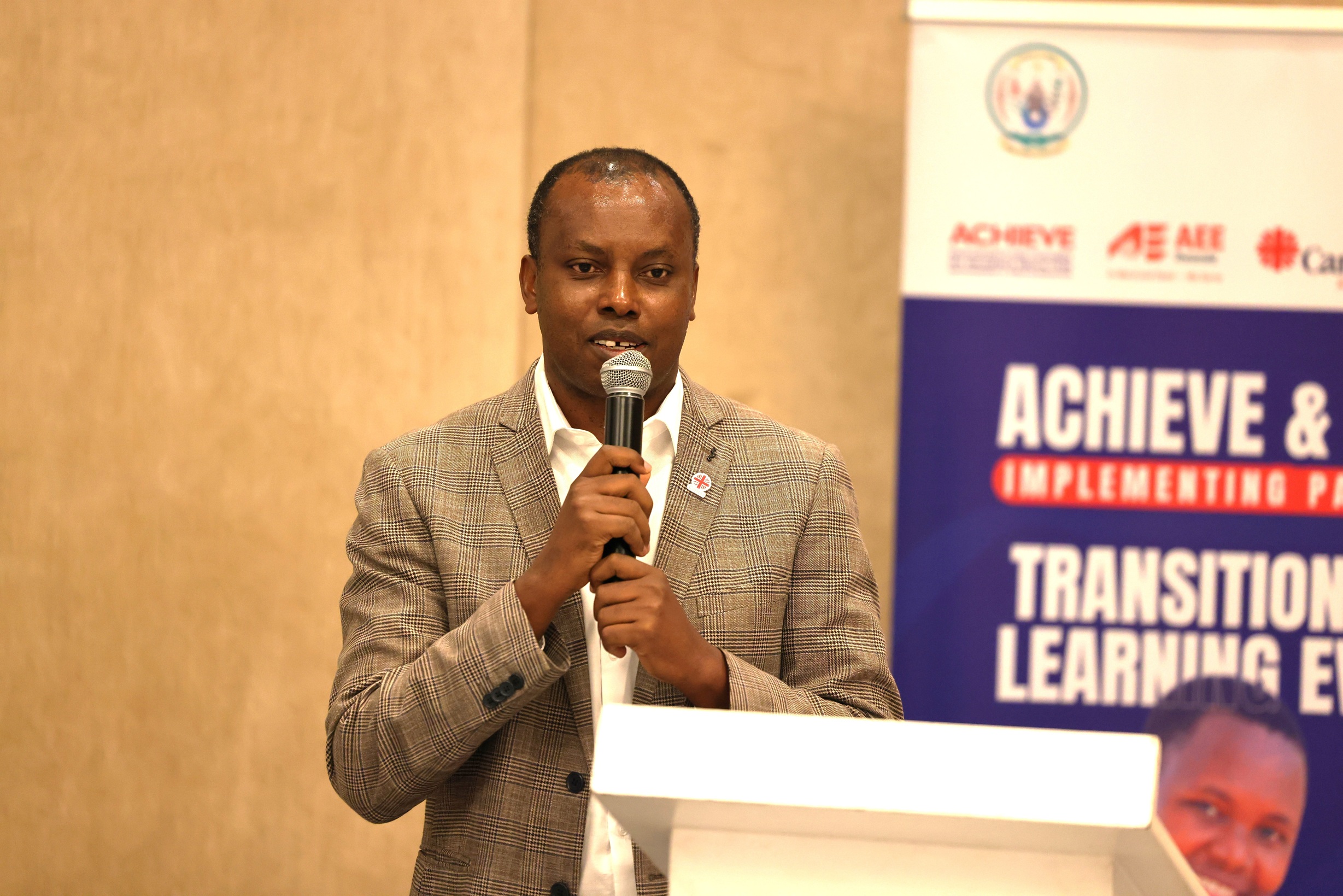
Father Oscar Kagimbura, the Secretary General of Caritas Rwanda joined the closing session and thanked Igire-Gimbuka staff for their contribution.

He described Igire-Gimbuka as one of Caritas Rwanda’s largest and most impactful programs, highlighting its contribution to vulnerable communities and to the growth of the organization.

He encouraged staff to manage stress positively and reminded them of the importance of prayer and faith in everyday life. “God is never absent and never late; it is people who are impatient”, he emphasized.

He also reminded staff that Caritas Rwanda is like a family, assuring them that even when contracts end, their connection with the organization remains.

Building stronger teams through sport

The second day brought staff together at Mumena Sport Playground for friendly football and volleyball matches involving colleagues from different Caritas Rwanda programs.

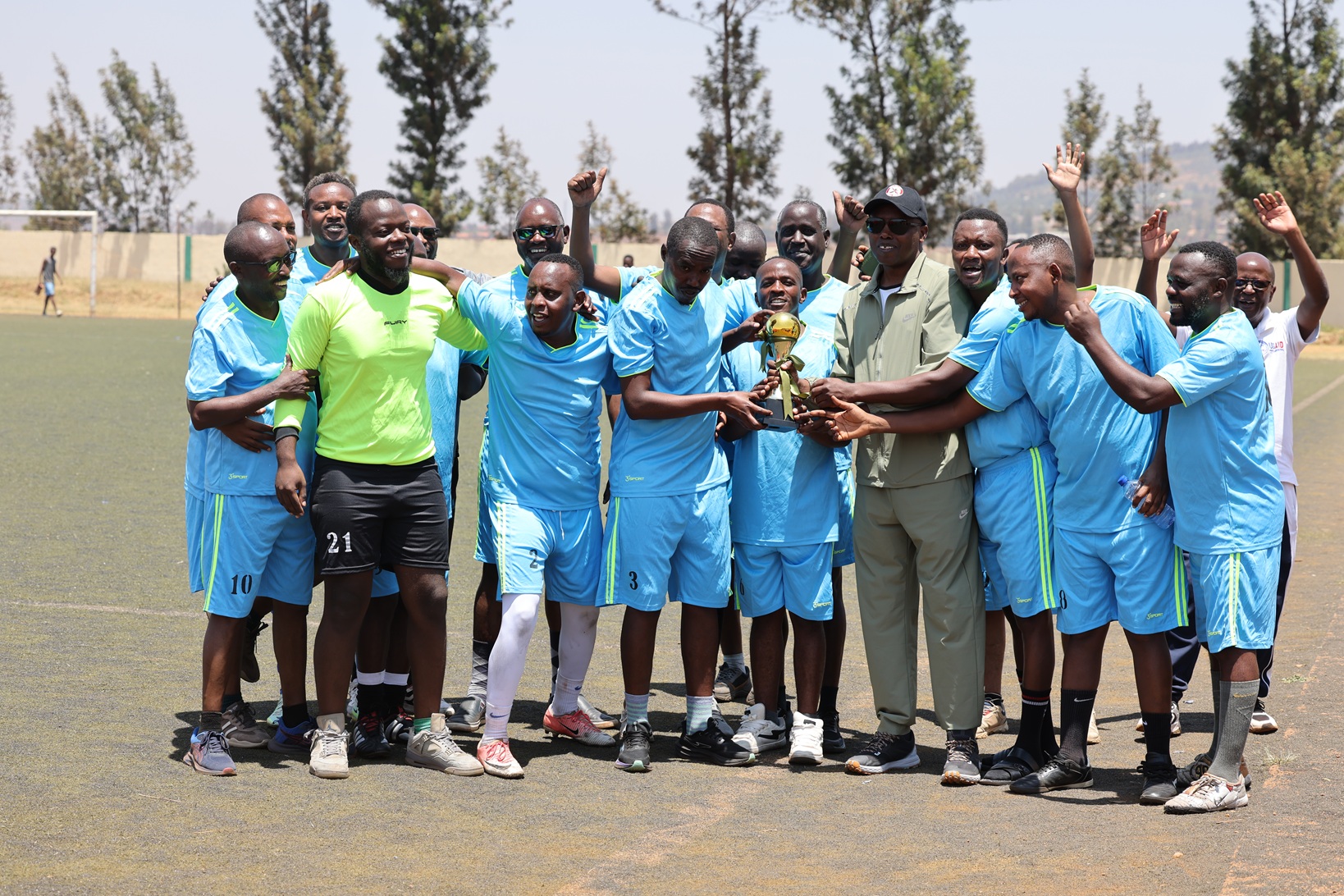
In football, the Igire-Gimbuka team secured a 2–1 victory over the Caritas Rwanda team.

The Igire-Gimbuka football club, celebrating the victory.

In volleyball, Caritas Rwanda came out on top, winning 2–0 sets against the Igire-Gimbuka team.

Beyond the scores, the matches provided a great opportunity to strengthen teamwork, build trust, foster connections and create shared experiences among colleagues.

August 31, 2026

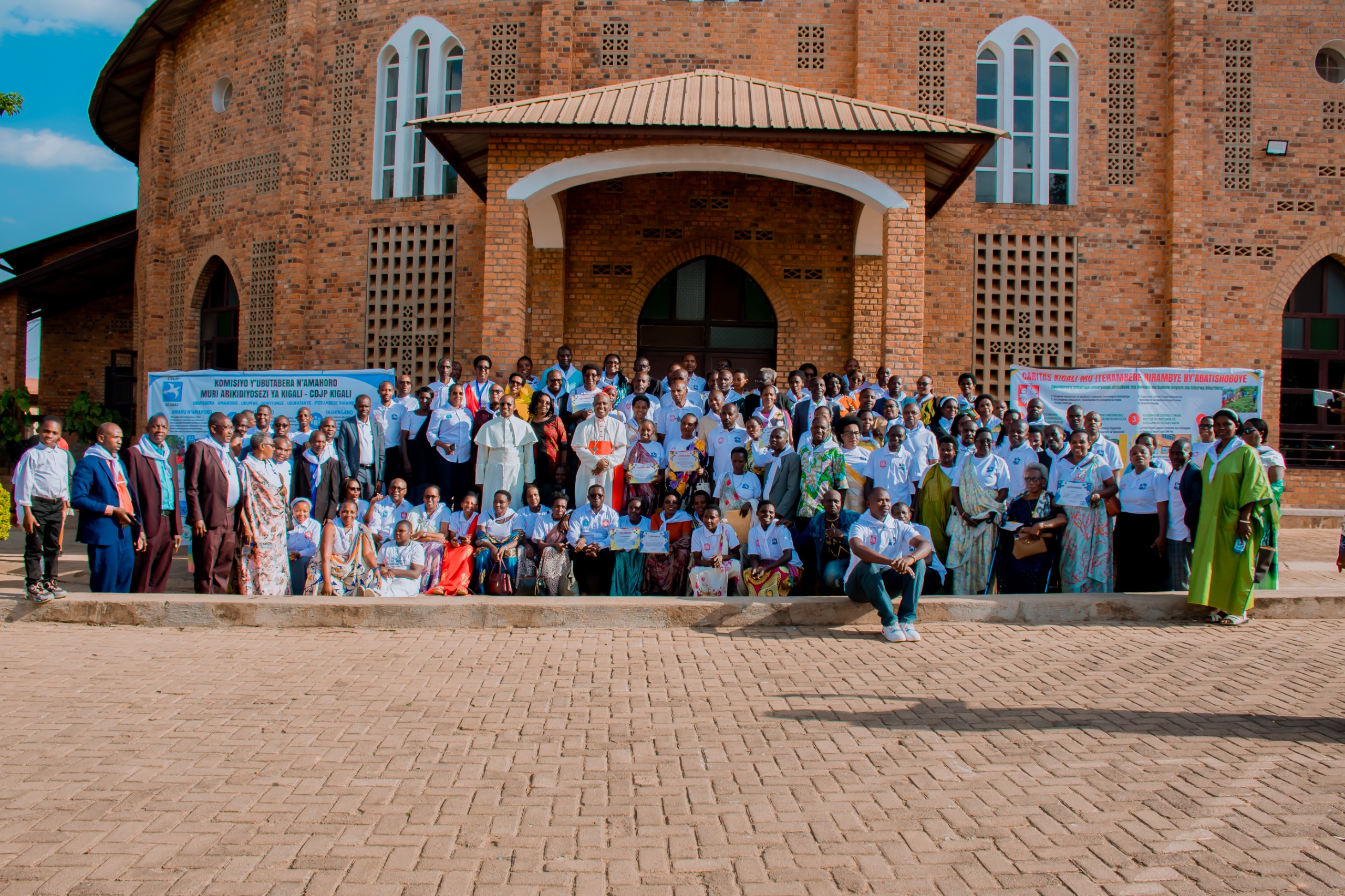
On Sunday, 30 August 2026, Caritas of the Archdiocese of Kigali celebrated the 50th anniversary of Caritas and the Justice and Peace Commission. The celebrations began with a Thanksgiving Mass celebrated at the Sainte Famille Church in Kigali.

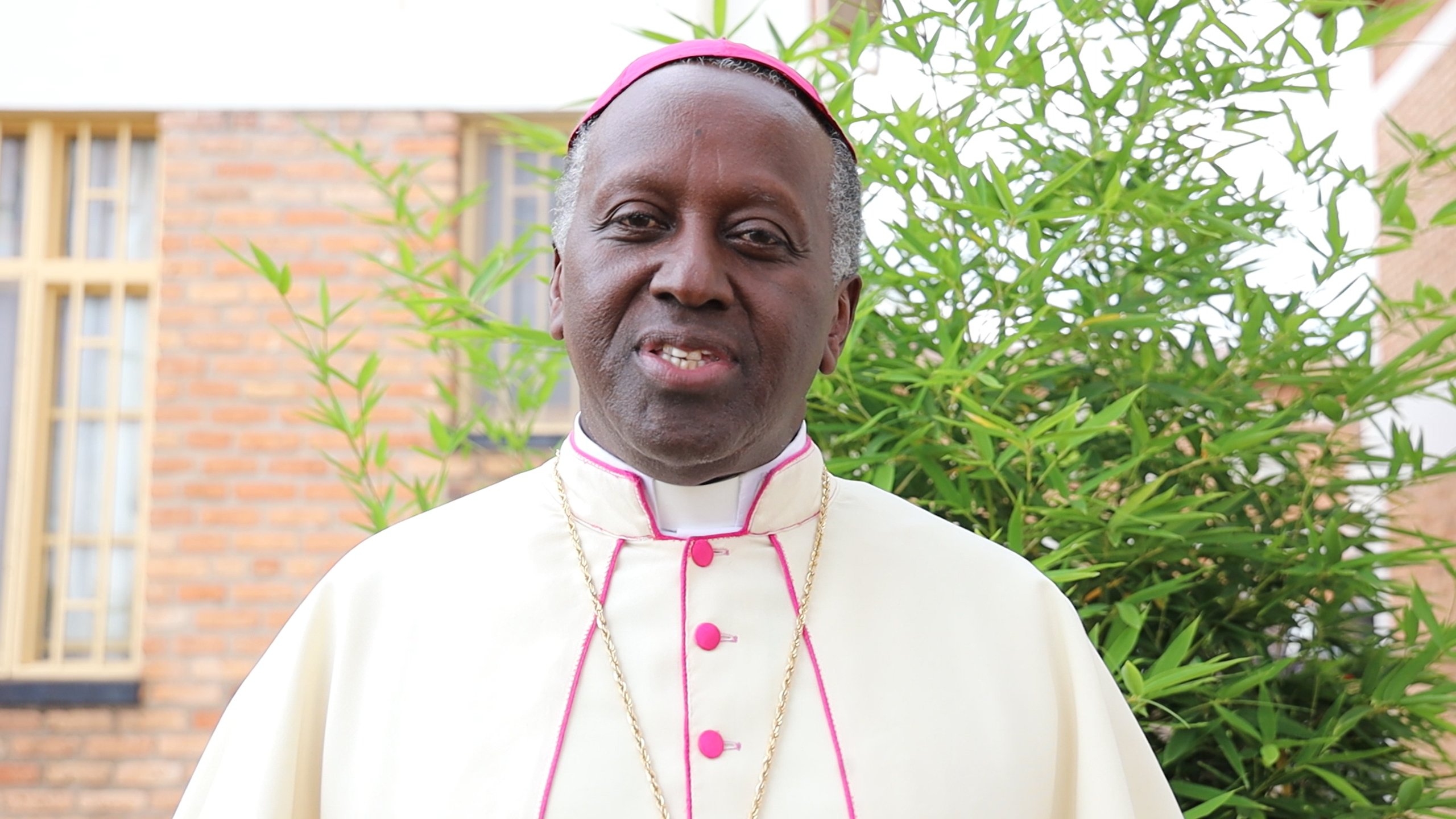
In his homily, His Eminence Antoine Cardinal Kambanda emphasized that Caritas does not rely solely on the support of wealthy people. He noted that people who themselves experience the challenges of poverty are also capable of pooling their modest resources to support others going through difficult times.

“No one is so poor that they have nothing to give to their neighbour. Even a vulnerable person can offer you words of encouragement or pray to God for you, so that what they are unable to do for you, God may accomplish,” said His Eminence Antoine Cardinal Kambanda.

Addressing the healthcare issue, Cardinal Kambanda said that more than three million people have received care through the three hospitals and 16 health centres of the Archdiocese of Kigali, which are supervised by the Health Department of Caritas Kigali.

He also expressed his appreciation to the Government of Rwanda for strengthening the Community-Based Health Insurance scheme (Mutuelle de Santé), thereby facilitating access to healthcare for the population. He recalled that Caritas Kigali had previously piloted a similar approach, particularly by facilitating access to affordable ambulance services for members of the Community-Based Health Insurance scheme. The Government later expanded this approach to the entire population and to a wider range of health services.

The jubilee celebrations also provided an opportunity to honour all those who have contributed to the work of Caritas Kigali over the past five decades. They include bishops, priests, consecrated persons, the faithful, volunteers, partners, public institutions, and all those who have contributed to ensuring that the message of love, justice and peace reaches communities.

The offering collected during the Thanksgiving Mass marking the 50th anniversary of Caritas Kigali will be dedicated to constructing a home for a family who doesn’t have decent house. Over the years, Caritas Kigali has placed particular emphasis on supporting people without adequate shelter, including through the construction of houses that enable them to live in more dignified conditions.

August 26, 2026

Fifteen staff members from the Caritas Rwanda ECD-based projects Project have strengthened their knowledge and practical skills in Early Childhood Development following a five-day capacity-building workshop held from 17 to 21 August 2026 at Sainte Famille Hôtel in Nyarugenge District.

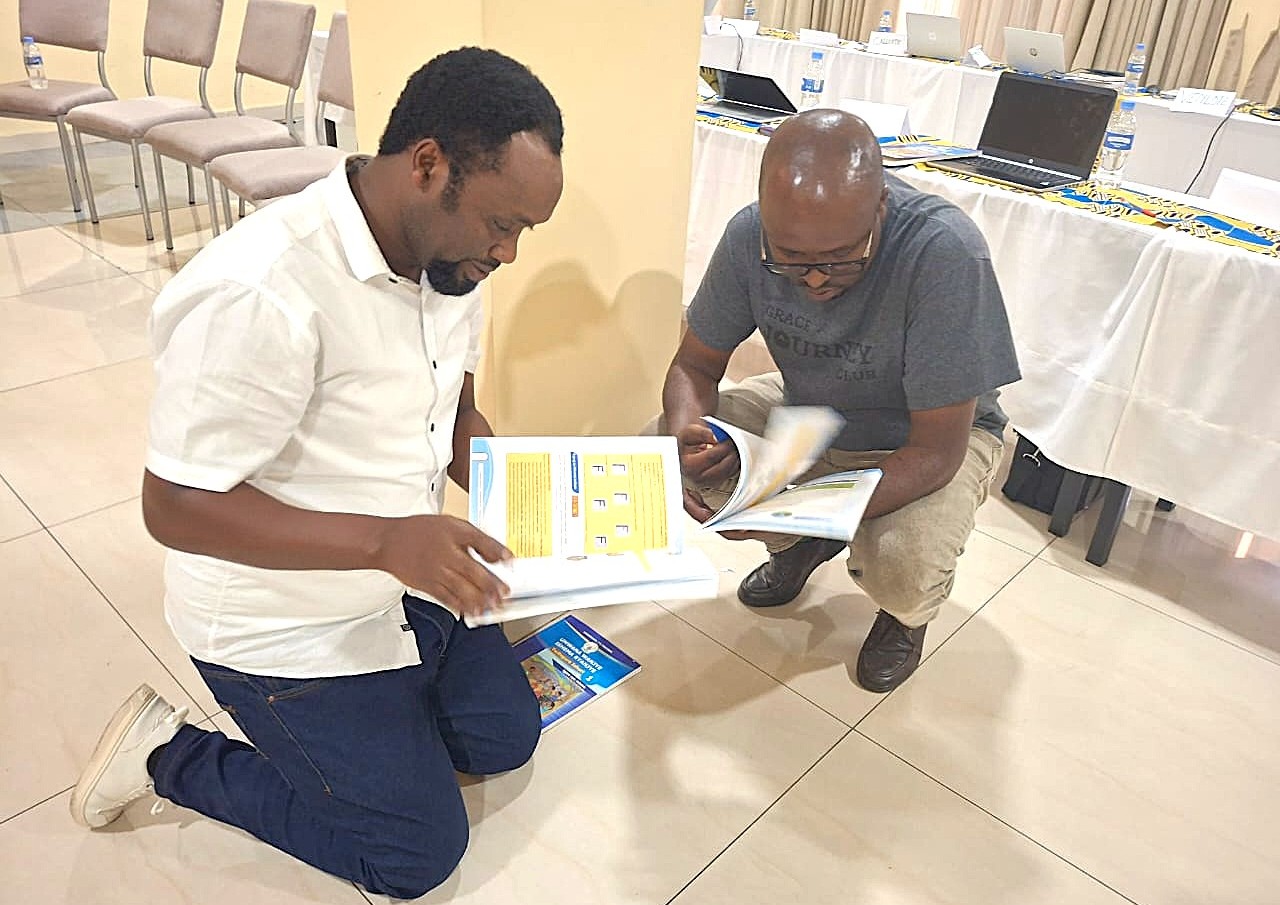
This training was initiated by Caritas Rwanda’s ECD Project, funded by Plan International Rwanda. The training focused on strengthening participants’ understanding and application of Twitegure Ishuri Volumes 2 and 3, the pre-primary Competence-Based Curriculum (CBC), teaching and learning strategies, pedagogical tools, daily ECD routines, and appropriate assessment approaches.

Using participatory methods, including group discussions, practical exercises, demonstrations, micro-teaching, brainstorming, and indoor and outdoor activities, the training enabled participants to connect theory with practical ECD implementation.

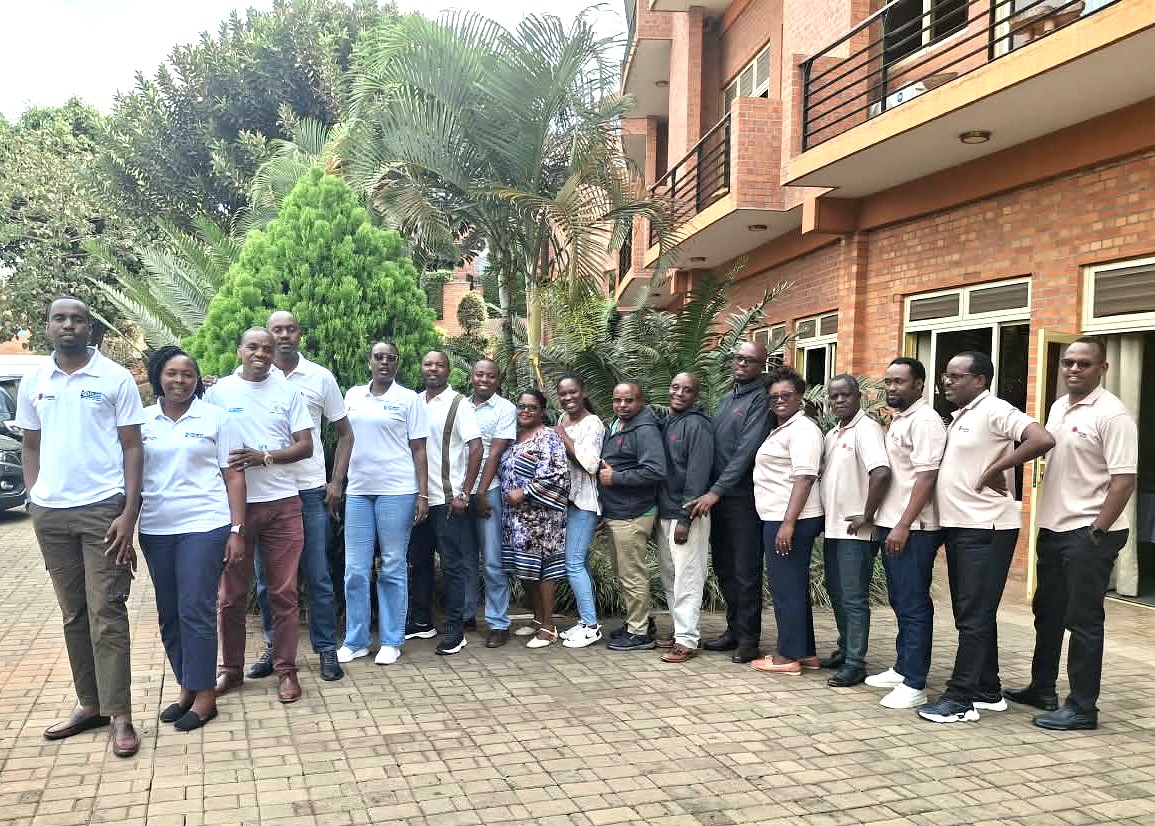
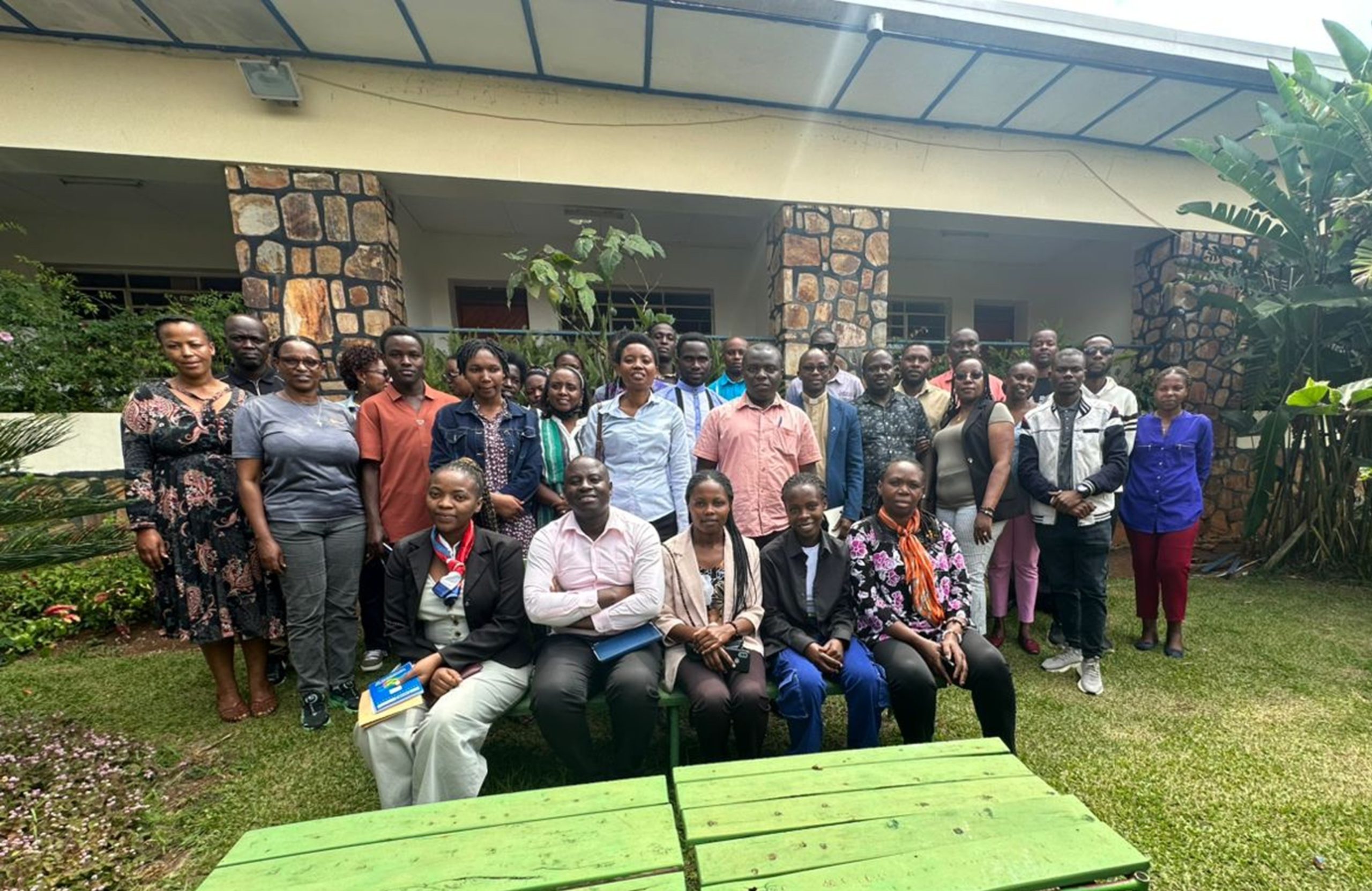
Group photo – the participants and their trainers.

The impact of the training was reflected in the assessment results. The average score increased from 9.3/15 (61.8%) before the training to 12.1/15 (80.4%) after the training, representing an improvement of nearly 30%. The lowest score also increased from 6/15 to 10/15, with one participant achieving a perfect score of 15/15.

By the end of the workshop, participants were better equipped to facilitate community-based ECD activities, understand the CBC and its key components, distinguish different pre-primary education tools, and apply ECD standards to support holistic child development.

Participants noted that five days were not sufficient to cover the CBC in depth, particularly as it was their first CBC-focused training. A refresher training is therefore recommended in the next quarter to consolidate the knowledge and skills gained during the workshop.

After the training, the staff began cascading their knowledge to caregivers in home-based ECD centres and the projects they work with, from 24 to 27 August 2026.

Cascading training on Pre-primary CBC to ECD caregivers in Rulindo (24 – 27 August 2026).
August 17, 2026

From 10th to 14th August 2026, the PEES Project organized a Training of Trainers on Reproductive Health, Gender and Safeguarding at the Incuti Pastoral Centre in Rusizi, bringing together teams from Caritas Rwanda and the Dioceses of Cyangugu and Gikongoro.

The training brought together 21 participants, including PEES Project Coordinators, Monitoring and Evaluation Officers, Moral Values Officers, accountants and Development Animators. During the three-day training, participants strengthened their knowledge and skills in reproductive health, gender and safeguarding.

The overall objective was to enable participants to better understand and prevent risks related to these areas, promote the rights and dignity of vulnerable people, and contribute to creating safe, inclusive and protective environments within the communities targeted by the programme.

The training also emphasized the role of community actors in raising awareness, providing support and protecting populations, particularly young people and vulnerable individuals.

During his visit to the participants, Monsignor Edouard Sinayobye, Bishop of the Diocese of Cyangugu, highlighted the importance of putting people at the centre of every development and solidarity action. “Helping a poor person is the greatest of gifts,” he stressed, while emphasizing the need to educate young people so that they can better understand their health and make responsible decisions.

Monsignor Edouard also emphasized that complementarity between men and women is a fundamental value for harmonious living and a balanced society.

He finally expressed his gratitude to SCCF for its support to the PEES Project, which contributes to supporting and strengthening the capacities of young people and communities.


July 17, 2026

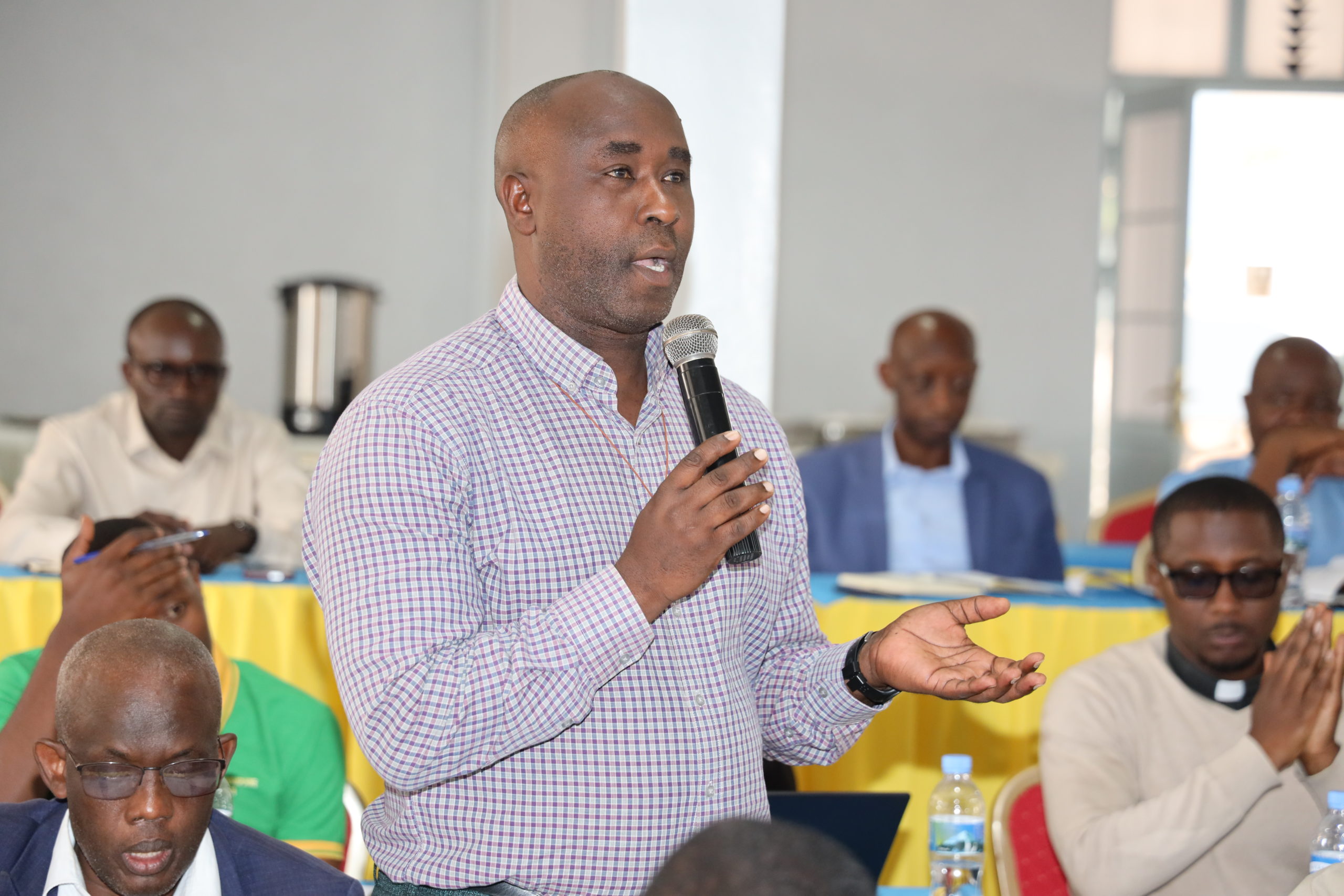
As preparations for the annual Charity Month continue, on 13th July 2026, Caritas Rwanda and representatives from all diocesan Caritas met in Huye to review past achievements, share successful experiences, and develop strategies to further strengthen community participation in this nationwide campaign of solidarity.

Opening the meeting, Fr. Oscar Kagimbura, Secretary General of Caritas Rwanda, reminded participants that the mission of Caritas goes beyond fundraising. “This meeting is an opportunity to remind ourselves of our responsibility as Caritas to put the Gospel into practice through concrete charity acts.” he said.

Fr. Kagimbura also reflected on Pope Francis’ document Dignitas Infinita, emphasizing that people living in poverty should not be viewed merely as beneficiaries of charitable assistance, but as partners in promoting human dignity and integral development.

Father Oscar Kagimbura, the Secretary General of Caritas Rwanda, delivering his opening remarks.

Sharing experiences that inspire growth

Participants reviewed the results of the Charity Month campaign since its introduction in 1998 before exchanging experiences on approaches that have successfully increased local contributions.

One of the most remarkable testimonies came from the Butare Diocese, which increased its collections by 241%, growing from Rwf 3 millions to Rwf 10 millions.

Among the parish success stories, Mugombwa Parish shared how recognizing and motivating volunteers through appreciation events has strengthened their commitment to mobilizing communities. The parish also begins awareness campaigns in schools before the summer holidays to maximize participation.

Participants also discussed challenges affecting some parishes, including poor agricultural harvests, competing financial priorities among Christians, and limited understanding of Caritas’ mission. They agreed that continuous awareness-raising is essential to help communities understand the importance of supporting Caritas Rwanda’s humanitarian and social mission.

The meeting further highlighted the need for greater participation from some religious congregations that have the capacity to make stronger contributions.

Father Francois Habimana, Mugombwa Parish priest, sharing the parish testimony.

Learning from diocesan Caritas best practices

Representatives from the Dioceses of Kabgayi, Gikongoro, Nyundo, and the Archdiocese of Kigali shared practical strategies that have contributed to improved campaign performance.

These included:

  • Organizing meetings with parish priests to strengthen ownership of the campaign;
  • Conducting charitable activities before fundraising to demonstrate Caritas’ mission in action;
  • Mobilizing traders and business communities;
  • Carrying out door-to-door awareness campaigns through Small Christian Communities;
  • Sending personalized appeals to major contributors;
  • Using volunteer teams to visit households and record contributions transparently;
  • Publicly communicating collection results to build trust and accountability.

These experiences demonstrated that community engagement, transparency, and strong leadership significantly contribute to successful fundraising.

Supporting people affected by disasters

Fr. Kagimbura also explained how the funds collected during Charity and Mercy Month are distributed.

One quarter of the collections remains at the parish level, while the remaining amount is shared between the diocesan Caritas and Caritas Rwanda. The resources are used to support people affected by natural disasters and other humanitarian emergencies both within Rwanda and, when needed, internationally.

A shared commitment to do more

Building on the success of last year’s campaign, which exceeded its target by achieving a 20 % increase in collections, participants agreed to set an even more ambitious goal for 2026 by increasing contributions by at least 25 % across all diocesan Caritas.

Closing the meeting, H.E. Bishop Jean Bosco Ntagungira, the guest of honor, pledged to actively support the Charity Month campaign, following the example already practiced in the Ruhengeri Diocese.

H.E. Jean Bosco Ntagungira, Bishop of Butare Diocese was the guest of honor.

Encouraging participants to remain committed, H.E. Bishop Jean Bosco said: “We know the challenges you face. But do not lose courage.” He reminded participants that everyone has something to share, regardless of their financial situation, because there is always someone in greater need. According to him, giving is not only an act of charity but also a way of recognizing the dignity of both the giver and the receiver.

The meeting concluded with several recommendations, including strengthening parish Caritas structures, improving reporting systems, increasing awareness campaigns before the fundraising period, providing continuous training for parish Caritas committees, involving Church leaders at every level, and enhancing staff engagement. Together, these actions are expected to further strengthen the Charity and Mercy Month campaign and expand Caritas Rwanda’s capacity to serve the most vulnerable.

June 30, 2026

As part of ongoing efforts to prevent new HIV infections among young people and reduce unintended teenage pregnancies, Caritas Rwanda organized a two-day training for teachers from June 25–26, 2026, in Huye District.

The training brought together 30 teachers from 15 boarding schools located in the districts of Huye, Nyanza, and Gisagara. It aimed to strengthen participants’ knowledge and skills on HIV prevention, the prevention of unintended pregnancies among adolescents, combating stigma and discrimination against people living with HIV, and supporting students in accessing appropriate health services through timely referrals to health facilities.

Throughout the training, participants discussed practical approaches to promoting healthy behaviors among adolescents, creating supportive school environments, and ensuring that students receive accurate information and guidance on sexual and reproductive health. Particular emphasis was placed on the important role teachers play in identifying vulnerable students and linking them to appropriate healthcare services when needed.

At the end of the training, participants committed to applying the knowledge and skills acquired by strengthening HIV prevention education through Anti-AIDS Clubs in their schools. They also pledged to promote early screening and identification of risks related to HIV infection, unintended pregnancies, and mental health challenges among adolescents and young people aged 10 to 24, ensuring timely support and referrals for those in need.

The training was organized by Caritas Rwanda in partnership with the Rwanda Biomedical Centre (RBC) and the district authorities of Huye, Nyanza, and Gisagara. The initiative reflects the partners’ shared commitment to promoting the health, wellbeing, and future of Rwanda’s young people through education, prevention, and access to quality health services.

At the end of the training (27 June), a football match was held between GS Saint Joseph and GS Saint François d’Assise. The match ended with a 1–0 victory for GS Saint Joseph.

GS Saint Joseph football club won the match with 1-0 score against GS Saint François d’Assise.

Before and during the match, participants received awareness messages encouraging them to make informed decisions, protect themselves from HIV infection, and avoid behaviours that can lead to unintended pregnancies.

June 22, 2026

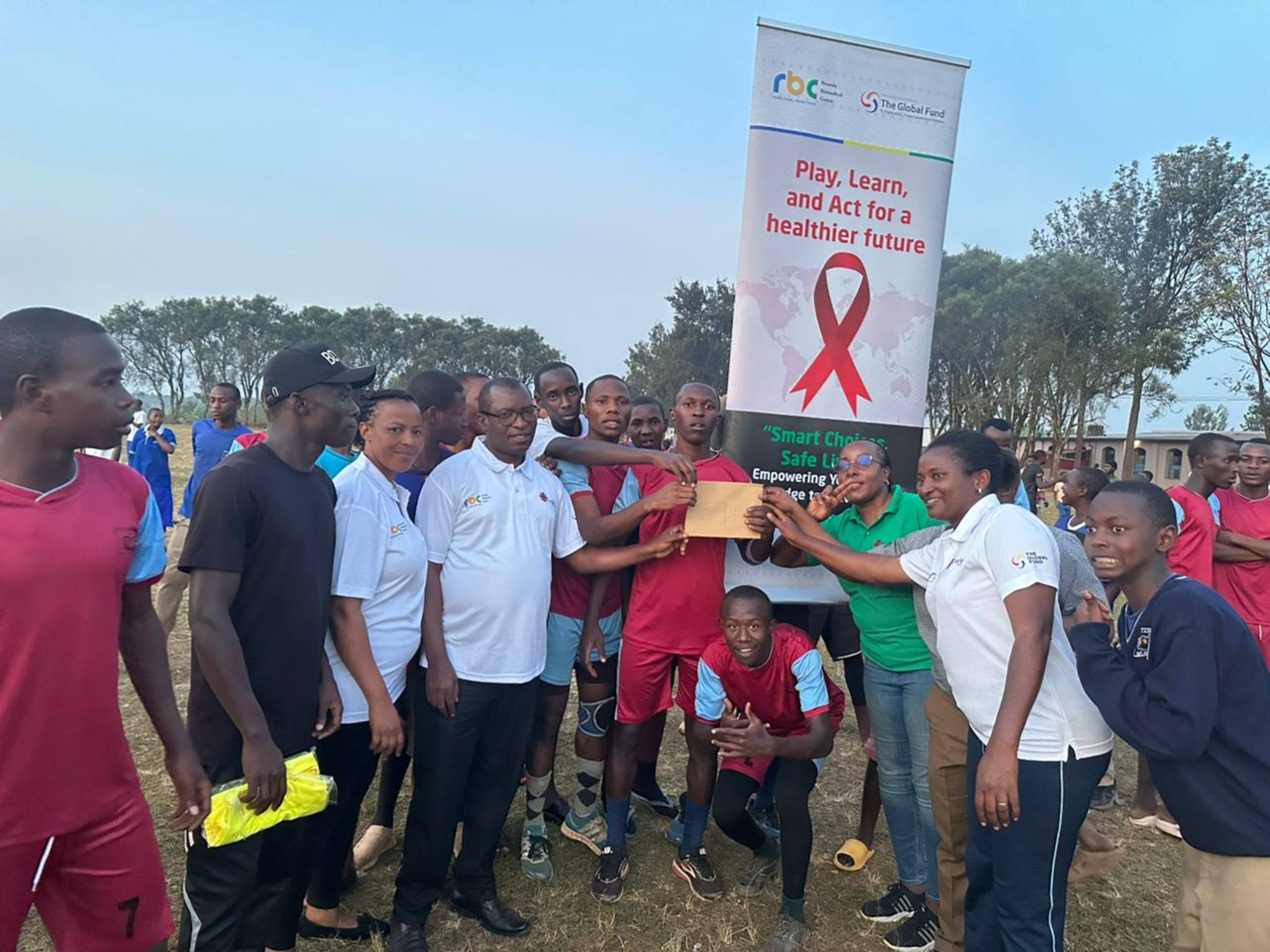
Caritas Rwanda, in partnership with Nyanza District, organized a youth awareness campaign on June 21, 2026, aimed at preventing new HIV infections and reducing teenage pregnancies. The initiative is part of ongoing efforts to support the Ministry of Health, through the Rwanda Biomedical Centre (RBC), with funding from the Global Fund to Fight AIDS, Tuberculosis and Malaria.

The campaign used football as a platform to engage young people and deliver key health messages. The match brought together students from ESCLM Louis de Montfort and ES Saint Esprit, which ended with a 2–1 victory for ESCLM Louis de Montfort over ES Saint Esprit. This event was attended by students from various schools across Nyanza District, district officials, including representatives responsible for health and education.

Before and during the match, participants received sensitization messages encouraging them to make informed decisions, protect themselves from HIV infection, and avoid behaviors that can lead to unintended pregnancies.

Building on the success of the Nyanza event, Caritas Rwanda will continue the awareness campaign in the week starting by June 22, in Huye and Gisagara districts, where the project is also being implemented.

June 19, 2026

Caritas Rwanda, in partnership with Plan International Rwanda, successfully convened validation meetings in the districts of Gatsibo (16/06), Bugesera (17/06), and Nyaruguru (18/06), to review and validate the findings of the ECD Project Impact Assessment covering the implementation period from 2022 to 2025.

The meetings brought together district authorities, representatives from the National Child Development Agency (NCDA), development partners, ECD practitioners, project staff, caregivers, and community representatives. The objective was to reflect on the project’s achievements, discuss lessons learned, and identify priorities for strengthening Early Childhood Development services in the target districts.

Speaking at the validation meetings, Christine Kayitesi, ECD Project Coordinator, noted that the assessment was undertaken to evaluate the impact of the ECD Project after three years of implementation. Specifically, it sought to determine the extent to which the project had contributed to children’s development, strengthened caregivers’ capacities, and aligned with Rwanda’s National Strategy for Transformation (NST2). She emphasized that the findings would help the project and stakeholders sustain the gains achieved while addressing identified gaps to maximize future impact.


Significant progress across ECD pillars

The impact assessment findings demonstrate the positive contribution of Home-Based ECDs to children’s holistic development across the three districts.

Gatsibo and Bugesera recorded exceptional performance in curriculum and school readiness, nutrition, and caregiver quality, achieving scores of 100 % in several indicators. Nyaruguru also demonstrated strong results, particularly in caregiver quality and parenting education (100 %), nutrition (93.3 %), and health (83.3 %).

Across all districts, the assessment confirmed improvements in parenting practices, child nutrition, health-seeking behaviours, community participation, and the quality of care provided to young children. Increased engagement of parents, including fathers, emerged as one of the project’s notable achievements.

The findings further show that project-supported HBECDs performed above national averages across most ECD pillars, highlighting the effectiveness of community-based approaches in promoting child wellbeing and development. Hereafter the details on the following infographic:

Priorities for Sustaining Impact

While acknowledging the project’s achievements, stakeholders identified key areas requiring continued investment to sustain and build upon the gains achieved.

Recommendations from the assessment include establishing a child outcome tracking system, strengthening caregiver support and retention mechanisms, increasing community financing through Village Savings and Loan Associations (VSLAs), upgrading caregiver qualifications in line with NCDA standards, and improving WASH and child protection infrastructure.

Participants also emphasized the importance of institutionalizing fathers’ clubs and expanding male engagement approaches to strengthen shared responsibility for child development.

During the meetings, local leaders requested that the assessment report be shared with them once finalized, so that its findings and recommendations can inform their efforts to promote Early Child Development.

From left to right: RURANGIRWA Fred, executive secretary of the Kamabuye sector; Kadafi Aimable, executive secretary of the Kamabuye sector; and Ruth Kemirembe, director of health for the Bugesera District, during the validation meeting held in Bugesera District.

Implemented by Caritas Rwanda with support from Plan International Rwanda, the ECD Project aimed to improve the wellbeing and holistic development of young children through Home-Based Early Childhood Development (HBECD). The project focuses on the six pillars of ECD: (1) early learning and school readiness, (2) health, (3) nutrition, (4) child protection and inclusiveness, (5) water, sanitation and hygiene (WASH), and (6) parenting education.

June 8, 2026

On 4 and 5 June 2026, Caritas Rwanda staff and nine service providers gathered at the Savana Hotel to review the achievements of the first five months of the PATHs Project (Livelihoods & Adult Education).

The review confirmed that all planned activities were successfully implemented. Participants also developed a three-month action plan aligned with the evolving needs of evacuees and host communities.

Beginning this June, Caritas Rwanda will continue existing skills-training programs while introducing new vocational courses in Welding, Plumbing, Culinary Arts, and Machine Knitting at ETM Gashora.

Caritas Rwanda staff and service providers during the meeting at Savana Centre.

As an innovative initiative, 12 high-performing participants from Cohort I, comprising both evacuees and host community members who completed Hairdressing and Tailoring training, have been selected to receive support in launching Income-Generating Activities (IGAs). This support will enable them to put their newly acquired skills into practice, strengthen self-reliance, and improve their livelihoods while awaiting resettlement.

These small businesses will not only empower the selected participants but also serve as a source of inspiration and motivation for others to pursue economic independence and resilience.

June 1, 2026

Caritas Rwanda, in collaboration with the Nyamasheke, Karongi, and Rutsiro districts, on May 30, 2026 conducted malaria prevention activities in the sectors most affected by malaria namely Nyabitekeri, Mubuga, and Musasa.

In Nyabitekeri Sector, Muyange Cell, Nyamasheke District, a community awareness campaign was organized through health messages, drama, and poems performed by Community Health Workers. Residents were reminded of key malaria prevention measures and encouraged to seek early and appropriate treatment when experiencing symptoms. During the event, 11 people with high fever were tested for malaria, and one person who tested positive received immediate treatment on site. This activity was carried out in collaboration with local authorities from the district (from village to district level), as well as security organs.

Community health workers presented plays and recited poems containing messages about fighting malaria.

A special community work activity (Umuganda) aimed at malaria prevention was also conducted in Rubyiro Village, Murangara Cell, Mubuga Sector, Karongi District. During the activity, nine large water-filled pits that had previously been used for brick making were filled in, to eliminate mosquito breeding sites.

Similarly, a community work activity was organized in Kabuga Village, Nyarubuye Cell, Musasa Sector, Rutsiro District, where 12 large water-filled pits left behind by mining activities were filled in to prevent mosquito breeding.

Following the Umuganda activities, community members were sensitized on malaria prevention measures and reminded not to become complacent simply because their homes had been sprayed with insecticide to control mosquitoes that transmit malaria. The event was attended by representatives from security organs, sector, cell, and village authorities.

These activities reflect the continued commitment of Caritas Rwanda and local authorities to reducing malaria transmission and promoting healthier communities through prevention, early diagnosis, and collective action.