

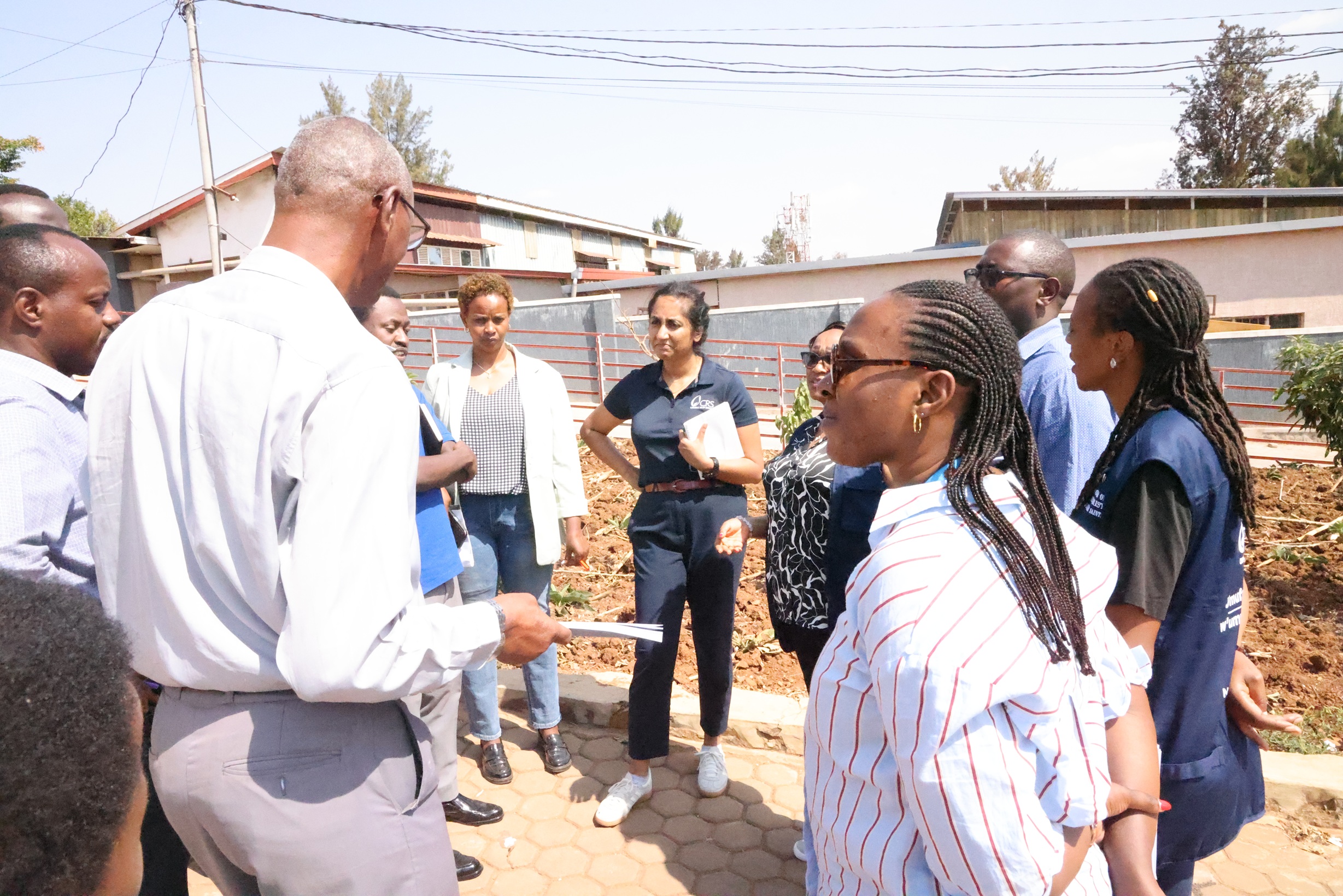
Caritas Rwanda, CRS and government partners conducted joint monitoring visits in Rulindo, Nyarugenge and Kayonza to assess STRONGER Project interventions supporting adolescent nutrition. The visits highlighted progress, good practices and the importance of collaboration, quality documentation and evidence-based action.
Catholic Relief Services (CRS), Caritas Rwanda and government partners, including the Ministry of Local Government, Ministry of Education, National Child Development Agency (NCDA) and Rwanda Biomedical Centre (RBC), conducted joint monitoring visits on 9th and 10th September 2026, to assess the implementation of interventions under the STRONGER Project supporting adolescent girls and young women.
The monitoring visits took place in Rulindo, Nyarugenge and Kayonza Districts, with the team visiting Shyorongi Health Center and Groupe Scolaire Shyorongi Impanganzi in Rulindo; Groupe Scolaire Saint Michel Indahangarwa in Nyarugenge; and Groupe Scolaire Gishanda and Cyarubare Health Center in Kayonza.
Linking schools and health facilities to improve adolescent nutrition
Among the key interventions implemented by the STRONGER Project is strengthening the link between health facilities and schools to ensure that adolescent girls receive appropriate nutrition support.
Through this collaboration, adolescent girls are assessed to determine their nutritional status. Those identified as experiencing malnutrition or other nutrition-related challenges are referred for appropriate support and follow-up to help them improve their nutritional wellbeing.
The project also supports schools with hygiene supplies for Girls’ Rooms, complementing the supplies provided by the Government. These rooms provide adolescent girls with a safe and supportive space where they can manage their menstrual hygiene, particularly when their periods begin unexpectedly while they are at school.
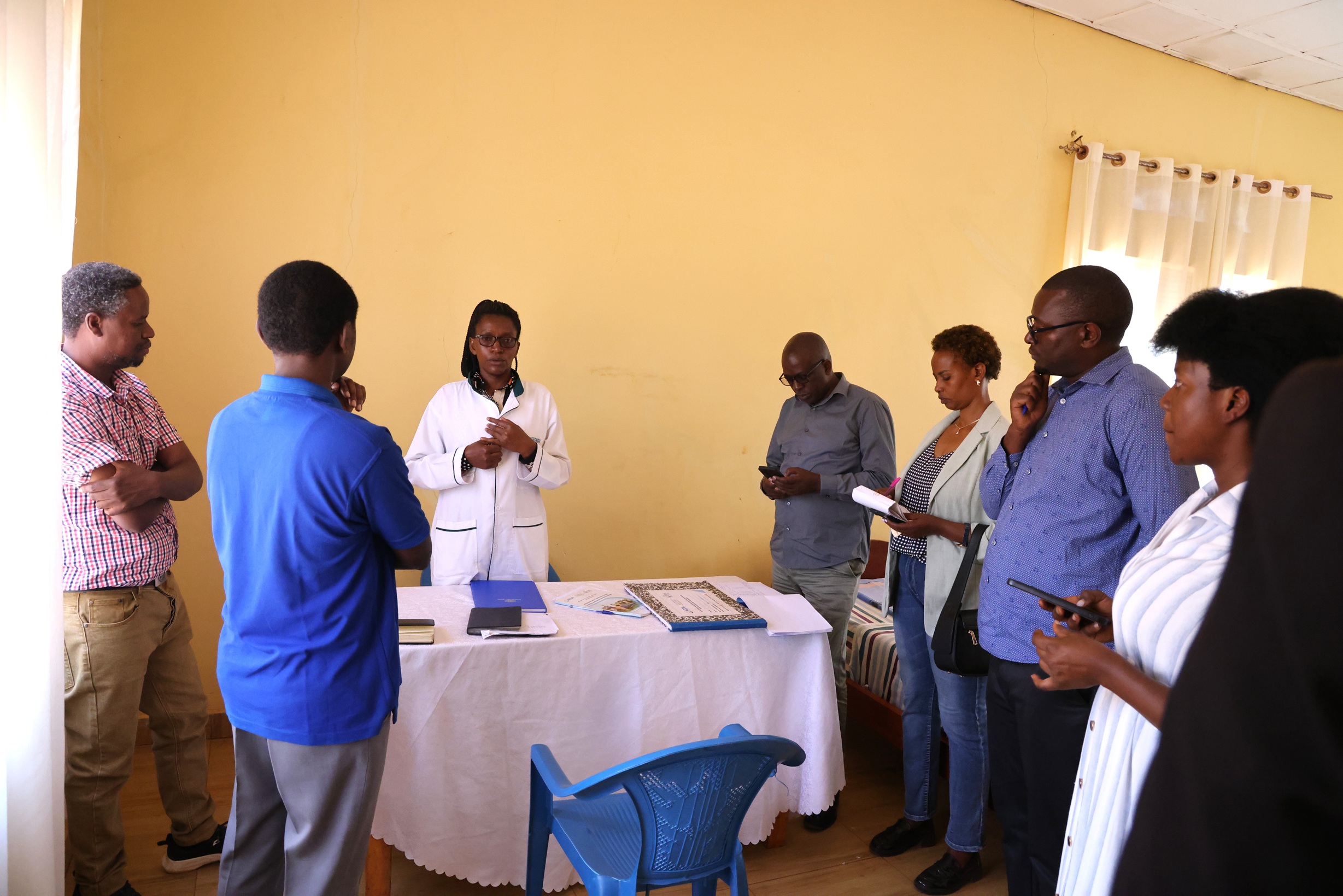
During the monitoring visits, the team observed how Girls’ Rooms are being used by students. Depending on their needs, girls can wash themselves, change sanitary pads and clothing, when necessary, receive pain-relief tablets if available, and rest for a short period before returning to class.
The monitoring team also reviewed the records kept in Girls’ Rooms to assess whether information on students receiving services was properly documented.
Promoting healthy food environments at school
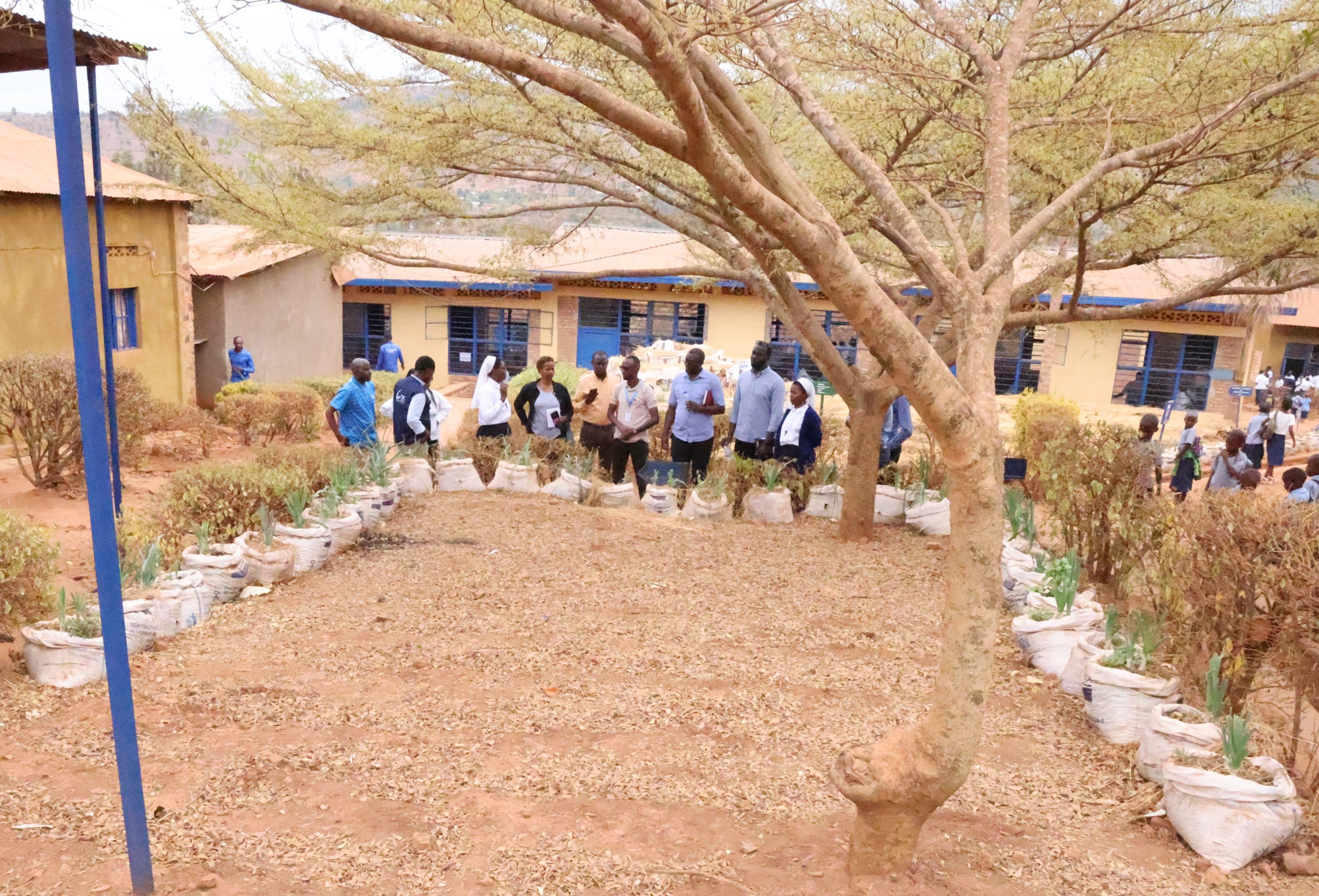
The STRONGER Project also provides schools with vegetable seeds and fruit tree seedlings to support school gardening and promote access to nutritious foods. Schools plant and care for the vegetables and fruit trees, contributing to a healthier food environment for students and providing practical opportunities to promote nutrition.
At health facilities, the monitoring team reviewed how nutritional assessments of girls attending schools and those reached through community platforms were recorded. Proper documentation of these assessments is important for tracking the nutritional status of adolescent girls and ensuring that those who need support can be appropriately followed up.
Learning from implementation
The joint monitoring visits provided an opportunity for partners to review progress, exchange good practices, identify implementation gaps and agree on actions to improve the quality and sustainability of nutrition interventions.
Partners commended the relevance of the STRONGER Project interventions in supporting adolescent girls and young women. They also highlighted the importance of strengthening documentation of all students receiving services through Girls’ Rooms, particularly to ensure that every girl who receives support is properly recorded.
The lessons and recommendations from the visits will guide partners in strengthening implementation, improving documentation and ensuring that adolescent girls and young women continue to receive quality, responsive and evidence-based nutrition support.