
January 9, 2026

In Gatsibo District, increased male involvement in Early Childhood Development (ECD) has significantly improved children’s wellbeing and family relationships. Through the “Papa Rumuri” initiative, implemented by Caritas Rwanda under the ECD Project with support from Plan International Rwanda, fathers are now playing an active role in childcare, both at home-based ECD (HBECDs) and within their households.

Traditionally, childcare responsibilities have largely been considered the role of women, despite repeated awareness campaigns highlighting the importance of shared parenting. This imbalance often resulted in children missing out on essential services such as ECD attendance, proper nutrition, and emotional support, factors critical to healthy child development.

To address this gap, Caritas Rwanda introduced the Papa Rumuri program in 2022 across its supported HBECDs. The initiative aims to strengthen fathers’ participation in childcare while also responding to practical challenges such as shortages of firewood and water used in meal preparation at HBECDs. More importantly, it seeks to ensure that children benefit from the care and guidance of both parents.

Under the program, each village selects ten Papa Rumuri role models, and every HBECDs has at least one male representative. These men receive training on positive parenting, child development, and their specific role in supporting ECD services. They then cascade on this knowledge to other fathers in their communities, creating a ripple effect of behavioural change.

Parents in Gatsibo report that the initiative has helped children feel more secure and valued within a complete family environment. The lessons learned through Papa Rumuri extend beyond HBECDs into households, where improved cooperation between husbands and wives has strengthened family unity and economic progress.

Jean Bosco Ndagiwenimana, a father of four from Kabarore Sector, describes how his mindset has changed since becoming a Papa Rumuri. Previously, he believed that his responsibility ended with providing financially. Today, he regularly visits HBECDs, talks and plays with children, and supports household chores when his wife is busy.

“Sometimes I go to the HBECD and play with the children. They are very happy to see a man playing with them and encouraging them. It is important because raising a child should not be the responsibility of the mother alone. When my wife is busy, I support her with household work and childcare, and this has helped our family progress in ways we never experienced before,” he explains.

Antoinette Yankurije, a mother of two from Rwimbogo Sector, emphasizes the value of male participation at HBECD. Fathers now help fetch water, collect firewood, bring children to the HBECDs, and attend parenting sessions, contributions that strengthen collaboration between parents and improve family life at home.

The positive impact of the program is also observed at the institutional level. Christine Kayitesi, ECD Project Coordinator at Caritas Rwanda, notes that tangible changes have occurred since the introduction of Papa Rumuri.

“We see clear results. Women tell us that childcare is no longer their responsibility alone. Fathers now bring children to HBECDs and pick them up when mothers are unavailable. In the past, a child would miss ECD sessions even when the father was at home. Today, that no longer happens,” she says.

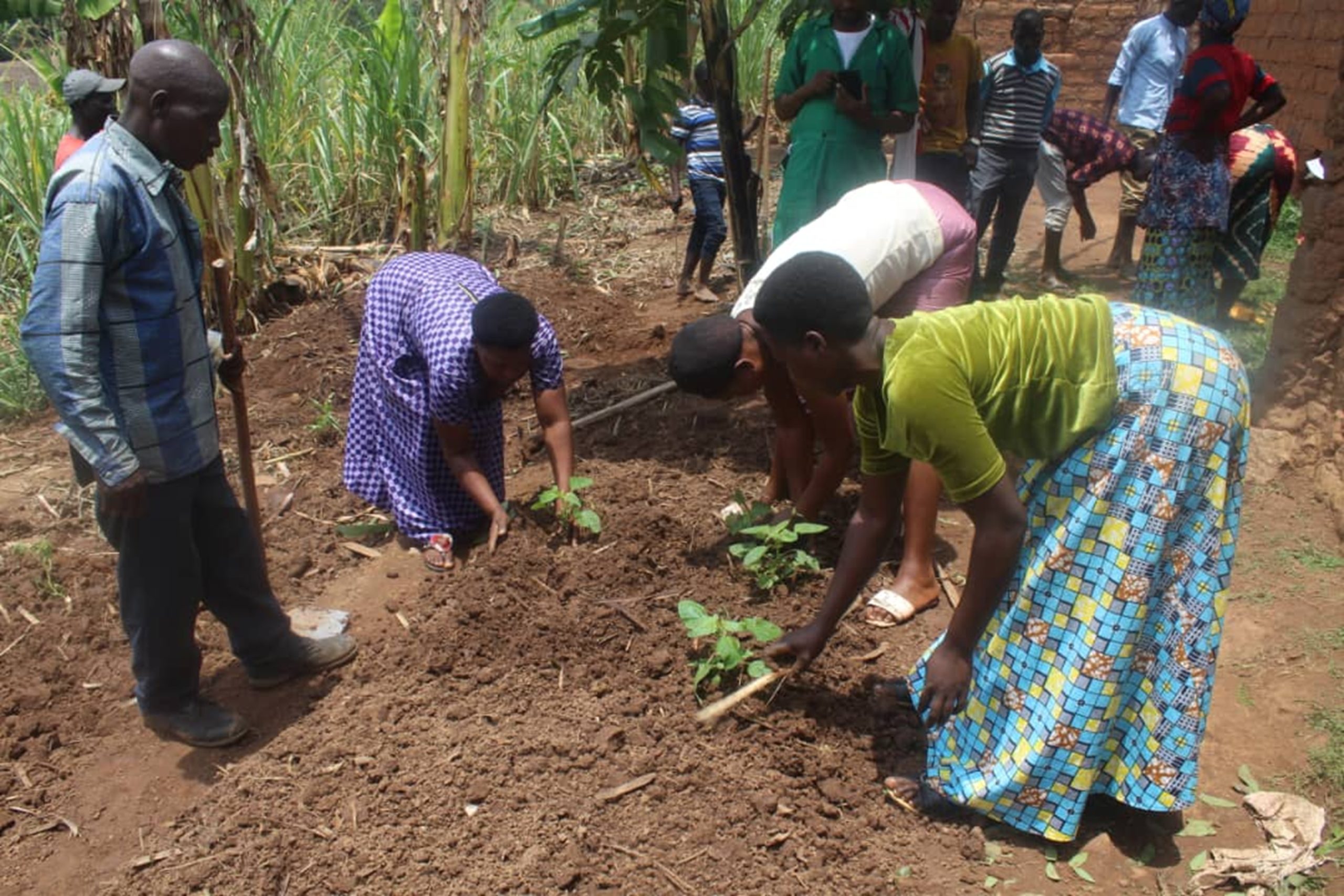
Men are also actively involved in establishing kitchen gardens at HBECDs and supporting logistics such as water and firewood supply, tasks that further strengthen service delivery and sustainability.

Men are involved in establishing kitchen gardens at HBECDs.

According to Jean Claude Habiyaremye, Director of Health in Gatsibo District, the Papa Rumuri initiative demonstrates the long-term value of educating fathers on childcare responsibilities.

“What we have observed is very encouraging. When men and women work together in ECDs, children receive better care, attendance improves, and families use their own resources to support the ECDs. Even if Caritas Rwanda were to withdraw, this collaboration would continue because parents now understand its importance,” he explains.

Currently, in Gatsibo District, Caritas Rwanda supports 59 HBECDs, serving 1,239 young children, with the involvement of over 130 Papa Rumuri role models across 10 cells. The initiative is also implemented in Bugesera and Nyaruguru districts, ensuring that male engagement remains a core pillar of the ECD Project.

Through Papa Rumuri, fathers are redefining their role, not only as providers, but as caregivers, role models, and partners in nurturing children’s growth and development.

January 8, 2026

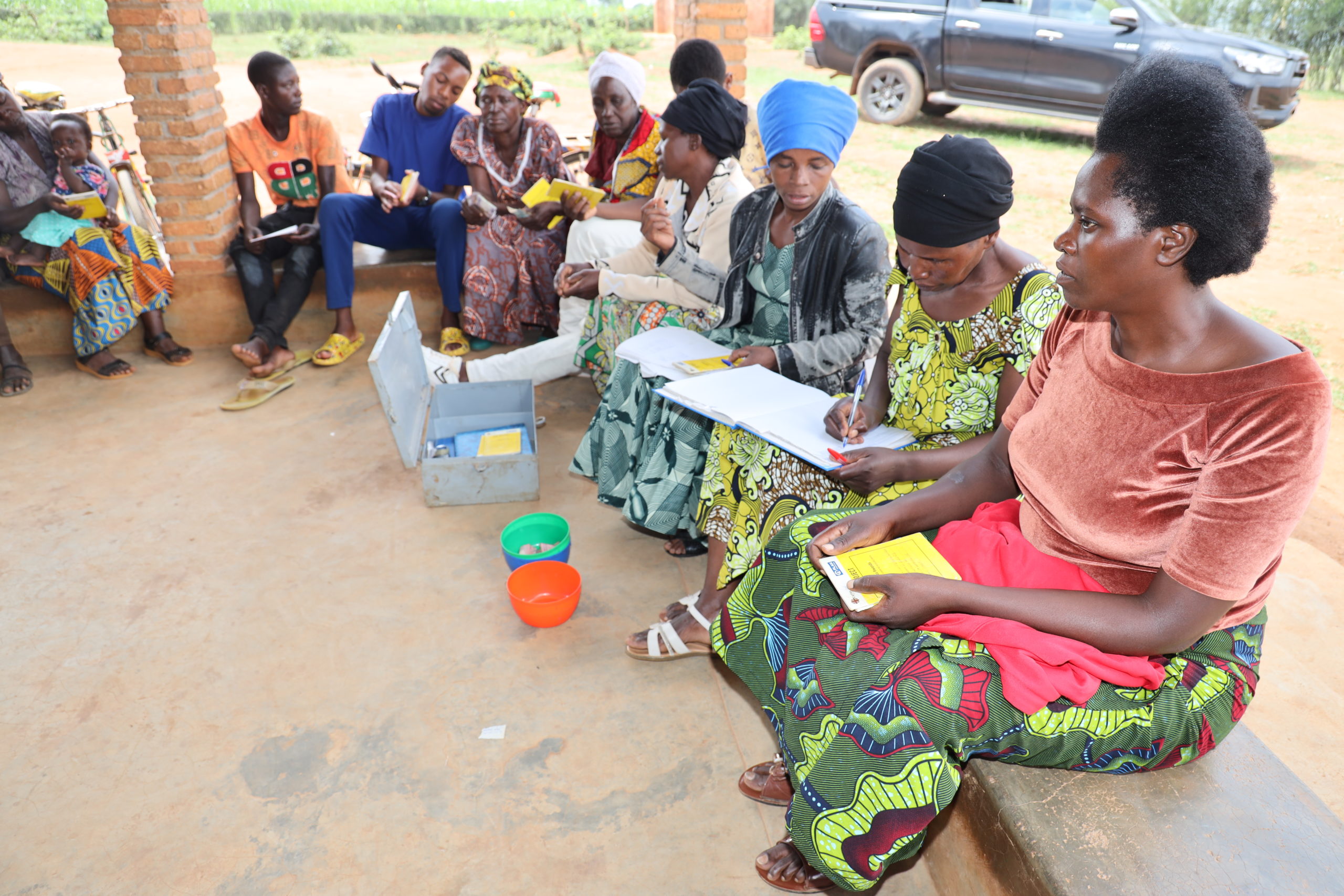
Savings and Internal Lending Community groups (SILC groups) supported by Caritas Rwanda in partnership with Plan International Rwanda through the ECD Project are playing a vital role in improving the livelihoods of parents whose children attend home-based Early Childhood Development (HBECD), particularly in Bugesera District. Their testimonies show that the improved savings groups have strengthened their economic resilience while also helping them to provide for their children’s needs.

Parents explain that, through these groups, they are now able to meet essential needs for ECD, including buying uniforms, purchasing porridge flour when donated flour run out, and providing nutritious food products. Beyond supporting children at the HBECD, the increased household income ensures that children continue to receive a balanced diet and proper care even at home.

Penina Musabyimana, the manager of “Kura Ujye Ejuru” ECD located in Cyogamuyaga village, Tunda cell, Kamabuye sector in Bugesera District. Like many parents involved in ECD Project-supported HBECDs, she belongs to a saving group called “Duharanire Isuku”, which has 30 members. Each member saves between Rwf 200 and Rwf 650 per week, and a solidarity contribution of RWF 50.

Thanks to loans accessed through the group, Penina was able to construct a storage room next to her house and renovate her home by cementing the floors, using a Rwf 60,000 loan taken in two phases. Fellow group members also supported her by providing community works to make bricks, demonstrating the strong spirit of solidarity within the group.

Another beneficiary, Gahunga Emmanuel, is a member of the “Twite ku Bibondo” saving group in Tunda village, Tunda cell, Kamabuye sector in Bugesera District. The group was established in 2014, initially saving Rwf 200 per member, and later adopted the improved savings model in collaboration with Caritas Rwanda in 2022 and Plan International Rwanda. Gahunga highlights a system known as “targeted lending,” in his group, which ensures that loans are used strictly for their intended purpose through follow-up and accountability.

This approach has helped him pay secondary school fees for his children, one of whom is now attending university. He recently borrowed Rwf 100,000 and plans to take another loan to further invest in agriculture and livestock farming after completing repayment.

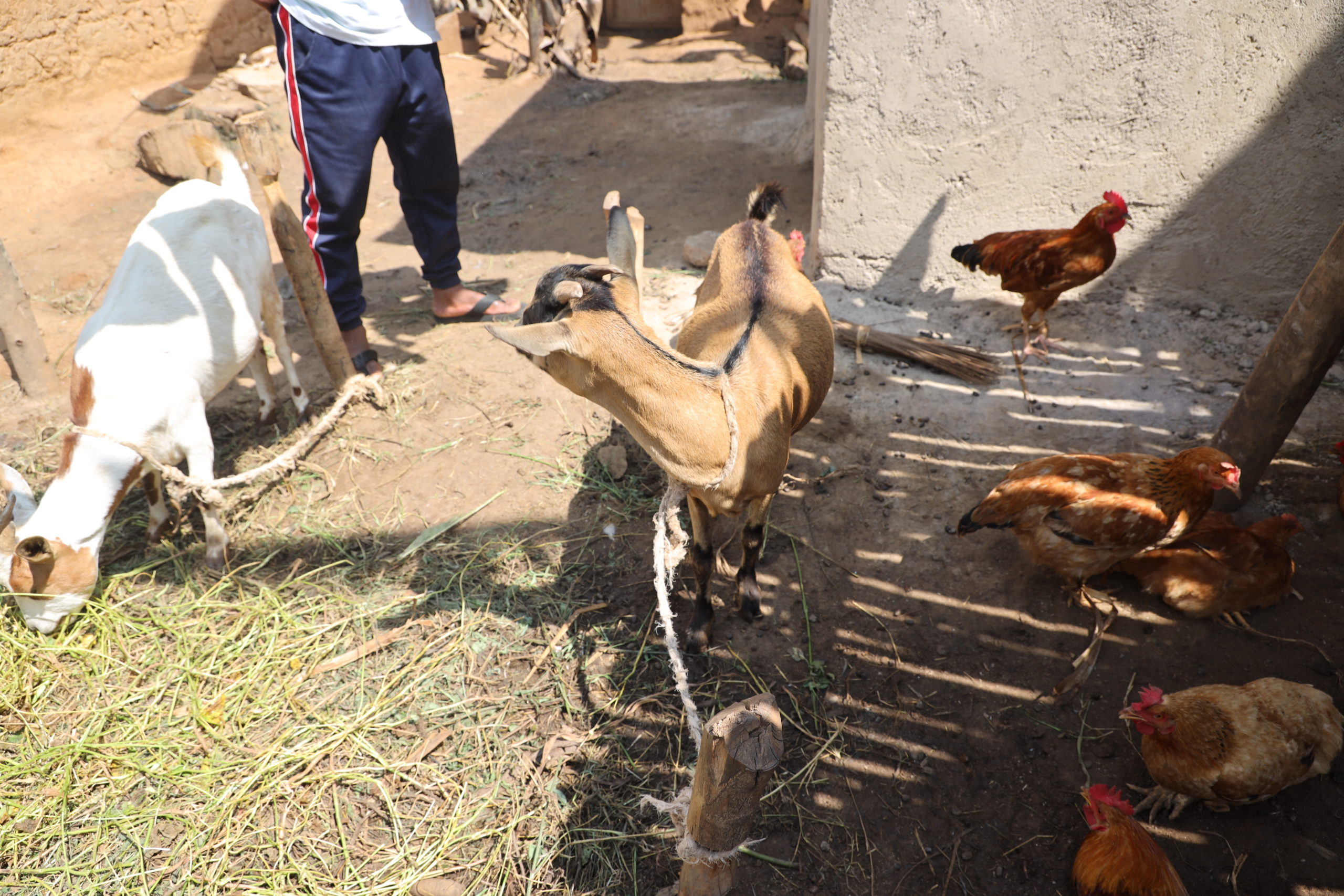
Similarly, Nyirankundiye Josée, also a member of “Twite ku Bibondo,” shares how the savings group transformed her life. She first borrowed Rwf 60,000 to buy goats, enabling her to pay school fees for her children. Later, she accessed Rwf 147,000 to purchase additional goats and chickens, increasing her household assets. Inspired by the results, she launched a banana-juice business, earning about Rwf 40,000 per month, and plans to take another loan to expand her activities.

Abadahigwa” saving group has invested in livestock for group members.

Beyond individual progress, the SILC groups also pursue collective goals. The “Abadahigwa” saving group in Ngeruka sector (Bugesera District) focuses on improving nutrition, housing, and hygiene. According to its leader, Habineza Emmanuel, the group distributed three chickens to each member during profit-sharing, helping families access eggs to combat child malnutrition. Members also took loans to replace grass bedding with mattresses under the initiative “Duce Nyakatsi mu Buriri,” ensuring all households now sleep in dignity.

For the 2025-2026 saving cycle, the group aims to improve household hygiene by encouraging members to purchase water containers for safe drinking water.

The ECD Project, implemented in Bugesera, Nyaruguru, and Gatsibo districts, currently supports 29 HBECD in Bugesera, with 13 in Kamabuye sector and 16 in Ngeruka sector. In each HBECD, parents are organized into savings and lending groups, ensuring that economic empowerment goes hand in hand with child development.

Through these improved savings groups, families are not only lifting themselves out of poverty but are also creating a healthier, more supportive environment for children to grow and thrive.

January 7, 2026

Parents in Nyaruguru District, Southern Province of Rwanda, whose children attend Home-Based Early Childhood Development (HBECD) supported by Caritas Rwanda in partnership with Plan International Rwanda, say the support provided has significantly improved the quality of care and learning for young children, making these HBECD a model to follow.

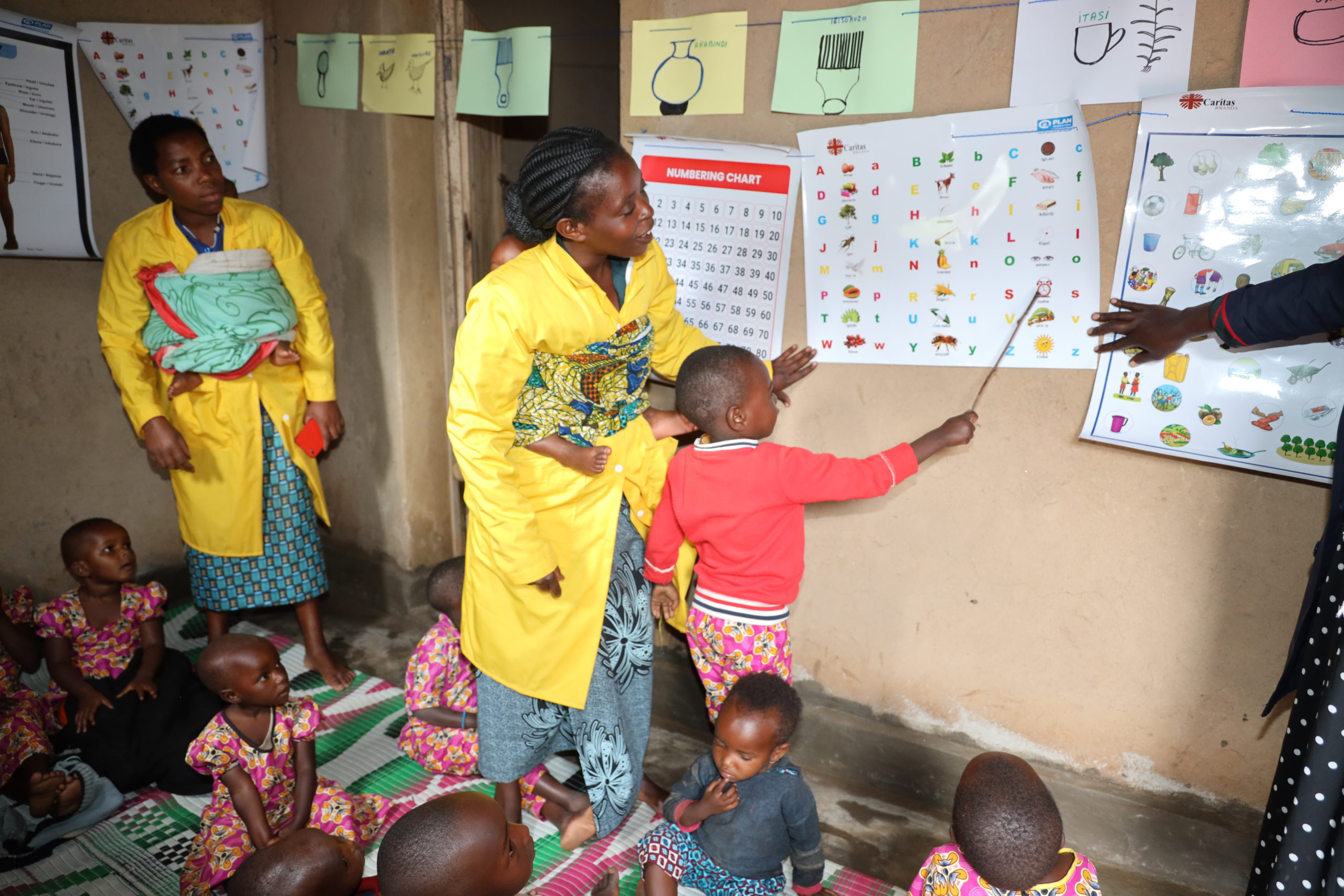
Through this partnership, Caritas Rwanda delivers comprehensive support to HBECD, including the improvement of learning environments, provision of learning materials for children and caregivers, hygiene supplies, and early literacy tools. Caregivers and parents are also trained in childcare, nutrition, hygiene practices, and how to make learning toys using locally available materials.

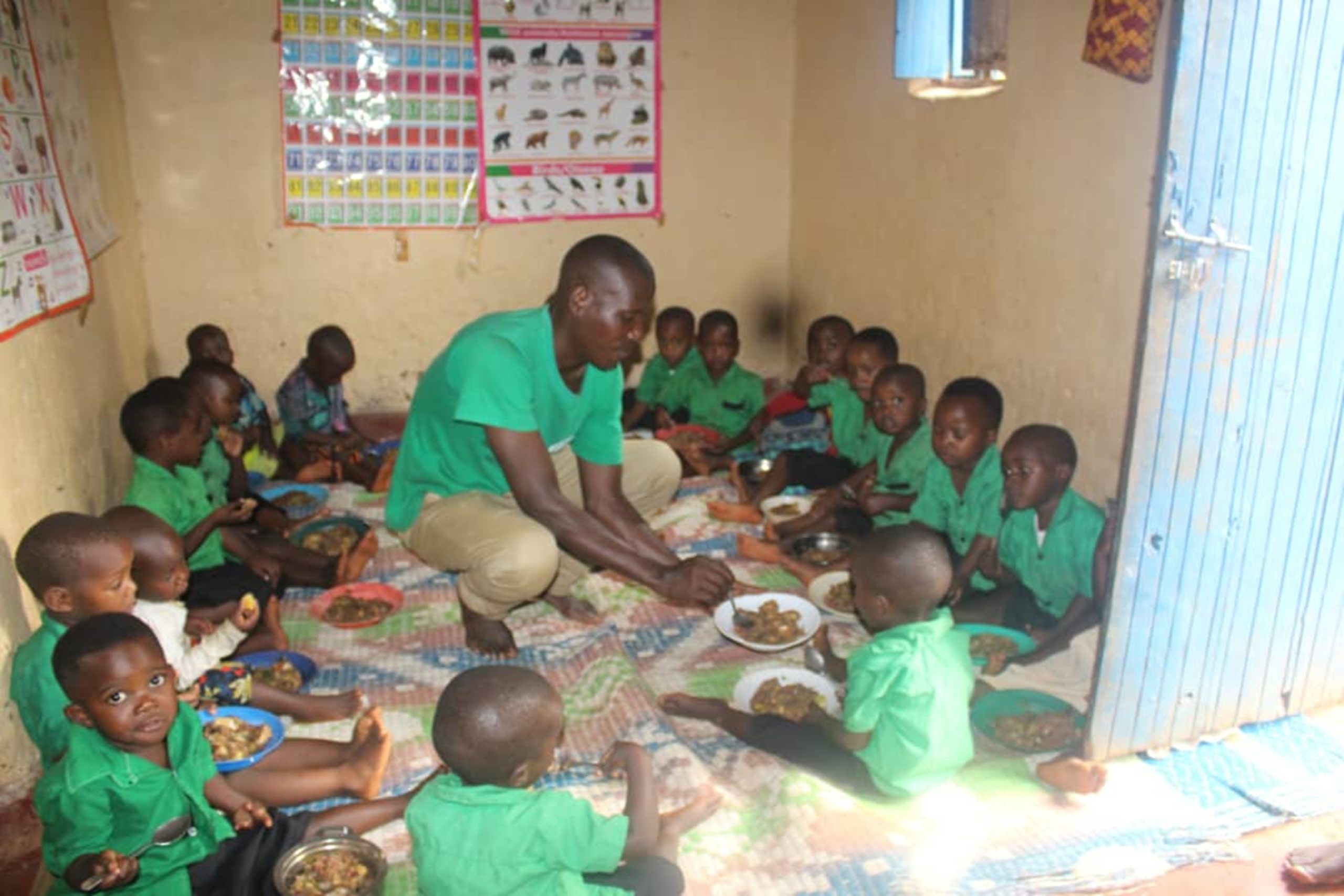
Beyond training, the HBECD receive fortified porridge flour, cooking and feeding utensils such as saucepans, cups, and plates, water tanks and drinking water filters, mattresses and mats for children, and small incentives for caregivers and parents who look after children on daily basis. These ECDs operate within community homes (HBECDs), where families voluntarily host children, creating a safe and nurturing environment.

Mukahigiro Beatha, a caregiver at Kurujyejuru HBECD in Giheta Cell, Munini Sector, says the training has transformed how children grow and learn. She explains that children now receive balanced diets, including vegetables, which has helped eliminate cases of malnutrition. She also highlights how homemade toys stimulate children’s thinking skills, adding that the HBECD has become a reference point in the community.

Marthe Muhimpundu, another caregiver at Kurujyejuru B, notes that although children may initially struggle to adapt, training has equipped caregivers with skills to help children socialize, play, and feel comfortable. She emphasizes that children who attend HBECD develop better cognitive skills, learn to count up to ten, recognize shapes, and integrate easily into nursery school.

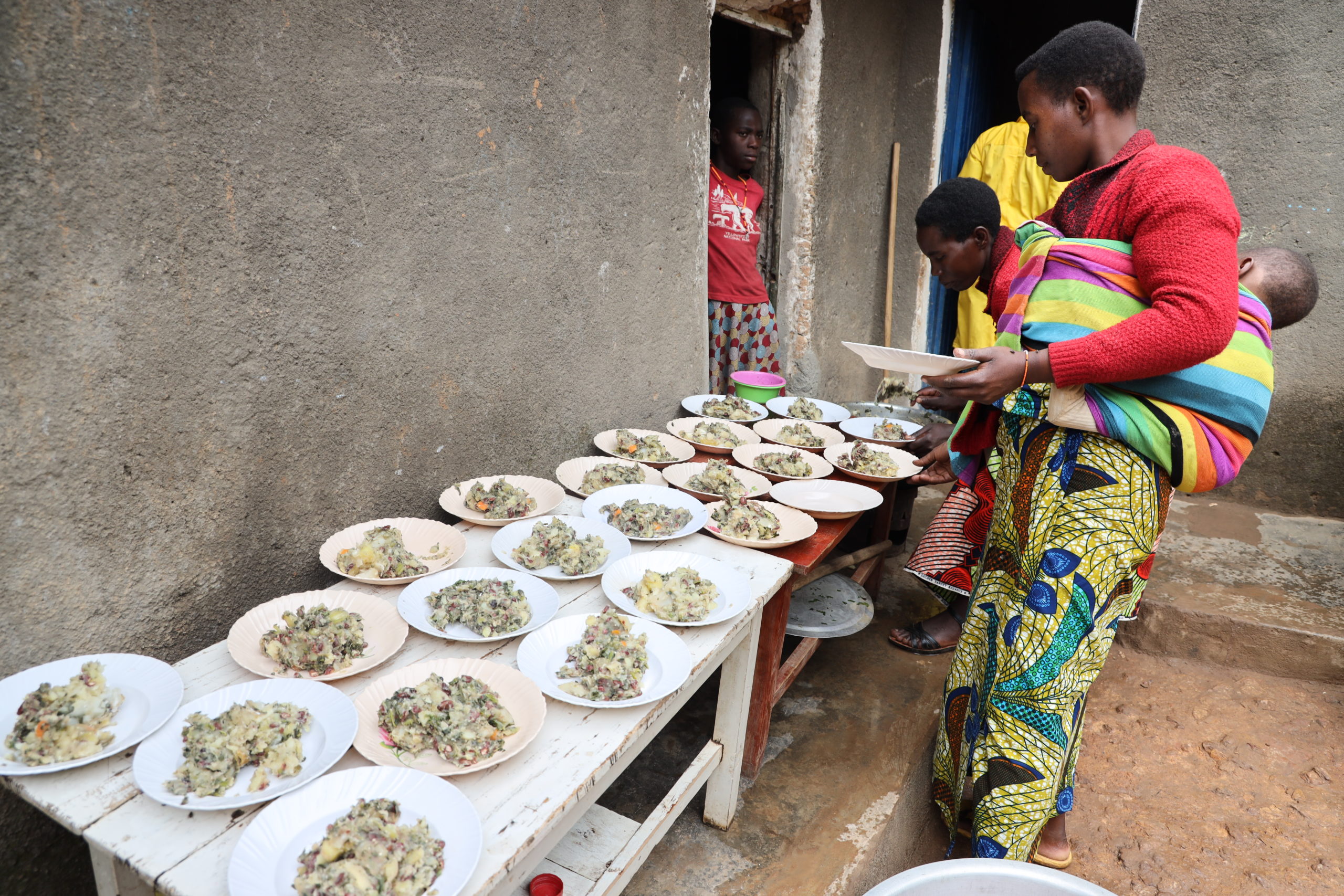
In HBECDs supported by the ECD Project, parents help caregivers prepare nutritious meals for children.

Male involvement has also increased. Ndatsikira Innocent, a trained male caregiver at Inyange ECD in Munini Sector, says the training helped him overcome the belief that childcare is only for women. He now confidently feeds, cleans, and cares for children both at home and at the HBECD, encouraging other men to actively participate in raising children.

For parents like Akimana Angelique, a tailor, HBECD provide peace of mind and economic opportunity. “Knowing my child is safe allows me to focus on my work and increase productivity, something that would be difficult if I stayed home caring for my child”, says Angelique.

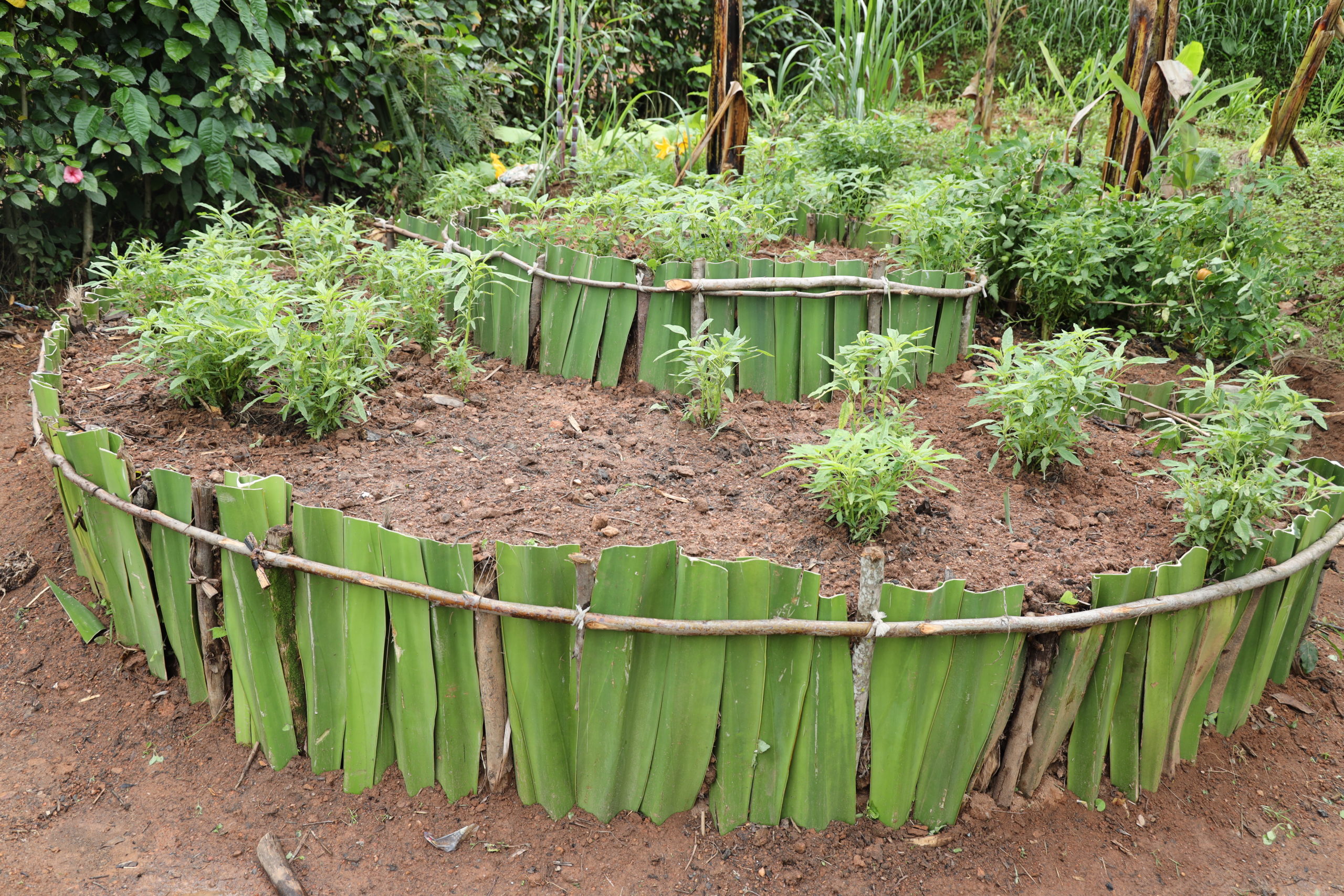
Each HBECD also maintains a kitchen garden, developed with support from parents and ECD Project staff. These gardens supply vegetables for children’s meals while enabling parents to learn modern farming techniques they can replicate at home.

In each HBECD, parents have set up a kitchen garden with support from ECD Project staff.

According to Ntakirutimana Donatha, the Munini Sector officer in charge of ECD and nutrition, HBECD supported by Caritas Rwanda and Plan International Rwanda stand out due to the professionalism of trained caregivers, adequate equipment, and regular follow-up visits, which ensure that challenges are addressed promptly.

In Nyaruguru District alone, the Caritas Rwanda’s ECD Project supported by Plan International Rwanda oversees 26 HBECD, serving 601 children (290 boys and 311 girls).

The Secretary General of Caritas Rwanda, Fr. Oscar Kagimbura, notes that with increased resources, the project could be expanded nationwide. Currently, Caritas Rwanda implements ECD activities in Nyaruguru, Bugesera, and Gatsibo districts, in collaboration with Plan International Rwanda and the National Child Development Agency (NCDA) through diocesan Caritas structures across the country.

Between 2014 and 2024, Caritas Rwanda supported over 45,000 ECDs, reached nearly 1.8 million children, rehabilitated thousands of malnourished children through improved nutrition, and trained more than 2.5 million caregivers on the six pillars of early childhood development, contributing significantly to child well-being and school readiness nationwide.


November 26, 2025

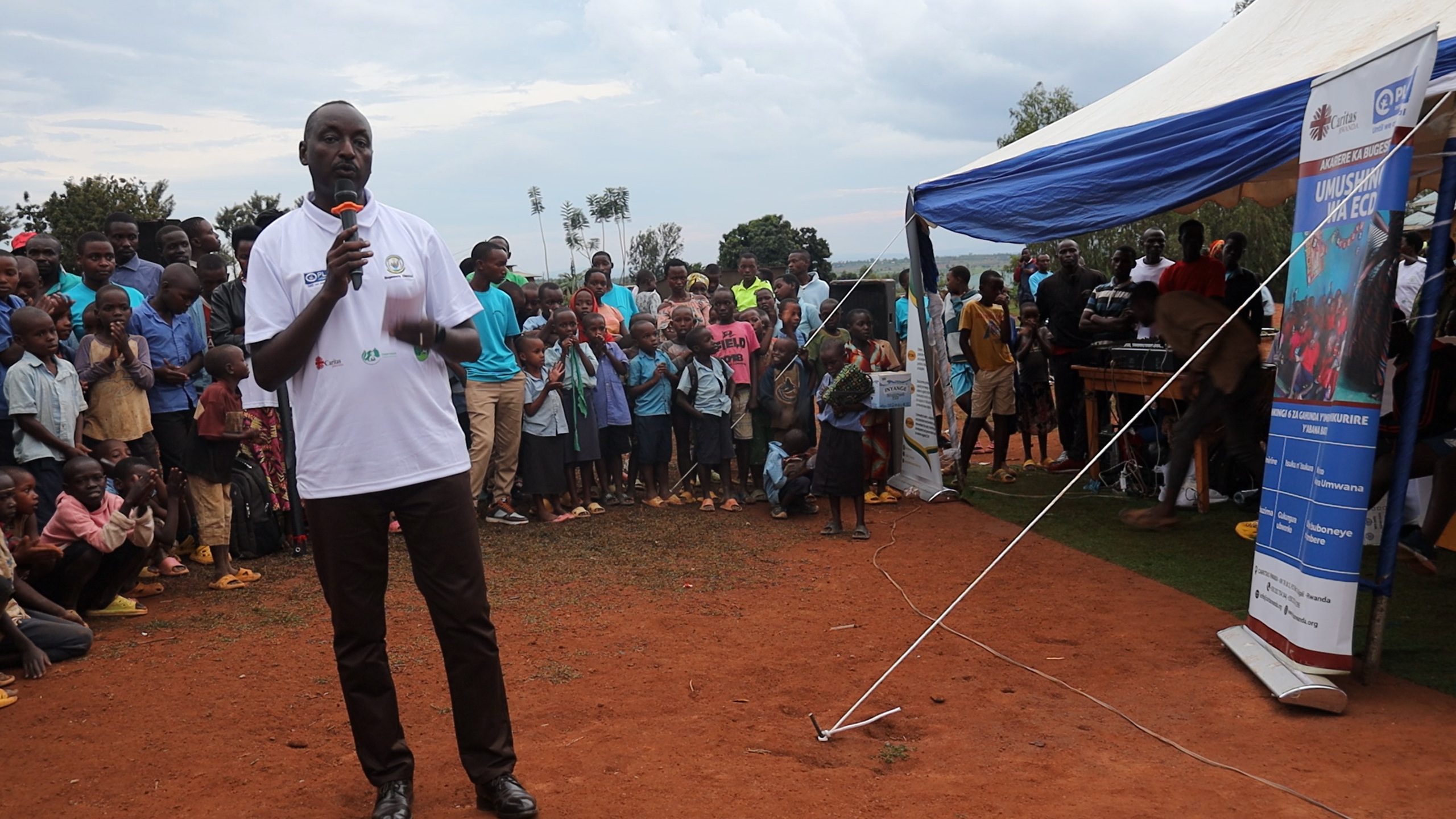
Caritas Rwanda, Bamporeze Association, and Imbaraga Farmers Organisation, with support from Plan International Rwanda successfully concluded a three-day joint community awareness campaign across Nyaruguru (19/11/2025), Bugesera (20/11/2025), and Gatsibo Districts (21/11/2025). The initiative brought together parents, caregivers, children, and local authorities to promote child rights protection, Early Childhood Development (ECD), and household resilience through innovative farming.

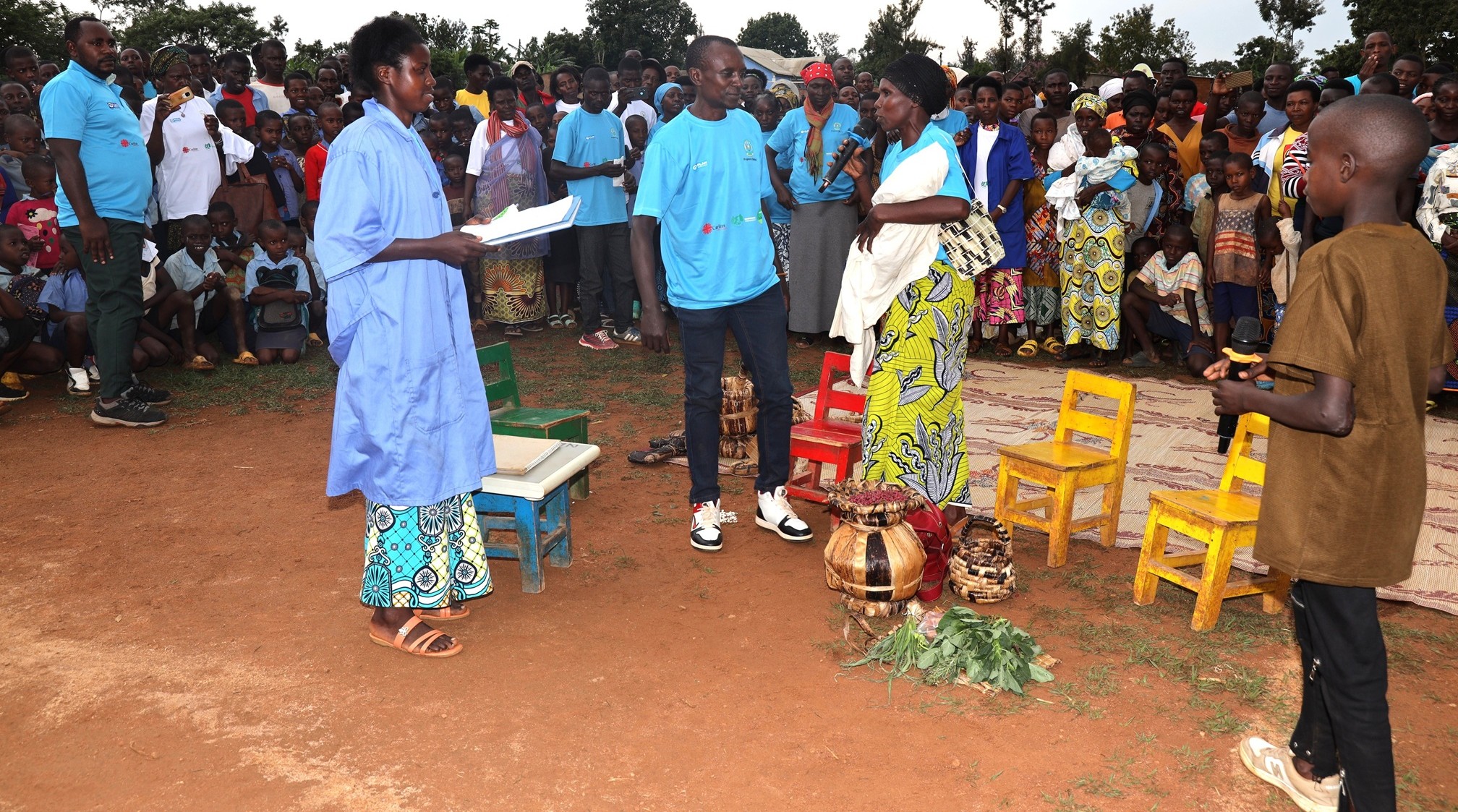
Guided by the theme “Let’s work together to nurture, protect, and promote the well-being of the child and the family,” this campaign was conducted through football matches, community sketches, poems, and Questions and Answers sessions, with winners receiving T-shirts as prizes.

Urumuri Club from Bugesera District, performed its sketch: “Duhindure Imyumvire” (Let’s change our mentality).

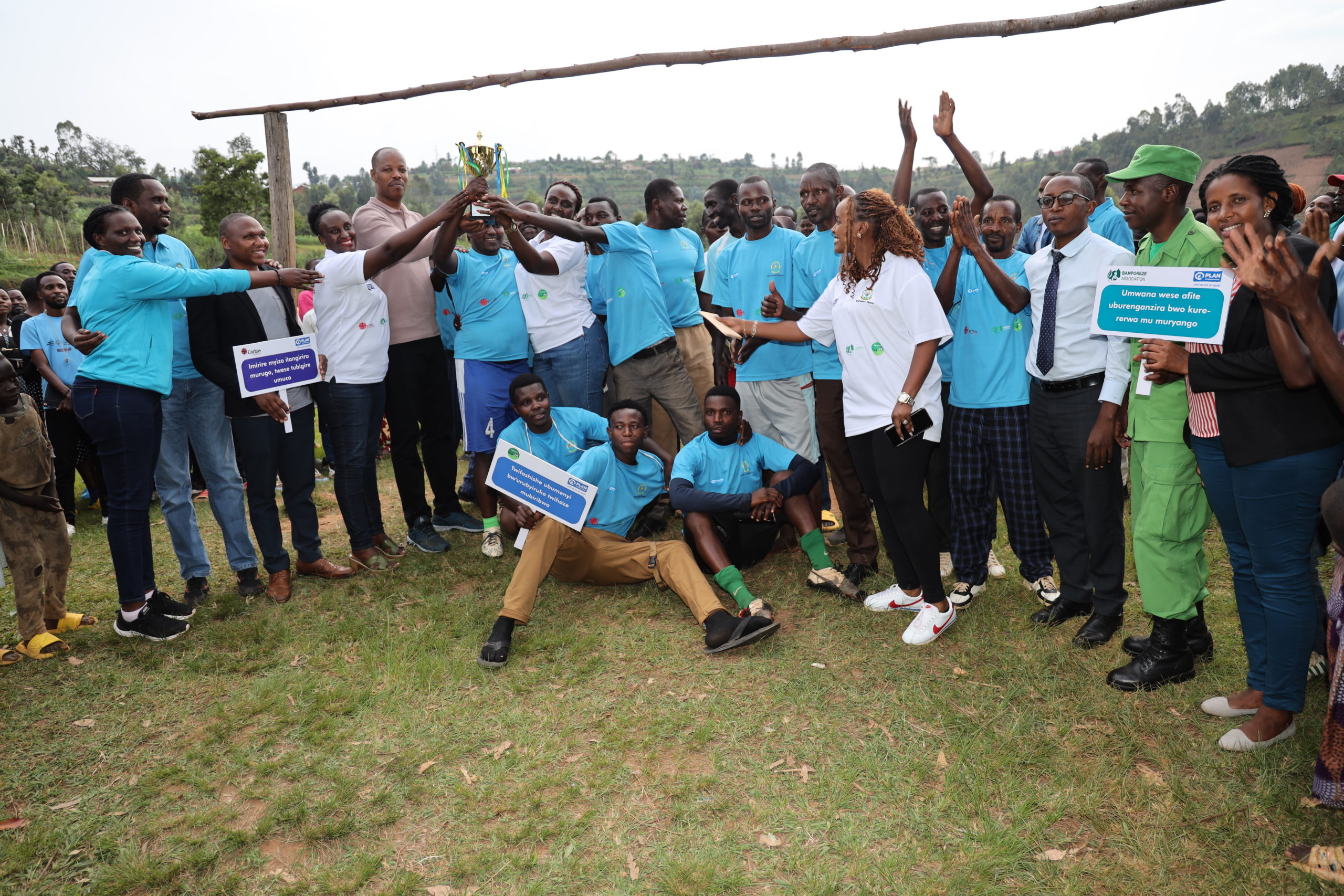
Mumporeze Football Club clinched victory with a 1–0 win against Papa Rumuri Football Club in Nyaruguru District, while Kamabuye Football Club won 4–3 on penalties against Ngeruka FC after an exciting shootout in Bugesera District. Kiziguro Football Club defeated Murambi Football Club (1-0) in the Gatsibo District.

The winning teams received a trophy and cash (100,000 Rwf), while the second teams received only cash (50,000 Rwf).

Key messages delivered by the 3 partner organizations

Representatives from the three organisations delivered insights aligned with their mandates as follow:

  • Caritas Rwanda emphasized the importance of holistic child growth through the six ECD pillars and encouraged parents to engage actively in early learning and stimulation.
  • Bamporeze Association highlighted the need for positive parenting, child rights protection, and collective responsibility in preventing child abuse.
  • Imbaraga Farmers Organisation encouraged families to embrace modern and climate-smart farming techniques to improve food security, nutrition, and household resilience.

    Projects coordinators from Imbaraga, Bamporeze and Caritas Rwanda projects, supported by Plan International Rwanda, who had organized this awareness campaign.

Messages from local leaders

The Guest of honour in each district praised the partners for working collaboratively and reaffirmed their commitment to supporting community-based child protection and development initiatives.

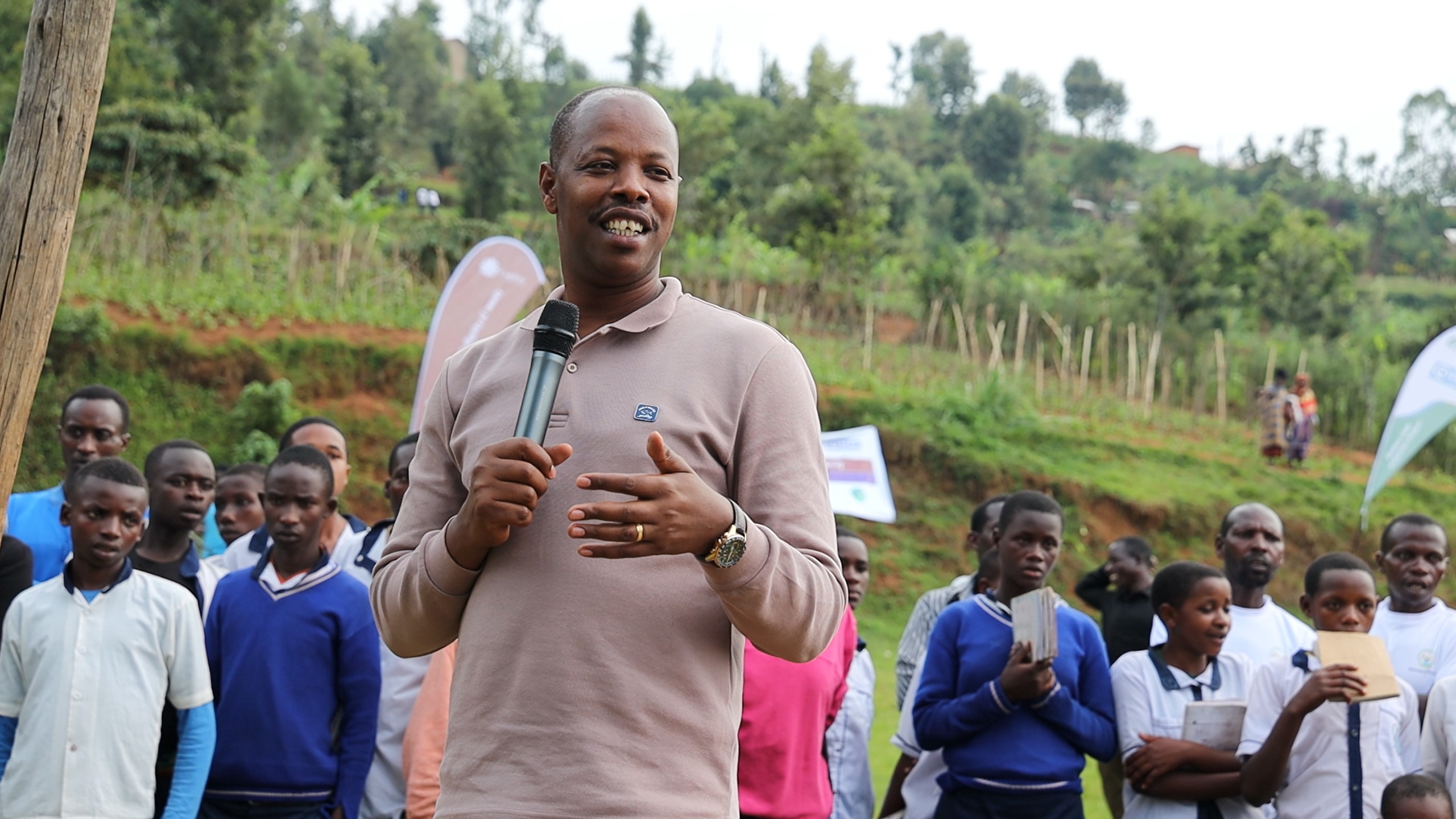
Mr. Janvier Gashema, Nyaruguru District Vice Mayor in charge of Economic Development thank the three partners for their collaboration with Nyaruguru District, not only during this campaign, but also in other activities they do that help to build an empowered, safe and prosperous family.

Mr. Janvier Gashema, Nyaruguru District Vice Mayor in charge of Economic Development.

On behalf of the Mayor of Bugesera District, Rurangirwa Fred, the Executive Secretary of Kamabuye Sector, thanked the partners for carrying out the campaign that provides solutions to all the problems Rwandan community is facing. “If we continue to join forces, you as partners, and us as local authorities, I assure you that we will achieve a lot and build a prosperous and secure Rwandan community. The most crucial thing is that by caring for children, youth, and families, we are constructing a better Rwanda for the future.”, said Mr. Rurangirwa.

Rurangirwa Fred, Executive Secretary of Kamabuye Sector.

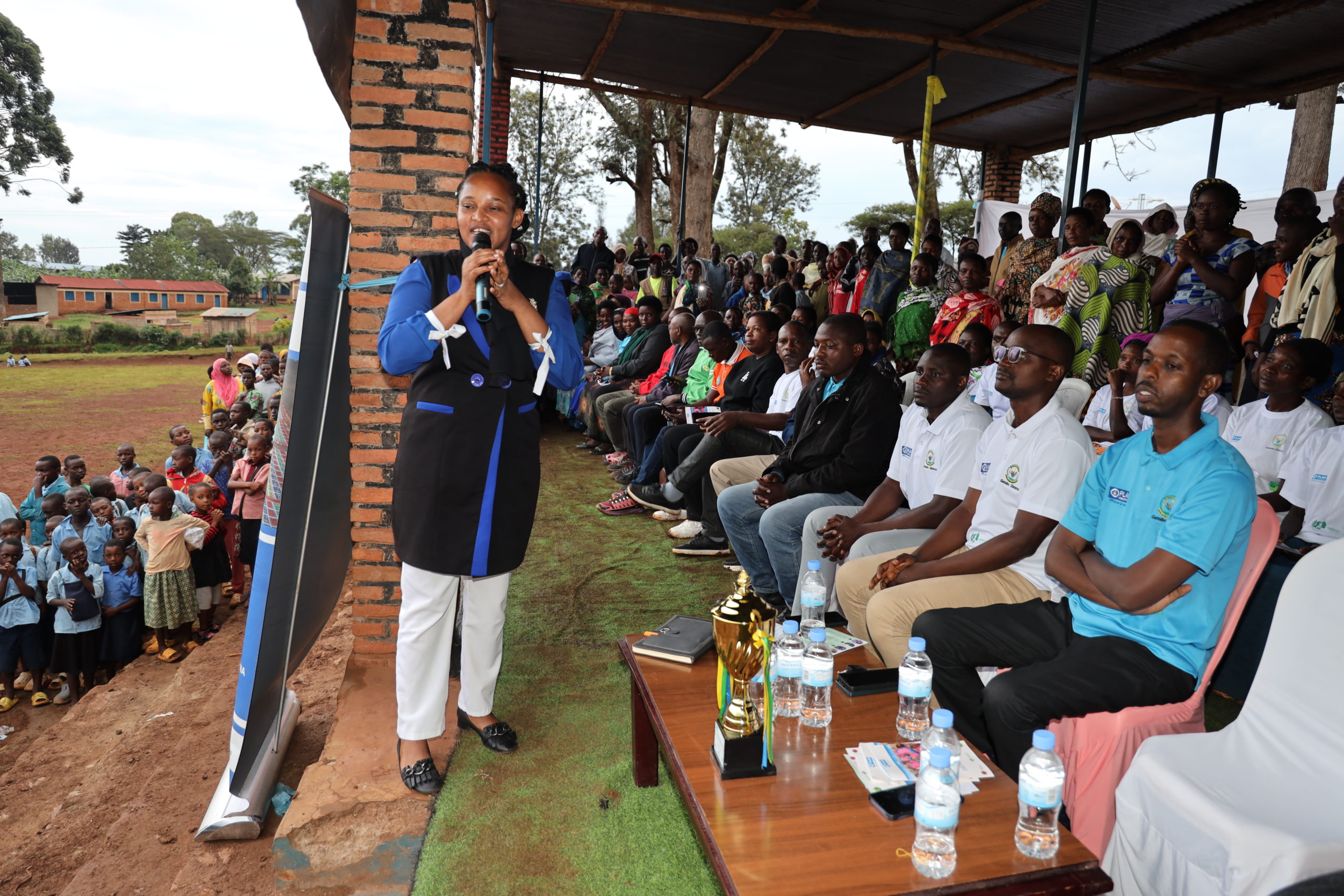
Mrs. Marcelline Mukamana, the Vice Mayor of Gatsibo District in charge of social welfare, said that the Gatsibo District leadership values ​​the interventions of the partners involved in this campaign. She emphasized “Umwana wanjye, Ishema ryanjye” (the campaign’s slogan meaning “My child is my pride”) is not just a slogan. “Rather, we should put it into practice: placing children into ECDs, protecting them from abuse, and caring for them, makes us proud”, said Mrs. Marcelline.

Mrs. Marcelline Mukamana, the Vice Mayor of Gatsibo District in charge of social welfare, delivering her speech.

The Joint Community Awareness Campaign underscored the importance of collective responsibility in ensuring children grow in safe, nurturing, and economically stable families. By bringing together local authorities, and the wider community, the campaign strengthened foundational structures for long-term protection, early learning, and household resilience.

October 29, 2025

Caritas Rwanda, with a financial support from the European Union through World Vision Rwanda, has officially launched the Dukore Twigire Project in Karongi District. The launch event brought together district officials, partners, and other key stakeholders at Centre d’Accueil Sainte Marie Karongi on October 15, 2025, followed by a community launch at the Kiziba Refugee Camp on October 16, 2025.

The Dukore Twigire Project (2025–2028) aims to strengthen the resilience and self-reliance of forcibly displaced populations (FDPs) and their host communities in Karongi District. The project will directly support 598 households, including 419 refugee households and 179 of host community members, with a particular focus on women, youth, and persons with disabilities.

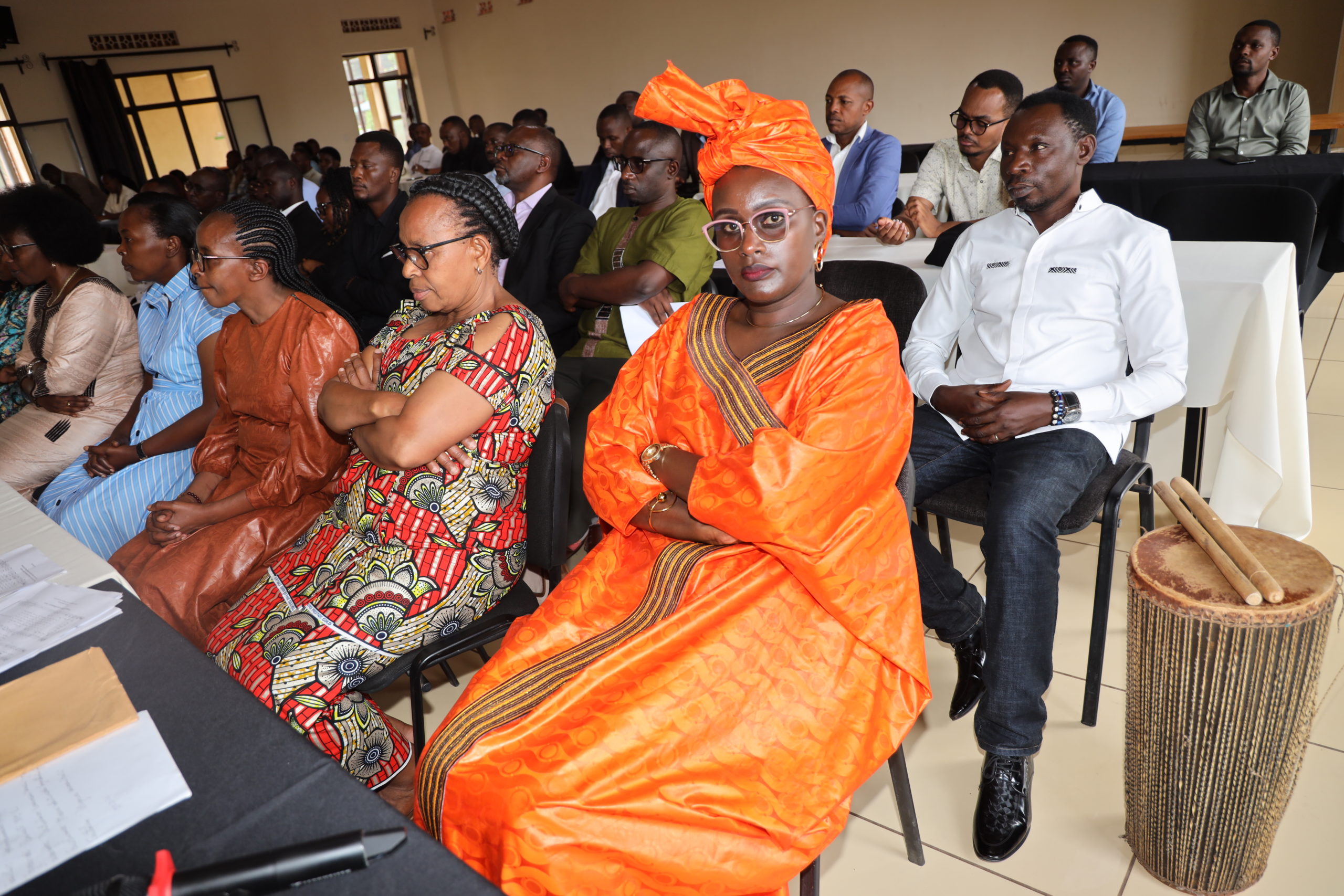
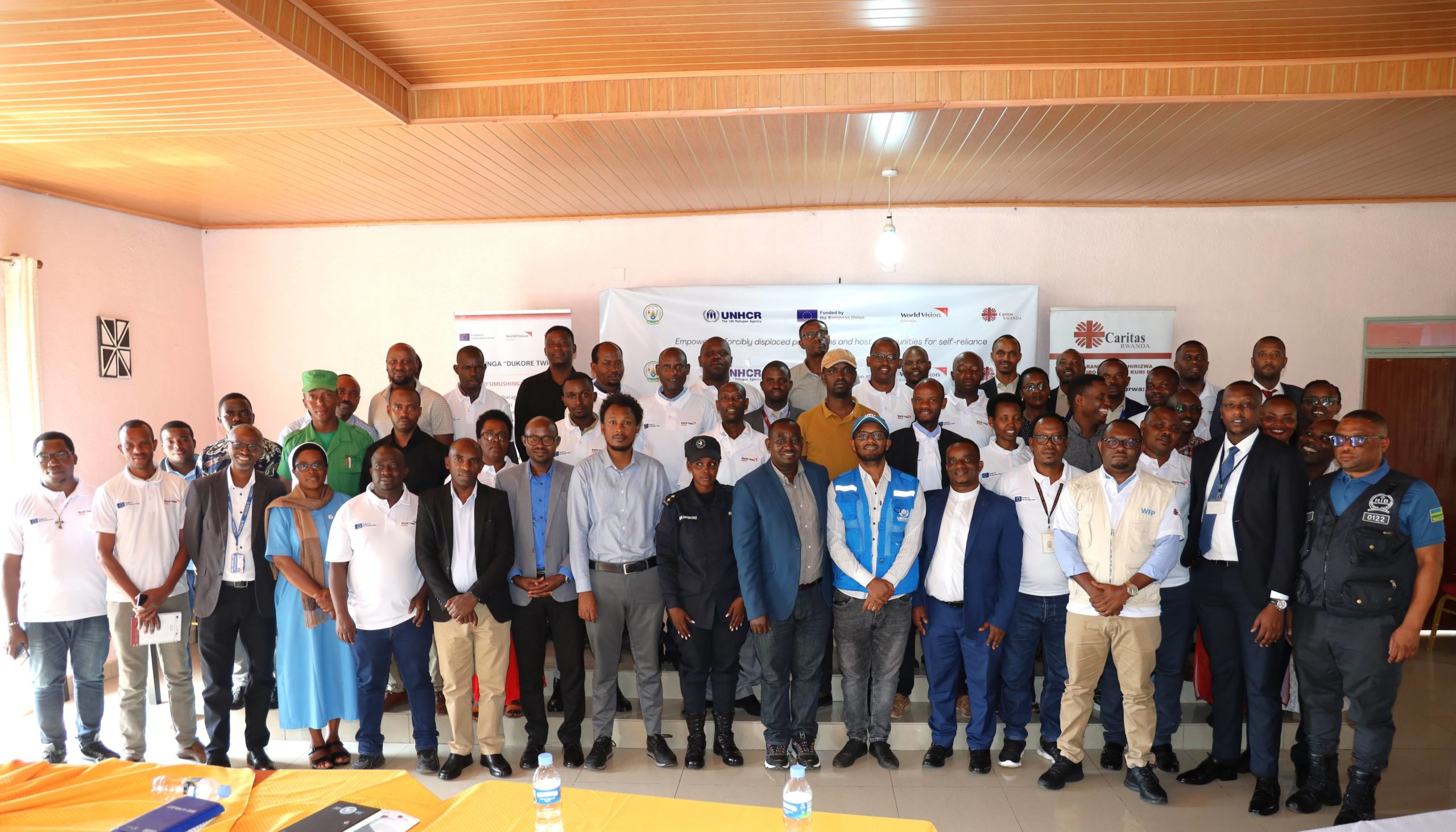
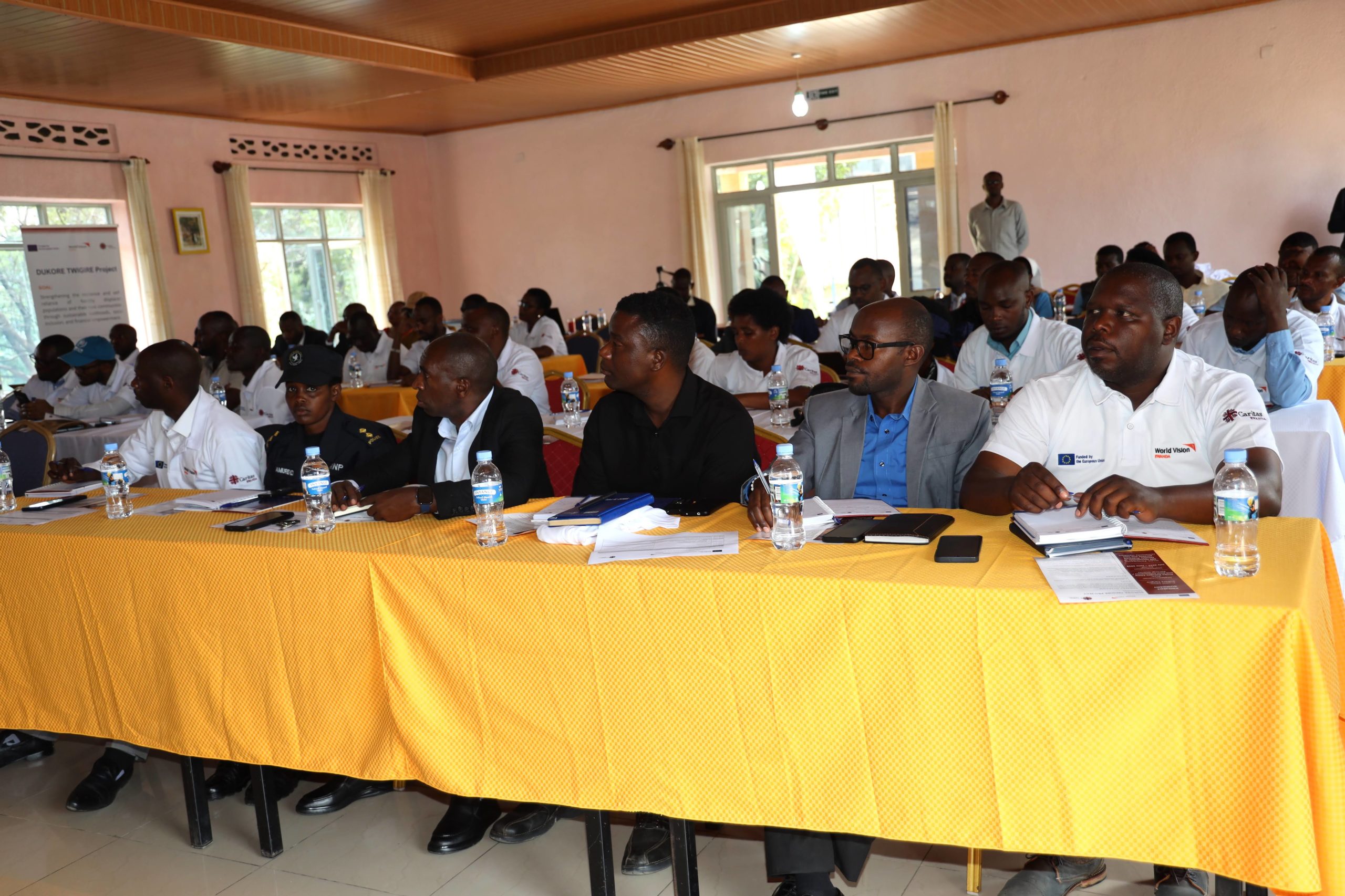
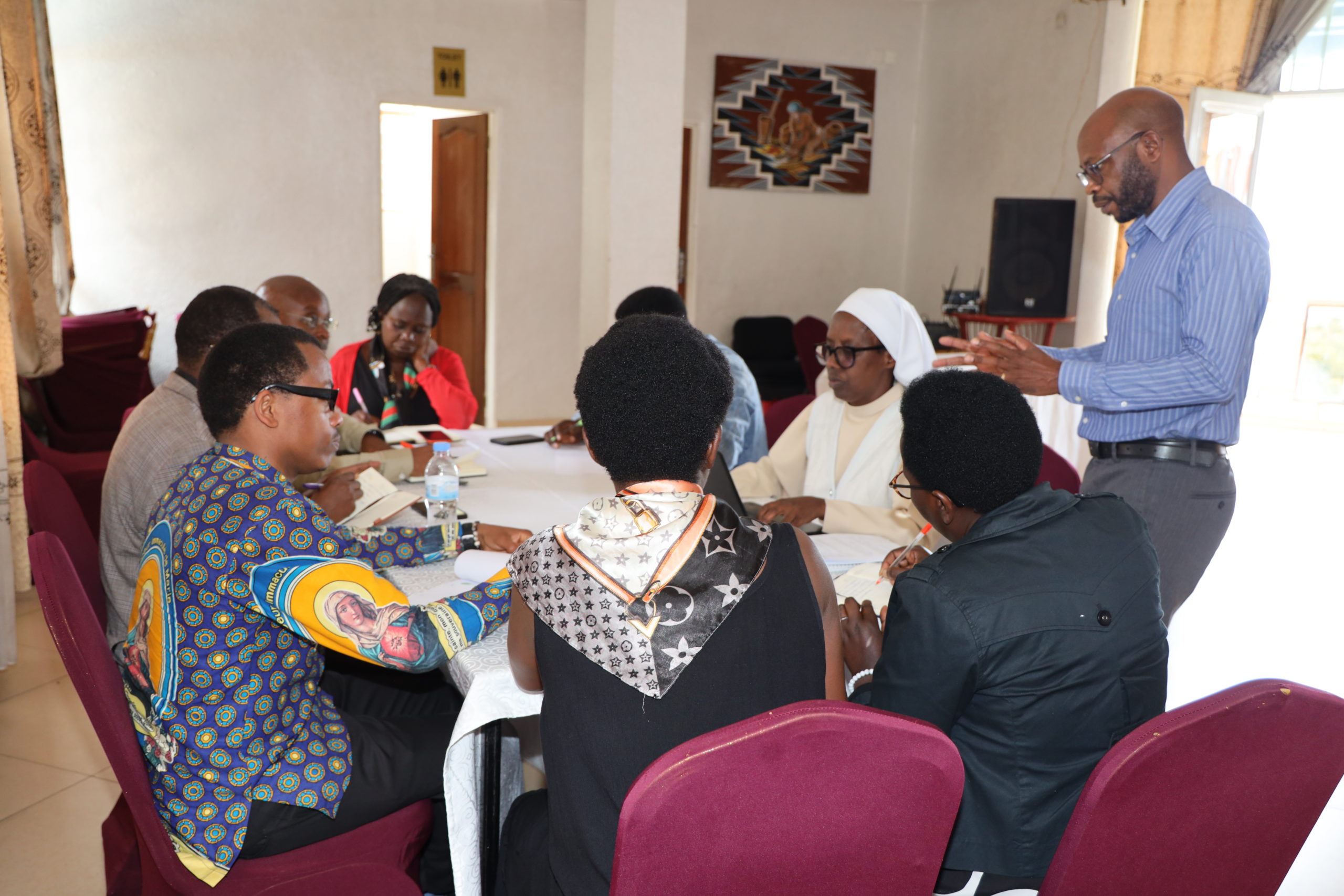
The Karongi stakeholders’ meeting held on 15th October 2025, provided a platform for local authorities, partners, and community leaders to discuss project goals, strategies, collaboration frameworks, and expected impact.

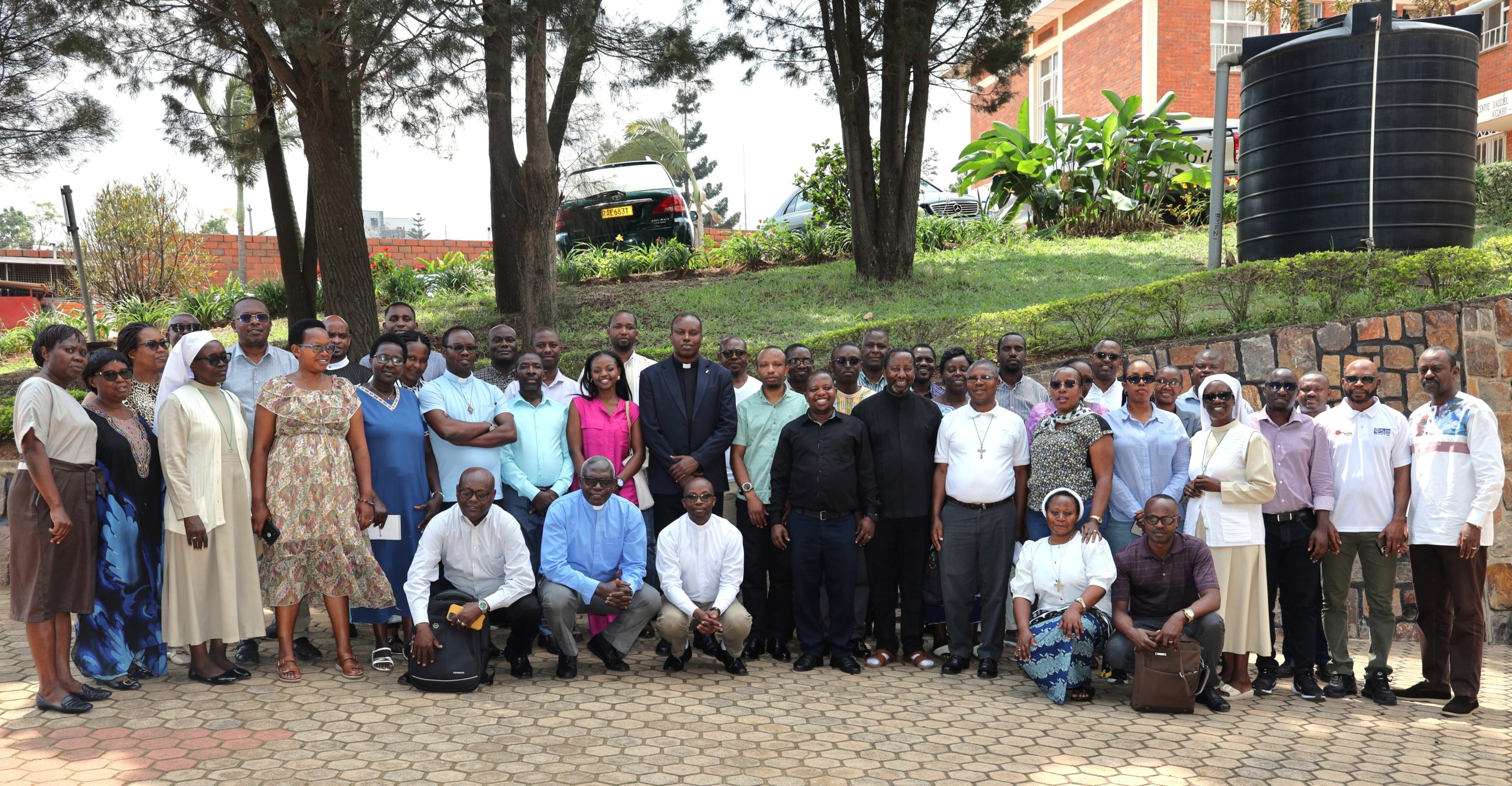
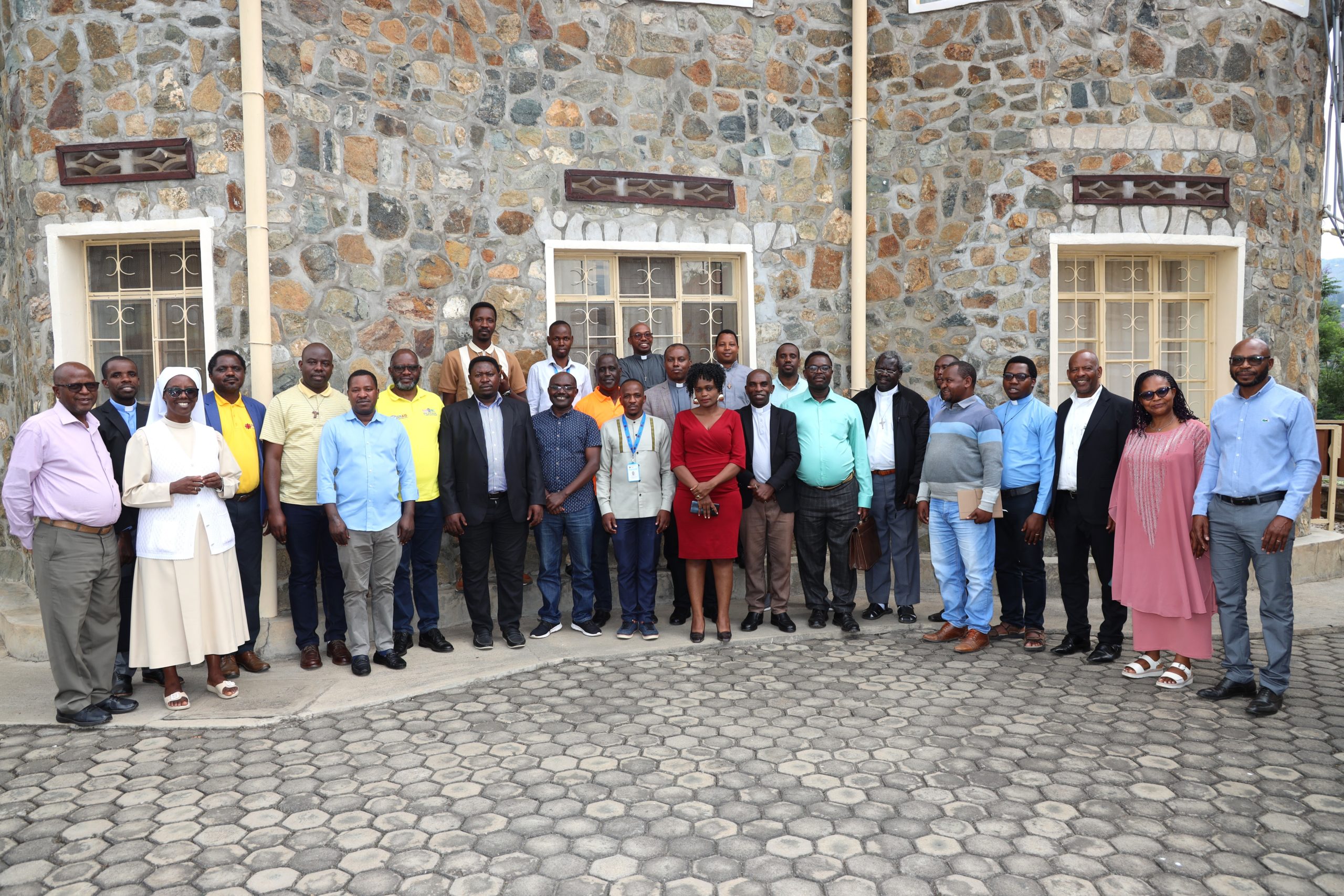
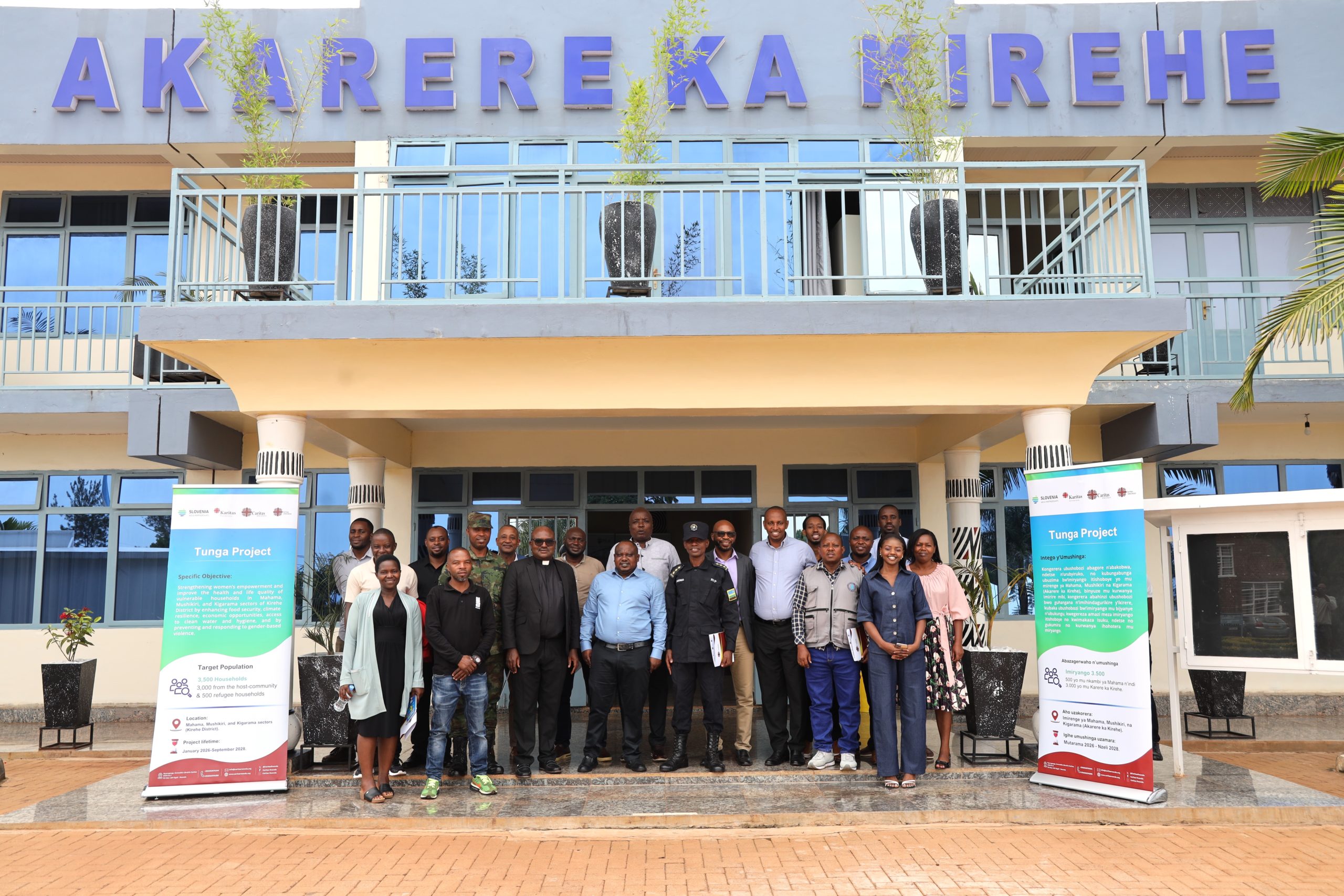
Some of the stakeholders who attended the Dukore Twigire launch event.

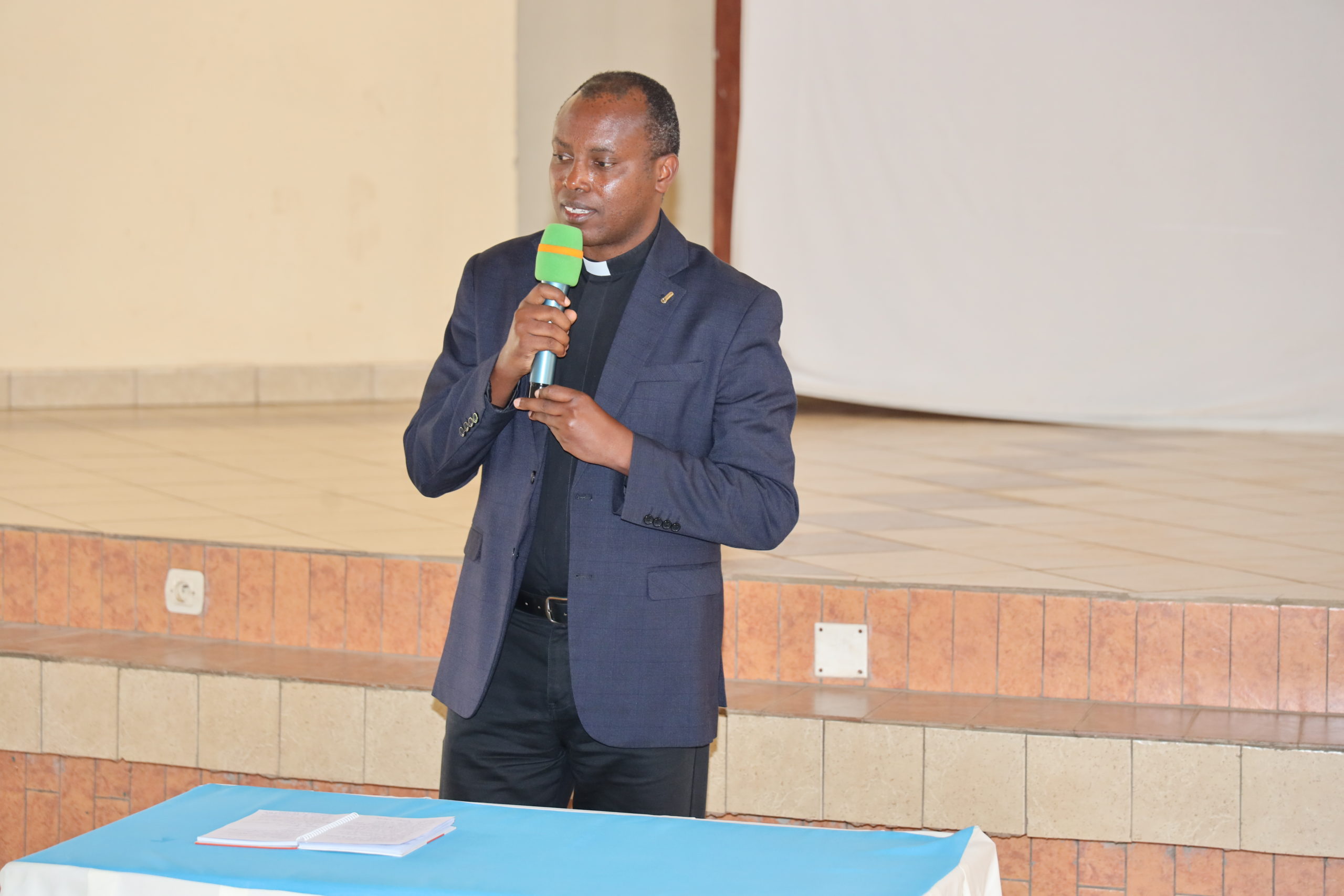
In his opening remarks, Father Emmanuel Bamporineza, Deputy Secretary General of Caritas Rwanda, said that this meeting was a time to exchange ideas and continue collaboration so that the Dukore Twigire project will improve in a sustainable way the lives of vulnerable people. “We think that by collaborating, we can transform families’ lives, boost their self-esteem, and assist individuals in becoming self-sufficient,” he added.

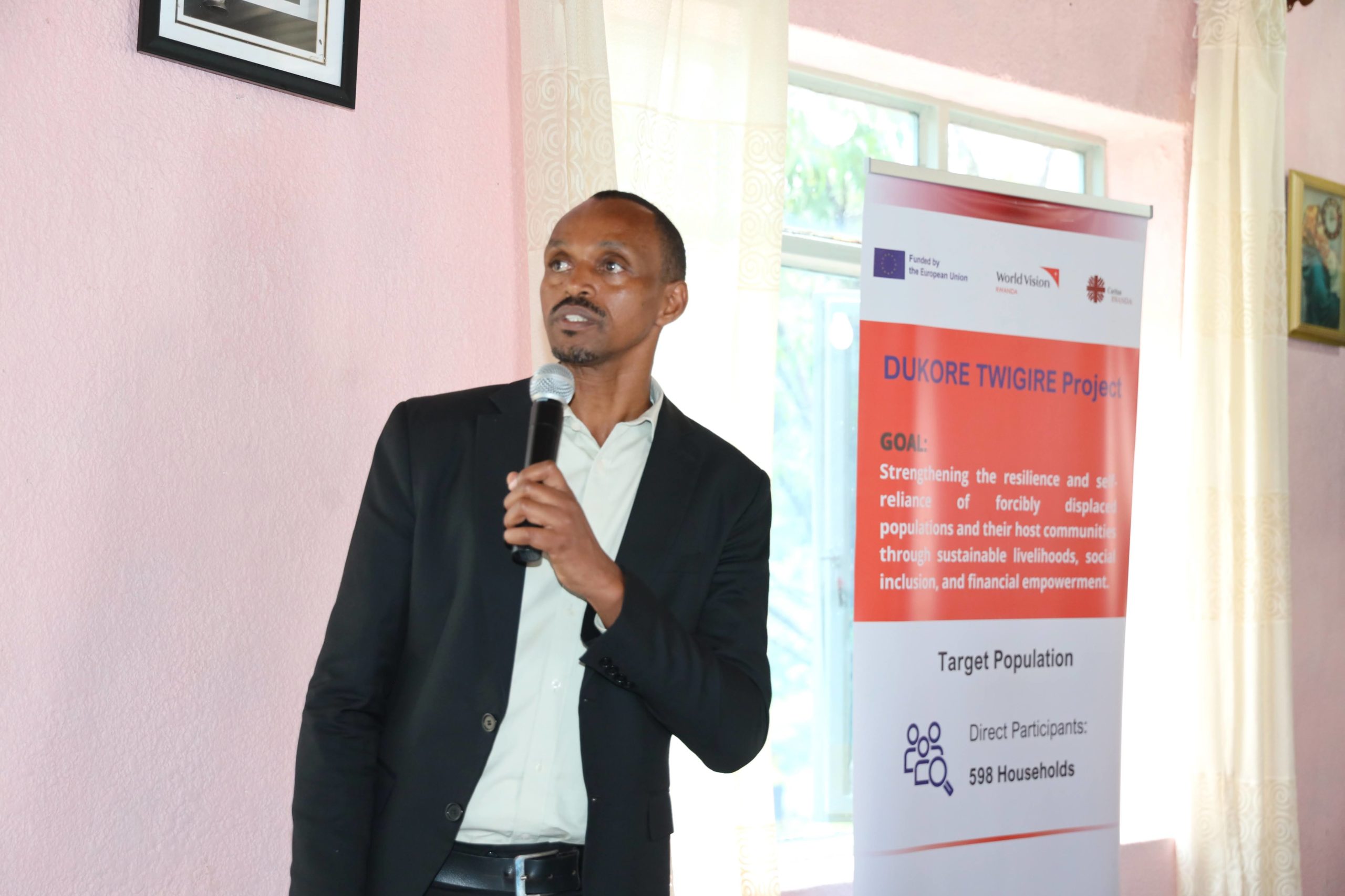
Following the presentation of the objectives and activities of the Dukore Twigire project, done by Jerome Sebaganwa, project manager, the ceremony participants asked a lot of questions. One of them sought clarity on whether the consumption support that eligible families would get will be included in the 1,000,000 Rwf cash grants. They were told that the cash grant does not include consumption support, which will be given for 6 months.

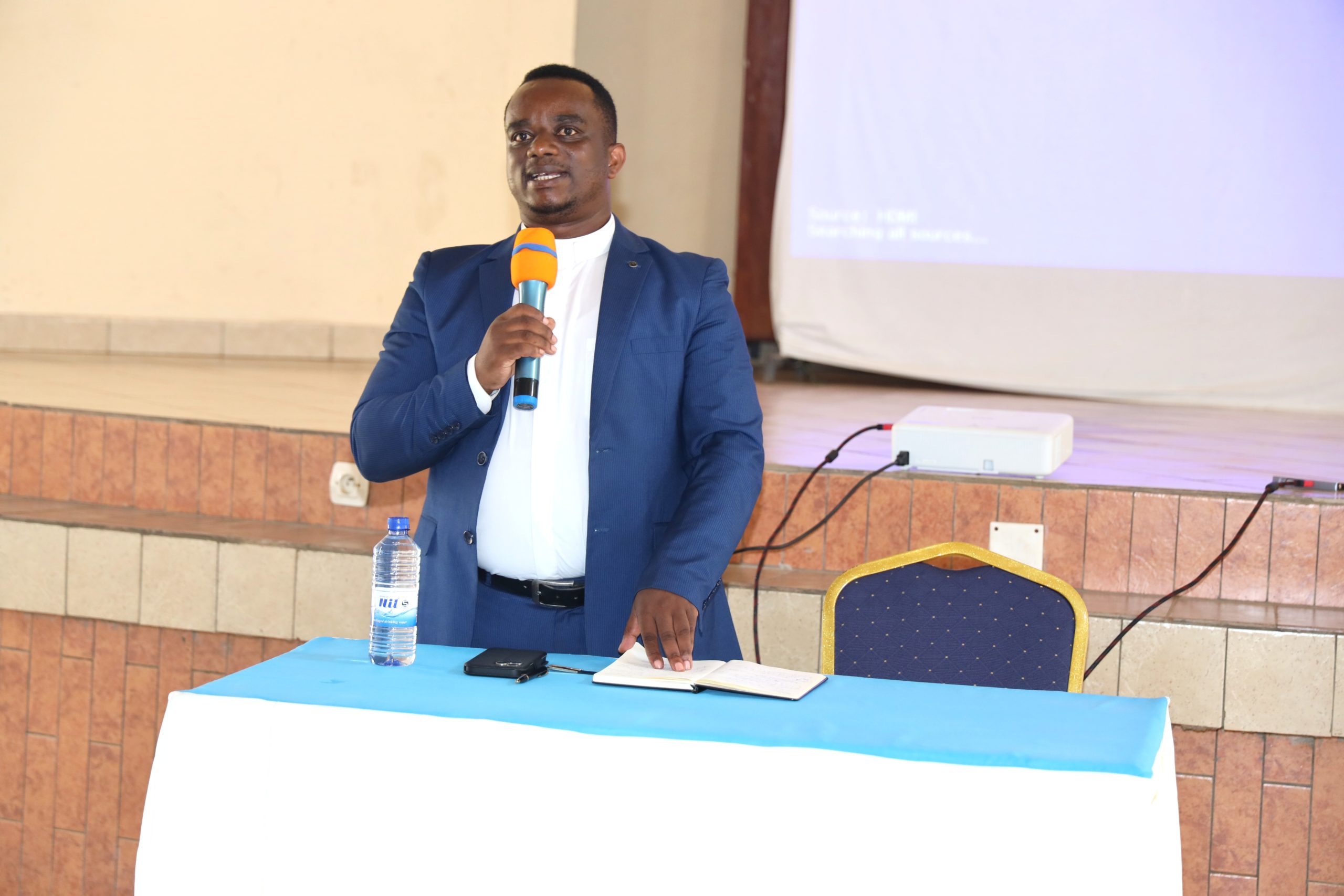
Jerôme Sebaganwa, the project manager of Dukore Twigire.

The participants also enquired whether project participants would be able to select their own vocational training programs and were informed that they indeed could make those choices themselves. Discussions also evolved about teaching integrity to beneficiaries, where project participants will be taught positive values during the Hinduka Wigire training so that their lives can change in a holistic manner.

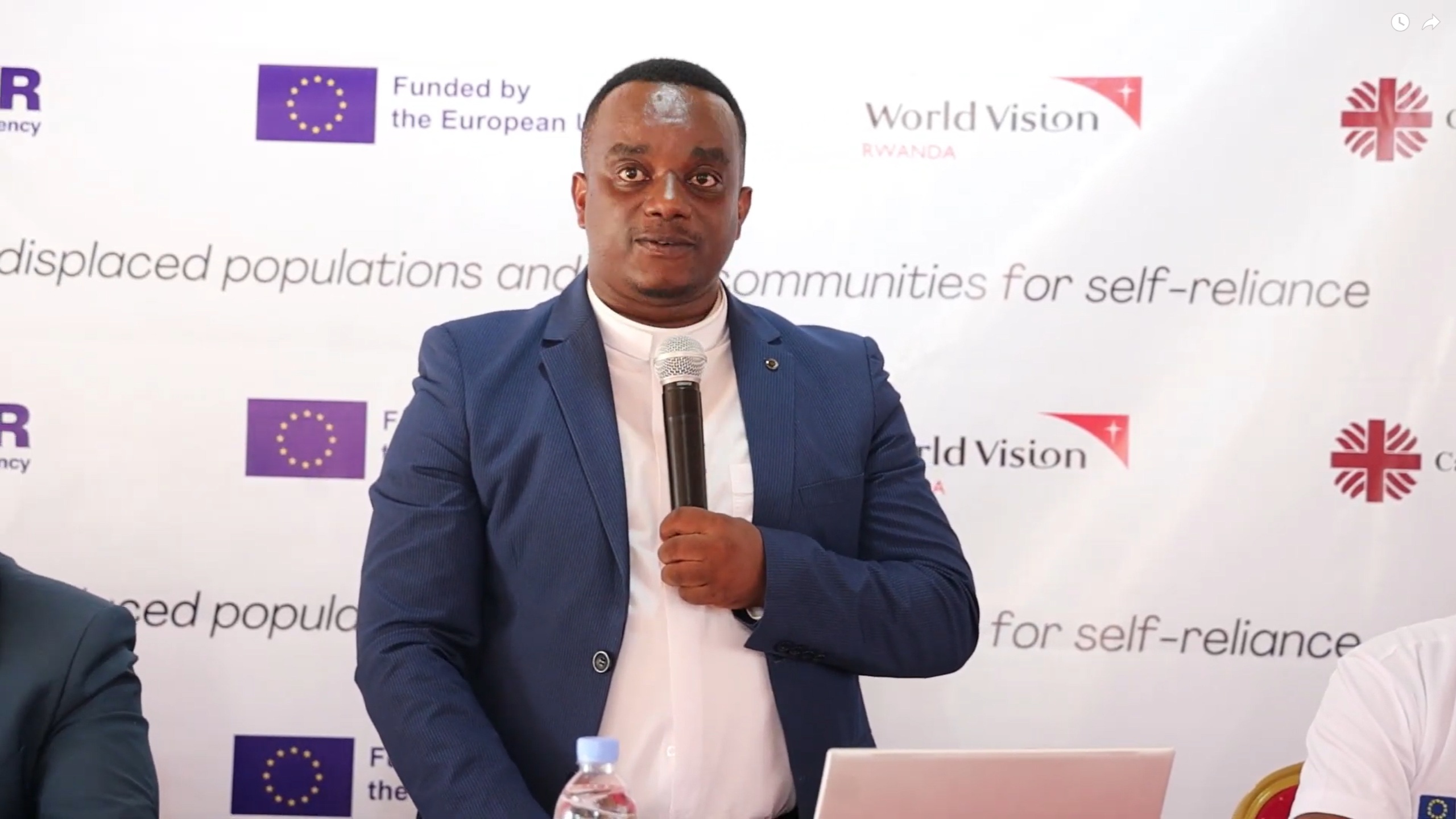
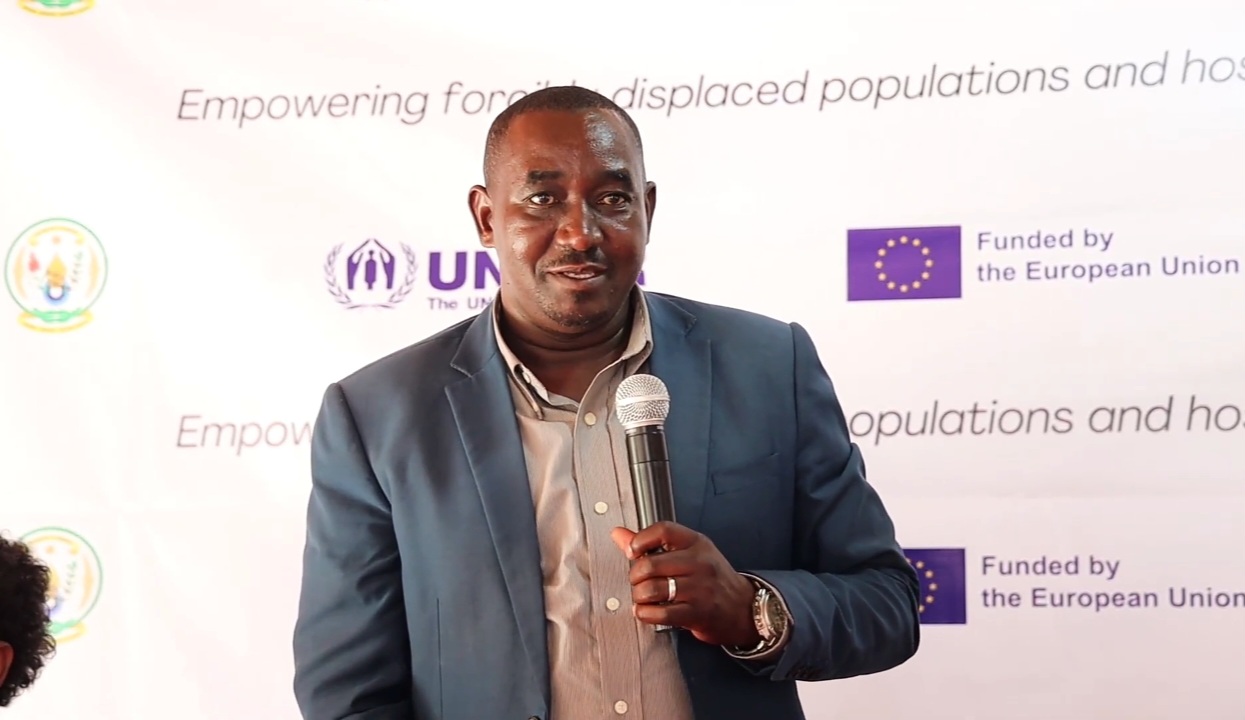
Speaking on behalf of the Karongi District Mayor, Innocent Bihira expressed gratitude to all those involved in the event and promised the District’s support for the project implementation. In addition, he mentioned the anticipated impact of the Dukore Twigire project in the following words: “The three years will yield good results that will help our district to move from the list of poor districts to the developed ones.”

Innocent Bihira, speaking on behalf of Mayor of Karongi District.

Funded by the European Union, the project is implemented under World Vision Rwanda’s consortium and executed by Caritas Rwanda in the Kiziba Refugee Camp and its host community. It seeks to empower participants through three key outcomes:

  • Improved, diversified, and sustainable livelihoods, by providing skills training, productive assets, and support to start or expand businesses.
  • Improved social protection, cohesion, and positive behaviour change, by fostering inclusion, protection, and community resilience among refugees and host communities.
  • Enhanced financial inclusion, through the creation of saving groups and improved access to financial services and market information.

By promoting market-led skills, entrepreneurship, and financial management, the Dukore Twigire Project will contribute to the broader efforts of building climate-resilient communities and reducing dependency on humanitarian aid. Participants will receive continuous coaching and mentorship to strengthen their capacity for self-reliance and economic sustainability.

On October 16, 2025, Today, Caritas Rwanda held an engagement meeting to introduce the Dukore Twigire Project, with refugee committee members, local leaders from the 3 cells surrounding the camp, quartier leaders, faith representatives, and selected volunteers.

October 2, 2025

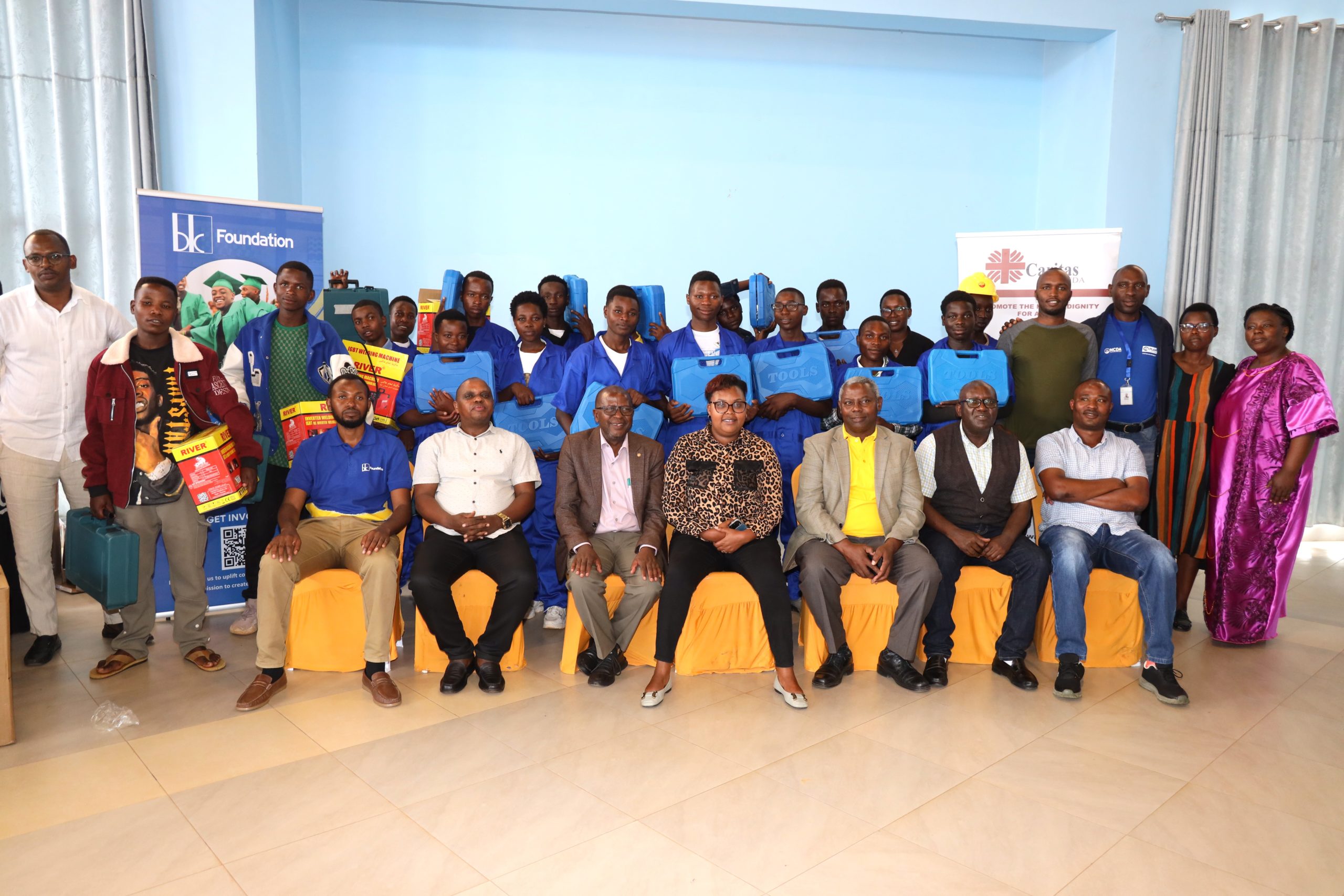
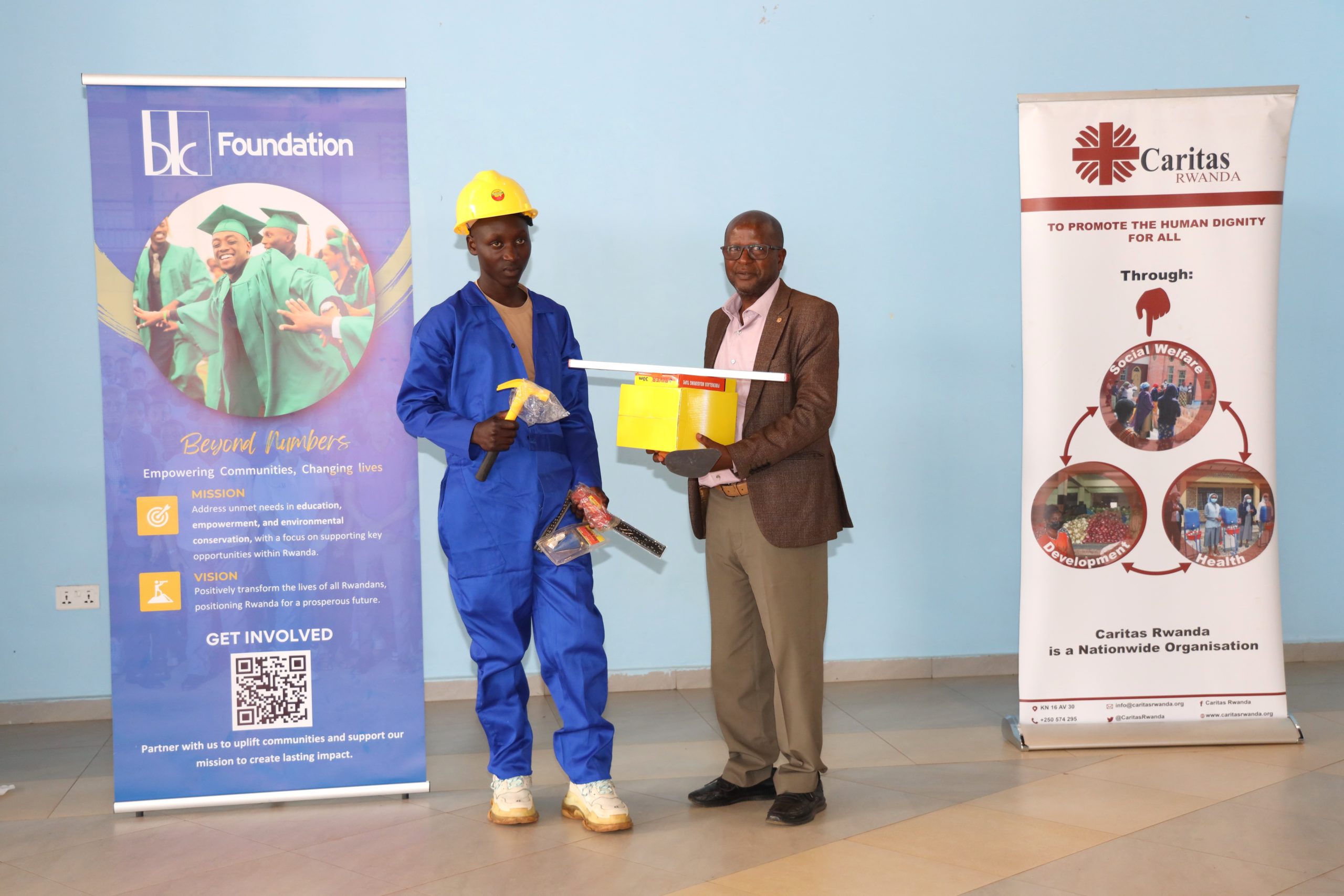
On October1, 2025, Caritas Rwanda distributed starter toolkits to forty Orphans and Vulnerable Children (OVC), who had successfully completed their professional (TVET) training program, to support them as they begin their journey into income-generating activities and self-reliance.

The distribution event brought together community leaders, Caritas Rwanda staff, representatives from BK Foundation, the trainees and their families. The toolkits, comprising essential equipment and materials tailored to trainees’ fields, included sewing, hairdressing, auto mechanics, and construction.

Mukeshimana Grâce, one of the trainees from Rays of Hope TVET School, thanked Caritas Rwanda, through its Igire-Gimbuka program, and the BK Foundation, as well as the schools that helped them acquire vocational skills. She added that during her internship, she was able to save money for herself and her child.

Nsabayesu Claude, who studied auto mechanics at Samuduha Integrated College, said he used the money saved from his internship to buy a pig. “Even if you give me Rwf 200,000, I can’t sell it to you,” he said with a smile.

Nyirangirinshuti Judith, one of the parents, thanked all partners who helped worked together to help their children escape from vagabondage to acquire vocational skills and who provided them with the startup kits they needed to start working. She also mentioned that during his internship, her child saved enough to buy 20 chickens.

In addition to receiving startup kits, the trainees also received certificates.

Advice to students and their parents

Uwayo Joel, who represented the BK Foundation at the ceremony, stated that one of the three pillars of the BK Foundation is supporting education: “Help us so that the efforts made through this partnership are not in vain,” he added.

Ntakirutimana Jean, Deputy Chief of Party of Caritas Rwanda’s Igire-Gimbuka program, explained to the graduates that learning how to find markets is one thing; finding and profiting from them is another, urging them to demonstrate professionalism and honesty to progress.

Ntakirutimana Jean, the Deputy Chief of Party of Caritas Rwanda’s Igire-Gimbuka, distributing the startup kit to one of trainees who successfully accomplished his construction professional training.

In her speech, the Vice Mayor of Nyamasheke District in charge of social affairs, Mrs. Mukankusi Athanasie, told the young graduates that they are not obliged to work only in Nyamasheke District, but that they can broaden their horizons and open up to other regions. “Just as you see that pompom on your hat swinging and moving everywhere, you too should go everywhere, putting into practice what you have learned and earning money,” said Ms. Athanasie.

Mrs. Mukankusi Athanasie, the Vice Mayor of Nyamasheke District in charge of social affairs addressing graduates and their parents.

The Vice Mayor also told the parents that their children need them more than ever and that they must continue to be close to them and provide guidance so they can progress.

This is the result of a strong partnership

This startup kits distribution is part of a partnership agreement signed in August 2024 between the five implementing partners of the Igire-Gimbuka program (two of which are no longer implementing it) and the BK Foundation. Under this agreement, the BK Foundation committed to supporting 200 young people from selected districts (Muhanga, Kayonza, Kicukiro, Rwamagana, and Nyamasheke) to enable them to pursue technical and vocational training (TVET) through Igire-Gimbuka.

Details of this partnership agreement are available on our website:

https://caritasrwanda.org/bk-foundation-to-support-200-youth-in-pursuing-tvet-program-through-the-5-usaid-funded-igire-ips-by-2027/

To watch a video of this event, click here:

https://www.youtube.com/watch?v=LtCAla_yeoE&t=376s

September 16, 2025

Recognizing the role of synergy and collaboration in promoting sustainable impact, Caritas Rwanda organized engagement meetings with priests from the Nyundo Diocese, covering both Caritas Nyundo/Kibuye and Caritas Nyundo/Gisenyi zones respectably on 11th and 12th September 2025. These meetings brought together almost 60 participants, including priests, diocesan Caritas and Caritas Rwanda staff.

In his speeches (September 11 and 12, 2025), Father Oscar Kagimbura, the Secretary General of Caritas Rwanda reminded that Caritas’ mission focuses on love, on the Gospel, emphasizing that this meeting aimed to jointly examine how synergy and collaboration between Caritas and Church structures (from the Parish to basic ecclesial communities) can be strengthened so that their activities are productive.

Father Oscar Kagimbura, also reminded this passage from the Strategic Framework of the Caritas Confederation[1]: “Inspired by the Gospel and experiences of people experiencing poverty, we are part of the universal mission of the Catholic Church to:

  • Save lives and reduce risk by building resilient communities, and responding quickly and effectively to humanitarian crises (Assistance, Social Welfare and Health);
  • Transform lives and communities through the promotion of integral human development, the care for creation, the restoration of peace and social justice (Development, Peace and Justice);
  • Call for a better world by amplifying the voice of those we serve, and convening people to advocate and act (Advocacy).”

The Secretary General of Caritas Rwanda also recalled the two pillars on which Caritas is based, namely (i) professional preparation and (ii) formation of the Heart as mentioned in the Encyclical of Pope Benedict XVI Deus Caritas Est (God is Love)[2], published on December 25, 2005 (page 31). In this regards, the Secretary General of Caritas Rwanda reminded all Caritas staff members to adopt the Caritas Spirit, which is a spirit of compassion towards people they serve.

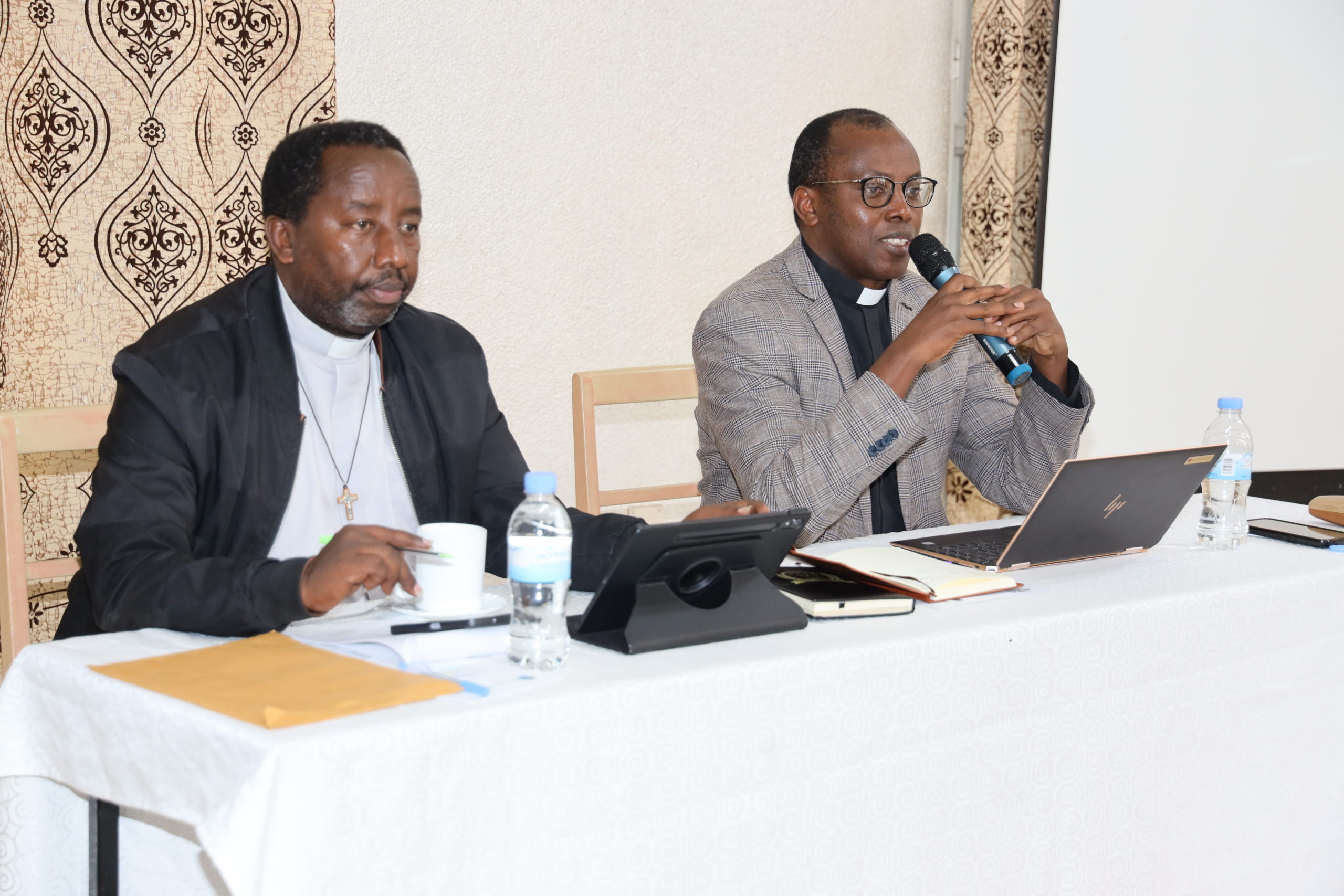
Father Oscar Kagimbura, the Secretary General of Caritas Rwanda delivering his speech (during the Nyundo/Gisenyi meeting) and Father Jean Paul Rutakisha, the Director of Caritas Nyundo/Gisenyi.

The meetings were also an occasion for explaining more about Caritas Nyarwanda. As it was said, their contributions serve to assist vulnerable populations who need emergency support during disasters without waiting for external support.

SWOT analysis in groups

Participants worked in groups to conduct a SWOT (strengths, Weakness, Opportunity and Threats) analysis of current practices. They discussed what they should stop doing, what they should improve, and what new ideas they should start in regard to communication, advocacy, synergy, and collaboration.

SWOT analysis in groups – Nyundo/Gisenyi.

The groups recommended to (1) develop a list of people who have been assisted by Caritas and the implementation of the Garukushime initiative, (2) to raise awareness on Caritas Spirit among participants, and (3) to conduct a regular campaign for the Charity Month to reach children before they go in holidays and farmers during harvest seasons.

The recommendations also included (4) intensifying reporting efforts about the use of the Charity Month contributions in all Caritas structures, (5) strengthening collaboration between Caritas structures, (6) fulfilling our responsibilities as part of Caritas instead of acting as project employees, and (7) promoting the visibility of Caritas activities in the development and health sectors.

SWOT analysis in groups – Nyundo/Kibuye.

In addition, participants requested that (8) staff in Caritas projects better reflect its true identity and collaborate with Caritas structures in the implementation of these projects, and that (9) the capacities of development and health mobilizers be strengthened throughout the implementation of projects, so that they can follow up with participants even after their implementation.

[1] https://www.caritas.org/wordpress/wp-content/uploads/2023/06/EN22GA-04_Strategic-Framework-.pdf  page 5

[2] https://www.vatican.va/content/benedict-xvi/en/encyclicals/documents/hf_ben-xvi_enc_20051225_deus-caritas-est.html

August 26, 2025

On 22nd August 2025, at Centre Bonne Espérance Kicukiro, Caritas Rwanda together with the diocesan Caritas, held a mid-term review and evaluation workshop for the 2025 Operational Plan, the first year of implementing its 2025-2030 Strategic Plan.

In his opening remarks, Father Oscar Kagimbura, Secretary General of Caritas Rwanda, explained that the workshop aimed to review the activities carried out since the launch of the new strategic plan (2025-2030) and to adjust priorities in order to improve the impact of interventions.

The operational plan was evaluated and revised through 4 departments, namely the Department of Administration and Finance, the Department of Health, the Department of Social Welfare, and the Department of Development.

The midterm evaluation showed that the implementation of the 2025 Operational Plan is on track despite funding cuts midway through. Some adjustments are necessary, such as transferring certain activities to other departments.

The 2025-2030 Strategic Plan has the following overall objective: The living conditions of the most vulnerable are improved in a sustainable manner by ensuring their integral human development in a spirit of solidarity.

For more details about the Caritas Rwanda 2025-2030 Strategic Plan, click on the following link:

SPlan-Caritas-Rwanda-FNL-2530-20032025-Final-compressed.pdf

August 18, 2025

On 12th August 2025, Caritas Rwanda organized a meeting with representatives of religious congregations at the Saint Vincent Pallotti Center in Gikondo, with a threefold objective: to raise awareness of Caritas and its reason for existence, its objective and mission, its values, its structures, and its areas of intervention.

This meeting also aimed to strengthen collaboration and synergy, as well as faithful reporting, in order to effectively serve the most vulnerable. In their remarks, the consecrated persons stated that they themselves raise awareness on the Caritas Spirit to assist the most vulnerable.

In his opening remarks, Father Oscar Kagimbura, Secretary General of Caritas Rwanda, emphasized that promoting activities related to care for vulnerable people is not seen as a publicity stunt but rather as an advocacy effort to help a greater number of these individuals.

Father Oscar Kagimbura, Secretary General of Caritas Rwanda, delivering his opening remarks.

Sister Gaudiose Nyiraneza, in charge of animation activities in the Social Welfare Department of Caritas Rwanda, delivered a presentation on the Charity and Mercy Month, the contributions made over the years, and the strengthening of “Caritas Nyarwanda”.

Sister Gaudiose Nyiraneza, delivered a presentation on the Charity and Mercy Month.

Afterward, Mr. Prosper Sebagenzi, the Caritas Rwanda Program Director, gave a presentation on Caritas Rwanda (Vision, Mission, Values) and its interventions, which extend across its network: 10 diocesan Caritas organizations, 229 parish Caritas organizations, 882 central Caritas organizations, and 29,141 Basic Ecclesial Communities (CEB).

Mr. Prosper Sebagenzi, the Caritas Rwanda Program Director, delivered a presentation on Caritas Rwanda (Vision, Mission, Values) and its interventions.

The involvement of religious congregations in supporting vulnerable people is particularly important, as demonstrated by their highly effective interventions. Indeed, these congregations themselves promote the Caritas Spirit to care for the most vulnerable.

Participants also discussed the Charity and Mercy Month (August), established by the Catholic Bishops of Rwanda to strengthen Caritas Nyarwanda’s efforts with the aim of promoting resilience and integral human development for the most vulnerable.

Some suggestions brought up by representatives of religious congregation

Following the presentation of recommendations from the study tour conducted by the diocesan Caritas and Caritas Rwanda in the Ruhengeri Diocese (which ranked first in the collection of contributions for the Charity and Mercy Month in 2023 and 2024), representatives of religious congregations offered various ideas for further improving this activity.

Indeed, they mentioned that many people perceive Caritas as a fund where they can always find help, without considering their role in helping others. They recommended that more awareness needs to be raised to alter this belief.

It was a meeting full of fruitful discussions.

Regarding the collection of donations for the Charity and Mercy Month, representatives of religious congregations noted that August alone is insufficient and suggested starting the collection as early as January.

Another approach to mobilizing people during the Charity and Mercy Month is to organize events where Caritas beneficiaries share their testimonies with Christians. This would help many better understand the mission and significance of Caritas.

Regarding the reporting of activities carried out by religious congregations, their representatives requested a standardized form to ensure accurate and timely submission of information.

Religious congregations do many charitable activities as their representatives explained.

It was also noted during the meeting that Christians of Saint-Pierre Cyahafi Parish had launched Caritas Iwacu, managed by a full-time coordinator, with regular donations contributed by the community. Representatives of religious congregations recommended that this practice be extended to other parishes.

The delegates also requested Caritas Rwanda and the religious congregations to agree on joint charitable activities to be carried out each year.

To conclude, Father Oscar Kagimbura thanked the representatives of the religious congregations for their participation, their interventions, and especially their excellent support to the most vulnerable. “Giving comes from a heart devoted to others, not from what one possesses”, added Father Oscar.

July 31, 2025

In a remarkable act of solidarity and compassion, 42 vulnerable families in Ruharambuga Sector, Nyamasheke District, have seen their lives transformed thanks to a collaborative initiative led by Caritas Cyangugu, the Rwanda Development Board (RDB), and Nyamasheke District. This joint effort is part of Rwanda’s national policy to share tourism revenue with local communities, especially those living near key tourist attractions such as Nyungwe Forest.

Among the beneficiaries is Mukarurangwa Marianne, who recalls the profound joy she felt upon receiving a new home: “We had been sleeping in a bad place for a long time, in the cold, in the rain… It was as if we had died from happiness,” she said.

The houses are more than just shelter: each houses consists of three bedrooms, a living room, a kitchen, an outdoor toilet and bathroom, and access to water tanks. They are a symbol of hope, dignity, and new beginnings for families who previously lived in collapsed or unsafe homes.

According to Father Hyacinthe Irakoze, Director of Caritas Cyangugu, the project was made possible through funds allocated by RDB under the tourism revenue sharing scheme. He emphasized that beyond construction, Caritas equips each house with basic furniture, food, and essential items to ensure a minimum standard of living for the new residents.

“After building a house, we equip it with basic furniture. Although RDB provides support, Caritas also seeks additional resources to make the houses more habitable,” Father Irakoze explained.

So far, 26 families have already been settled, with another 16 houses nearing completion. Residents like Bavugamenshi Théobald and Musabyimana Marthe have praised the quality and comfort of their new homes, comparing them to “model villages” and expressing deep gratitude to the project’s partners.

The residents are also taking initiative to improve their lives further. A community-led effort is underway to raise funds, each family contributing Rwf 10,000, to bring electricity to their homes. With initial wiring already installed, Caritas Cyangugu has pledged to advocate for external support once the families complete their fundraising.

“We have already collected about Rwf 120,000. We are still collecting. We ask you to advocate for us,” said local leader Nsengamungu Denis (Mutwarasibo).

Looking ahead, the project includes the construction of a daycare center with two rooms, a kitchen, storage, playground, and toilets. This will allow parents to engage in income-generating activities while their children are cared for in a safe environment.

In every word and gesture, the gratitude of these families is clear. Their lives have been renewed, thanks to a vision of inclusive development, where even the most vulnerable are given a chance to live in dignity.

For more information, watch the following video: