
September 28, 2026
September 28, 2026

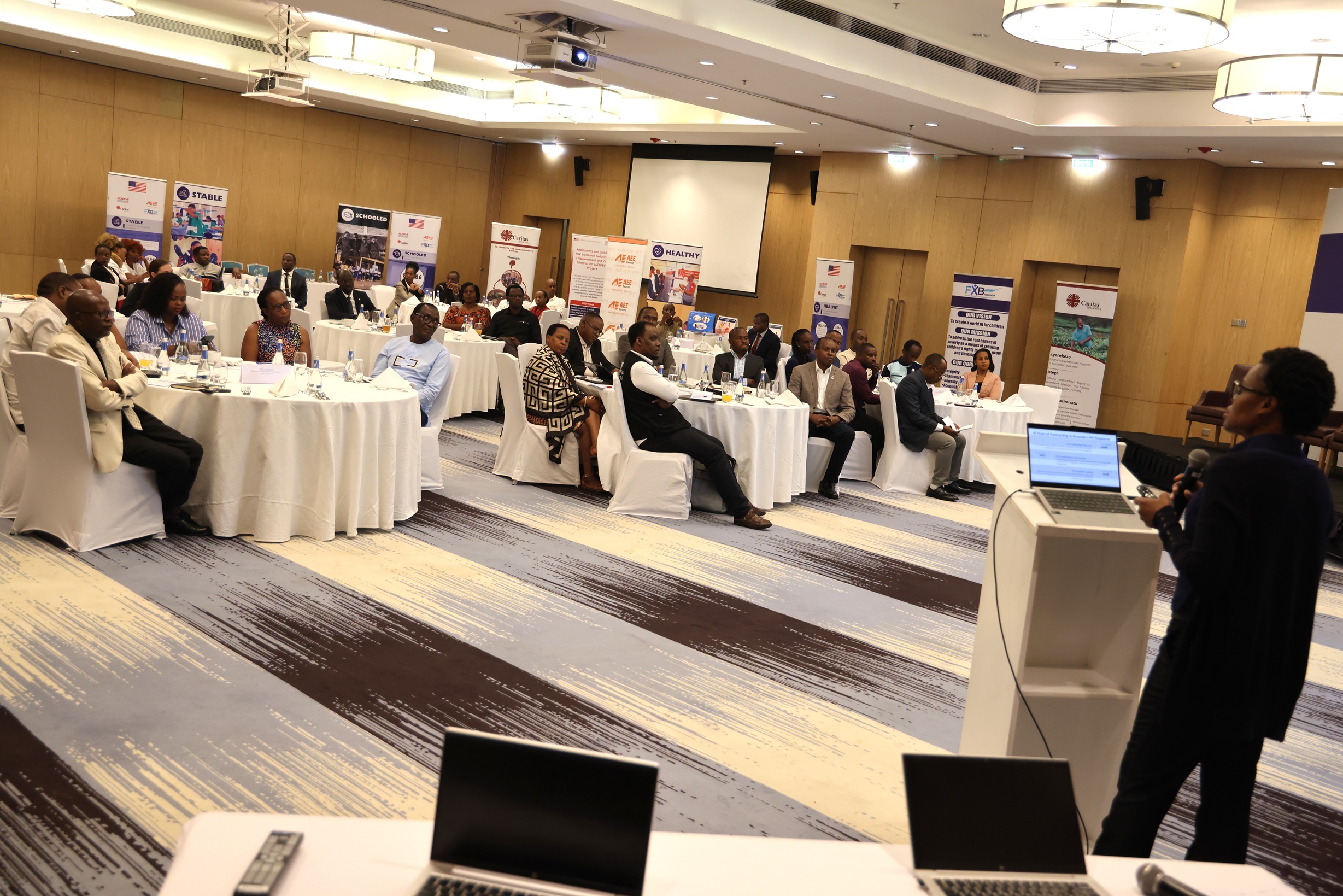
On 25th September 2026, Caritas Rwanda joined PACT/ACHIEVE, AEE Rwanda and FXB Rwanda for the PACT/ACHIEVE and IGIRE Implementing Partners’ Legacy and Learning Event, held at Kigali Marriott Hotel under the theme “Sustaining HIV Outcomes Through Local Ownership.”

The event brought together Rwanda and U.S. government representatives, implementing partners, community actors and other stakeholders to celebrate achievements, share lessons learned and discuss sustaining community HIV services under Government leadership.

Supported through the U.S. Government’s PEPFAR funding, ACHIEVE and IGIRE have contributed to HIV prevention, care and treatment, education, protection and economic strengthening across 11 districts, reaching children, adolescents, caregivers and vulnerable households.
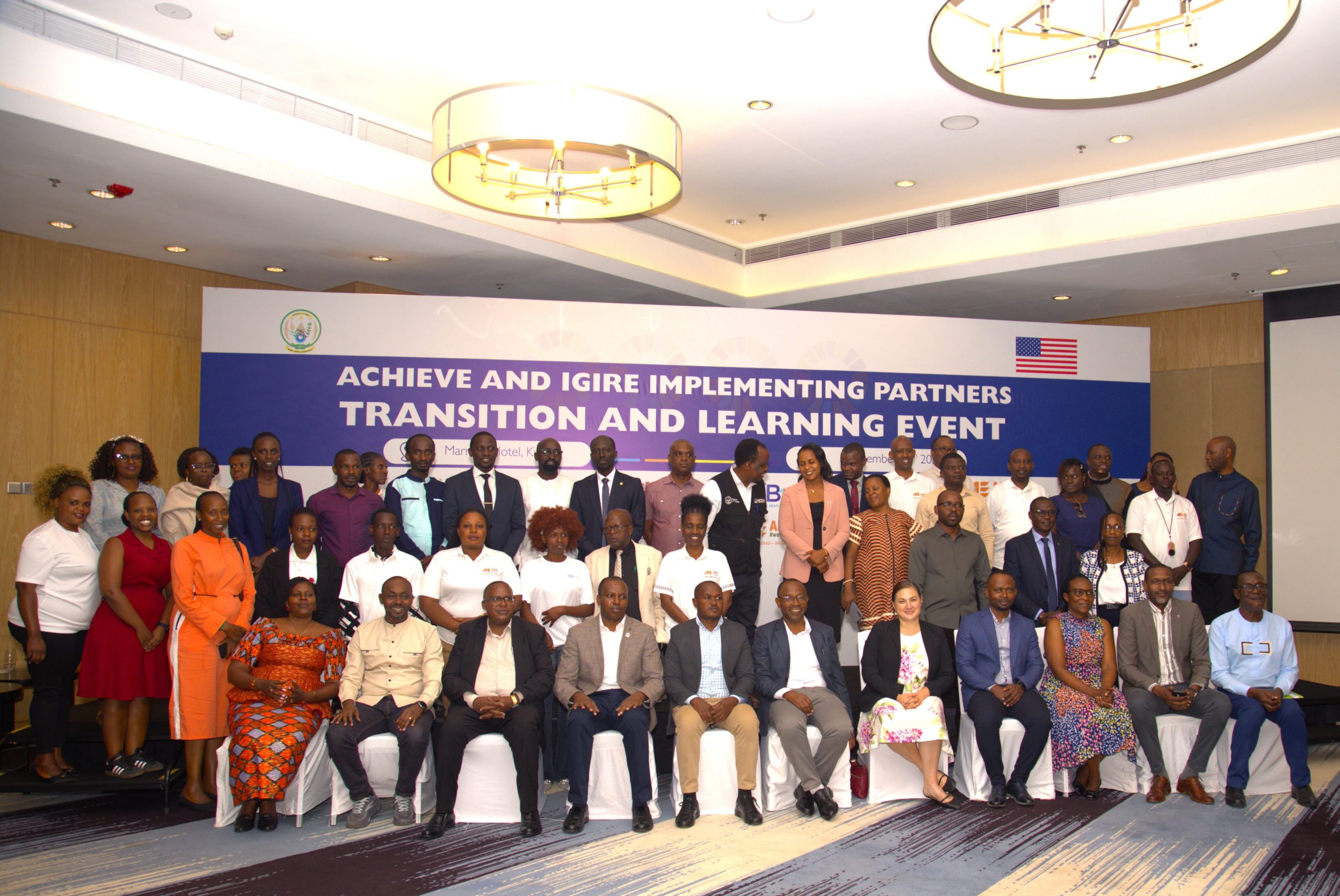
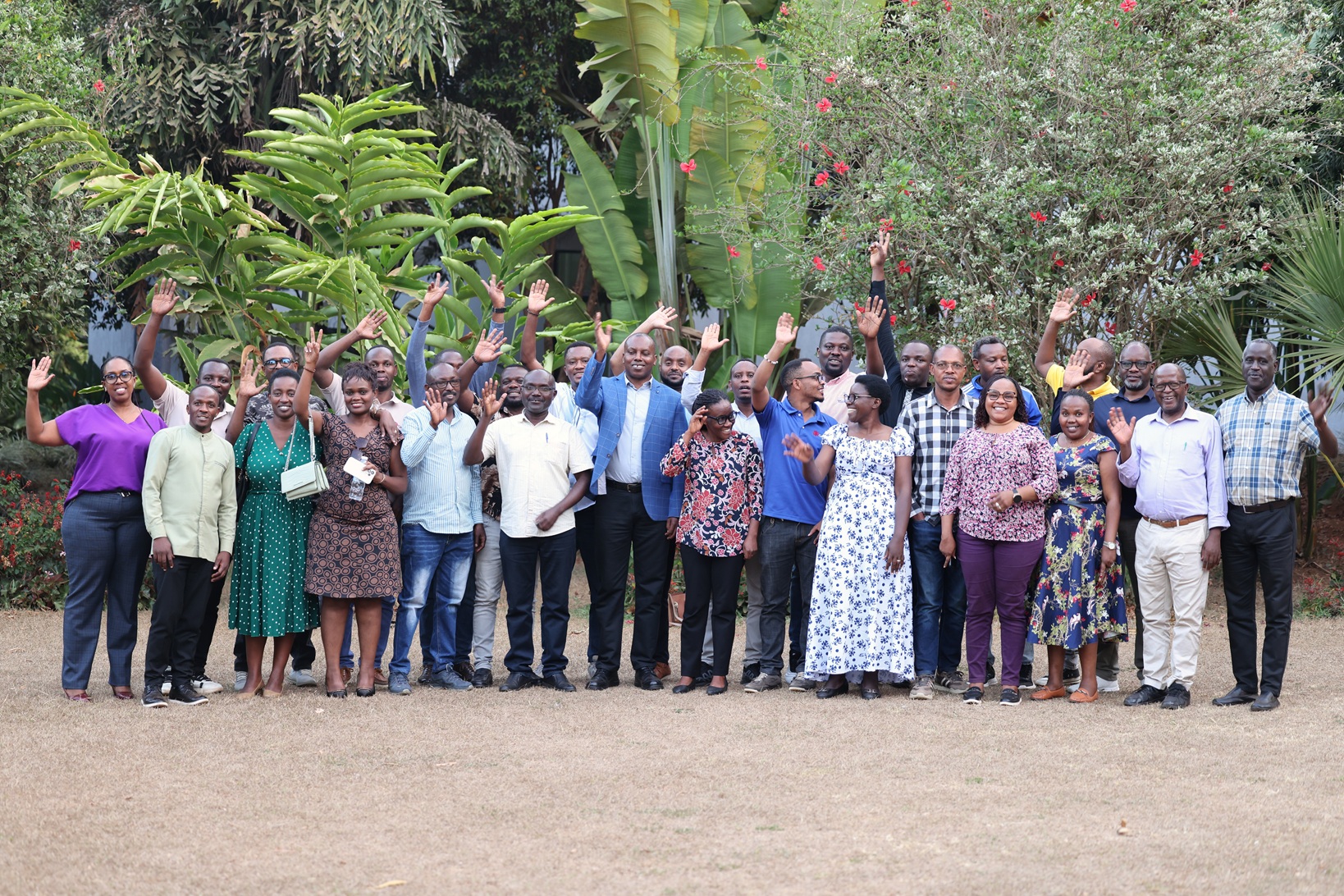
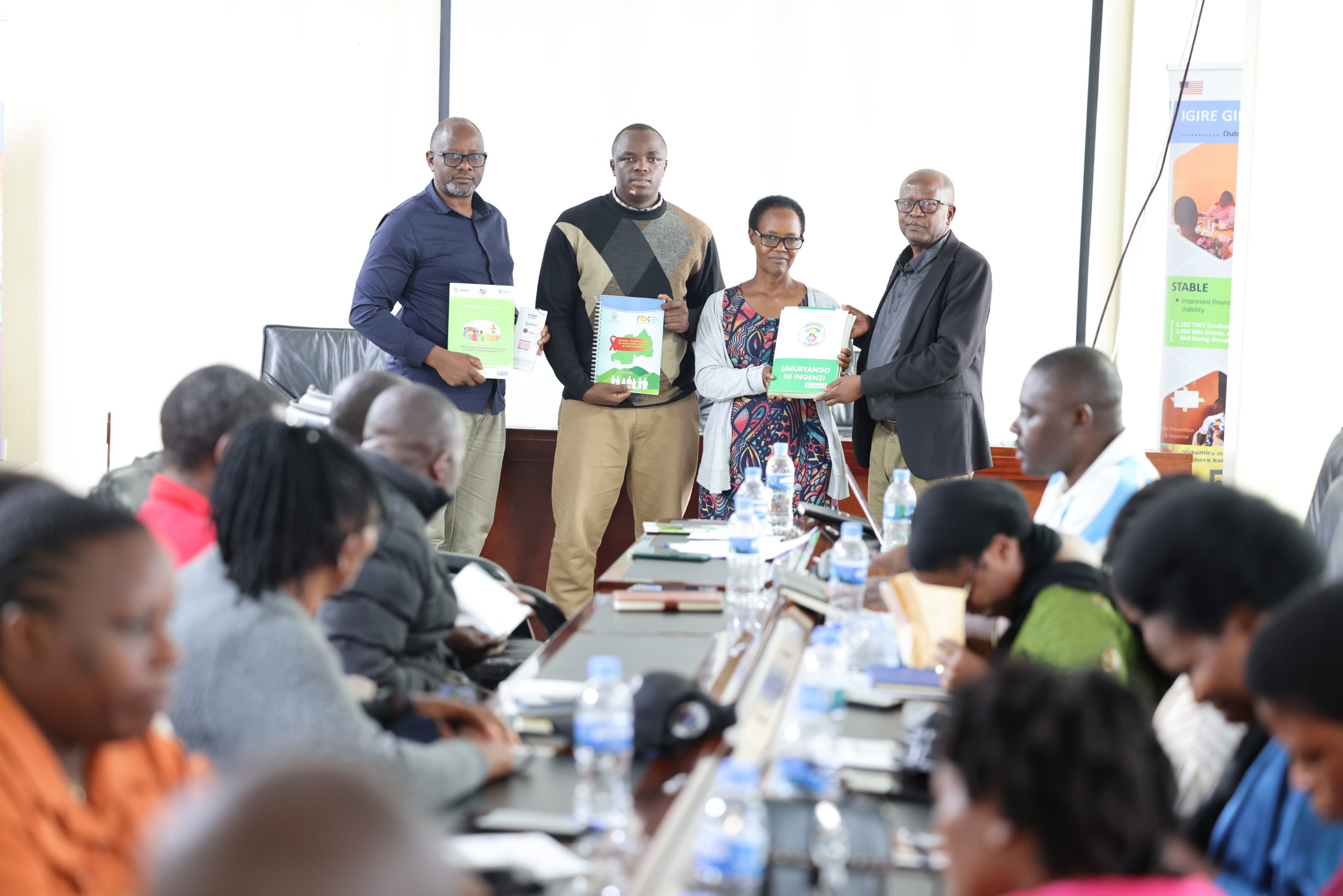
Partners and stakeholders who attended the PACT/ACHIEVE and IGIRE Implementing Partners’ Legacy and Learning Event.

Through the Health component, 193,794 children and caregivers were reached with health, education, protection and economic-strengthening services. Among those living with HIV, 90,879 children, adolescents and caregivers were supported to remain on ARV, while 87,072 achieved viral-load suppression.

Under the Schooled component, 81,386 vulnerable children and adolescents were supported to enroll, remain and progress in school, including 55,562 primary-school learners and 25,824 secondary-school learners.
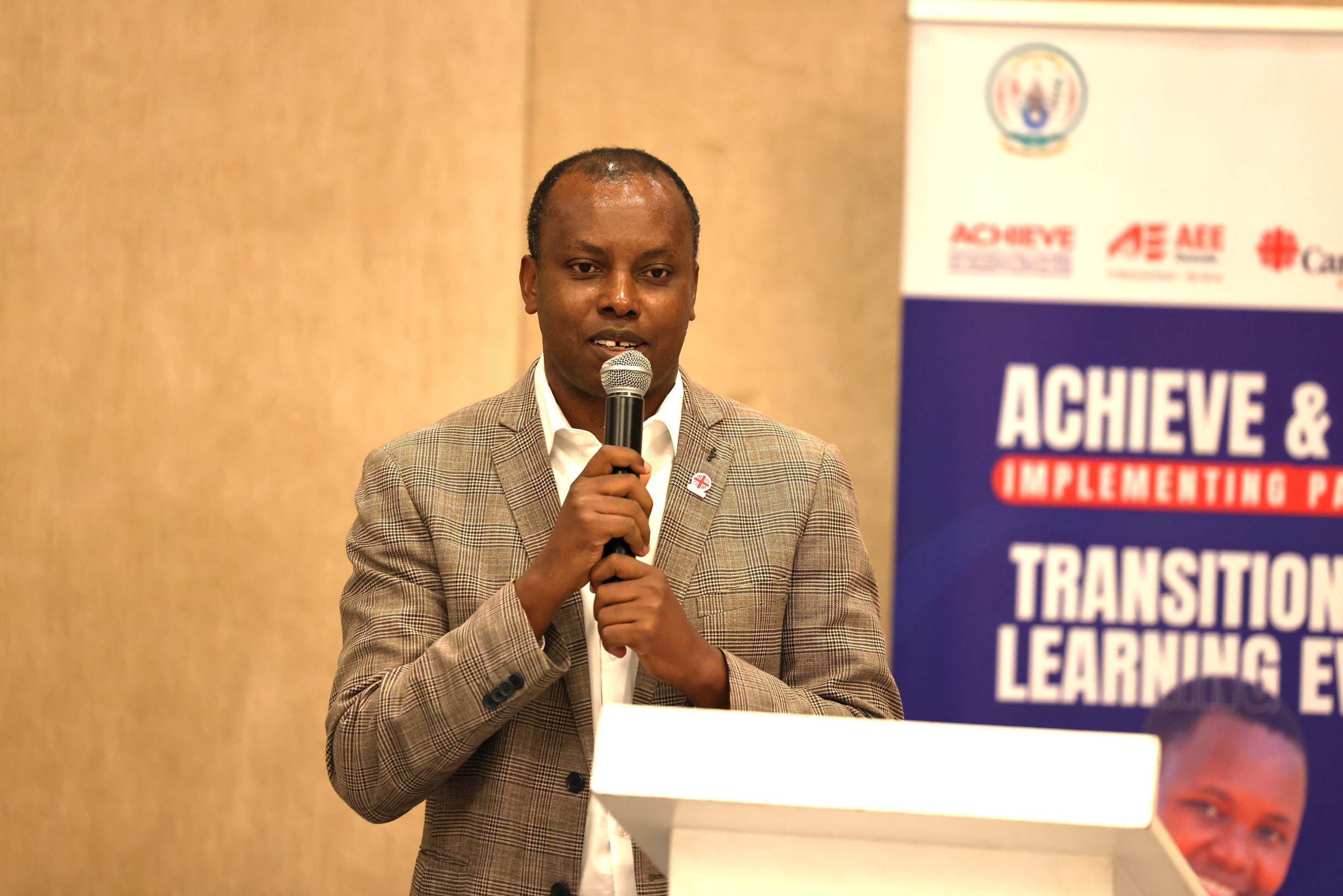
Father Oscar Kagimbura, Secretary General of Caritas Rwanda, delivering his speech as the Guest of Honor during this event.

The Safe component strengthened protection and violence prevention, reaching 172,428 adolescent girls and young women with sexual and reproductive health and rights services and 116,372 community members through gender-based violence prevention and social-norms-change interventions. In addition, 447 safe spaces were established to provide adolescent girls and young women with mentoring, information and peer support.

Through the Stable component, 5,942 youth acquired technical skills through TVET and received support to start income-generating activities. The programmes also supported 2,427 Internal Savings and Lending Groups, while 13,737 vulnerable households received cash grants to meet priority needs and strengthen livelihoods.

As ACHIEVE and IGIRE conclude their HIV service delivery activities in September 2026, the event provided a platform to reflect on these achievements and lessons learned and discuss the transition of community HIV programming to Government leadership.
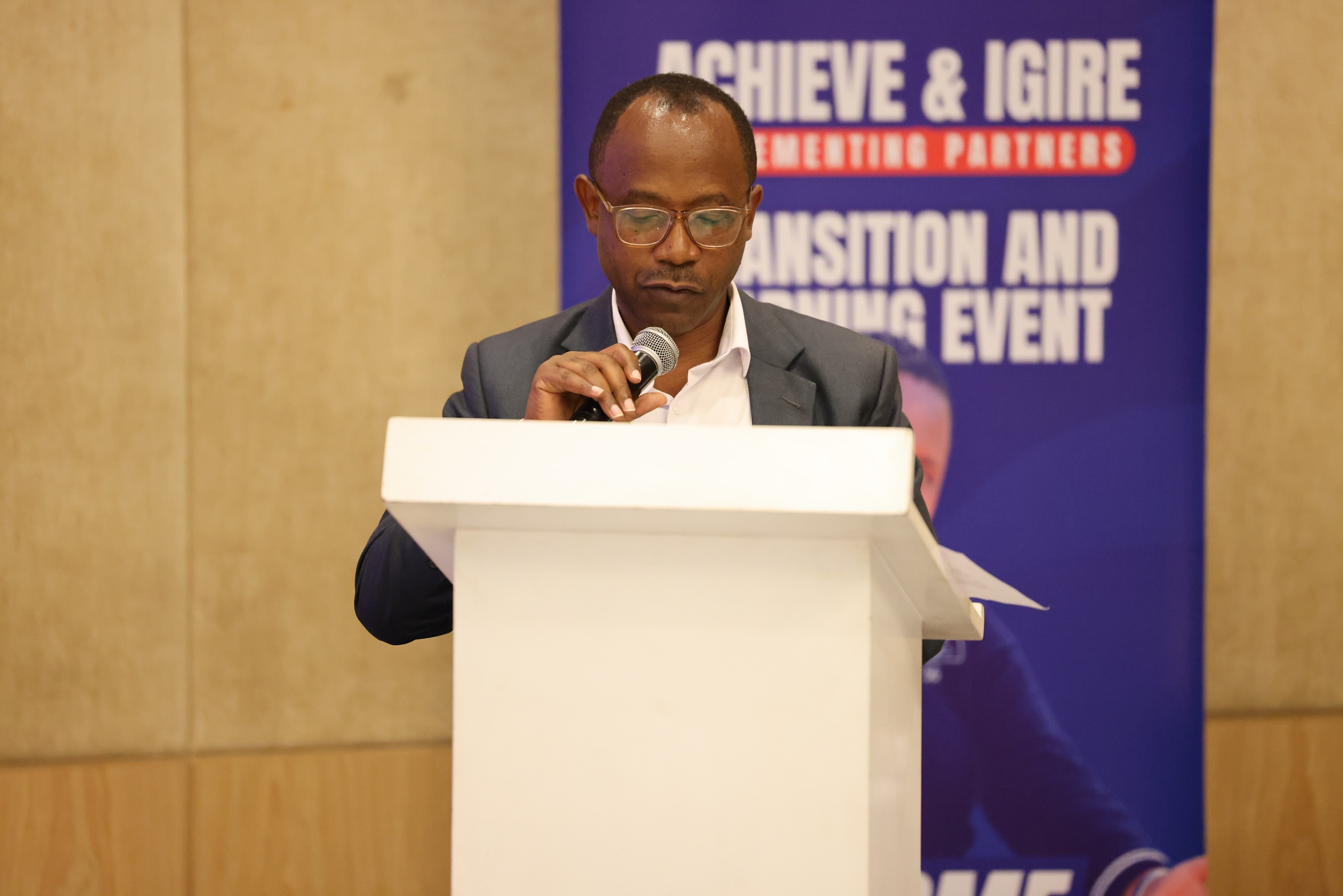
Mr. Esron Niyonsaba, spoke on behalf of the USA Governement.

For Caritas Rwanda, the event was an opportunity to reflect on its contribution to IGIRE, share implementation experiences and reaffirm its commitment to collaboration and local ownership.

The discussions highlighted the importance of strong community systems, collaboration and Government leadership in sustaining HIV services and the gains achieved through community-based programming.

The event therefore served not only as a reflection on achievements, but also as a platform to strengthen collective commitment to sustaining HIV outcomes through local ownership.
September 23, 2026

From 15 to 18 September 2026, Caritas Rwanda’s Igire-Gimbuka Program brought partners and stakeholders together across Rubavu, Nyamasheke, Karongi and Rutsiro Districts for a series of Transition and Learning Events held under the theme “Sustaining HIV outcomes through local ownership”, providing an opportunity to celebrate progress, share lessons and reflect on how to sustain HIV outcomes beyond the program close-out.

The first event was held in Rubavu District on 15th September 2026, followed by gatherings in Nyamasheke (September 16), Karongi and Rutsiro (September 18). Across the four districts, the events created a platform for partners and stakeholders to exchange experiences, highlight lessons learned and strengthen collaboration around the sustainability of HIV interventions.

Implemented from October 2022 to September 2026, the Igire-Gimbuka reached 68,299 children and caregivers with a range of services designed to address health, education, economic and protection needs.

Strengthening HIV health outcomes

Under the health component, 14,775 people were educated on HIV and linked to prevention services, including HIV testing.

The program also supported 11,912 people living with HIV, including 1,206 children and adolescents living with HIV aged 0–20, with adherence counselling, regular follow-up and psychosocial support.

Igire-Gimbuka also provided psychosocial support to children and adolescents living with HIV, people living with HIV and survivors of gender-based violence, while 25 adherence peer-support groups were strengthened and supported.

One of the notable health outcomes was the achievement of 98.5% viral load suppression, reflecting the importance of continued adherence support and follow-up for people living with HIV.

Supporting children to remain in school

Education was another important area of intervention. A total of 6,550 school-age orphans and vulnerable children (OVC) were supported and consistently monitored for school attendance and performance, achieving 100% regular attendance.

The program provided school fees to 1,121 learners, while all supported learners received essential scholastic materials, including school bags, pens and notebooks. Girls were also provided with sanitary pads to support them during menstruation.

These interventions helped address some of the barriers that can affect children’s participation and continuity in education.

Strengthening household economic resilience

Recognizing the link between household economic well-being and the ability of families to support children and maintain access to essential services, Igire-Gimbuka invested in economic strengthening.

A total of 260 participants received Technical and Vocational Education and Training (TVET) support, including six-month training fees and materials, three-month apprenticeships and start-up kits.

The program also provided grants to 899 households to strengthen income-generating activities, benefiting 4,875 household members.

In addition, 218 savings groups, comprising more than 6,275 members, received financial literacy support and were linked to financial institutions, including banks and microfinance institutions.

Among adolescents considered most at risk, including teen mothers, 327 received small-animal support valued at RWF 50,000 each to contribute to their economic strengthening.

Strengthening protection and safe environments

Igire-Gimbuka also focused on creating safer environments for children, adolescents and families.

A total of 890 survivors of gender-based violence (GBV) received psychosocial support services, while 153 teen mothers and their parents participated in GBV mobile clinics.

The program reached 1,453 caregivers with positive parenting messages aimed at improving child-parent communication, including 100 caregivers reached through FMP.

To strengthen community-based prevention and response, 613 IZU were trained on HIV prevention, child protection, GBV prevention, case reporting and first-line support to GBV survivors.

Meanwhile, 6,385 children aged 10–17 participated in preventive programs covering areas including sexual and reproductive health and rights (SRHR), CBIM and FMP.

From achievements to sustainability

The Transition and Learning Events held in Rubavu, Nyamasheke, Karongi and Rutsiro provided an opportunity for partners and stakeholders to look back on these achievements, share experiences and lessons learned, and discuss how to sustain the gains made.

District officials attending these meetings commended Caritas Rwanda for the achievements of the Igire-Gimbuka Program and urged the organization to keep the residents of their respective districts in mind when planning future projects.

As Igire-Gimbuka reaches the end of its implementation period, the transition process emphasizes the importance of local ownership, collaboration and locally led approaches in sustaining HIV outcomes.

September 16, 2026

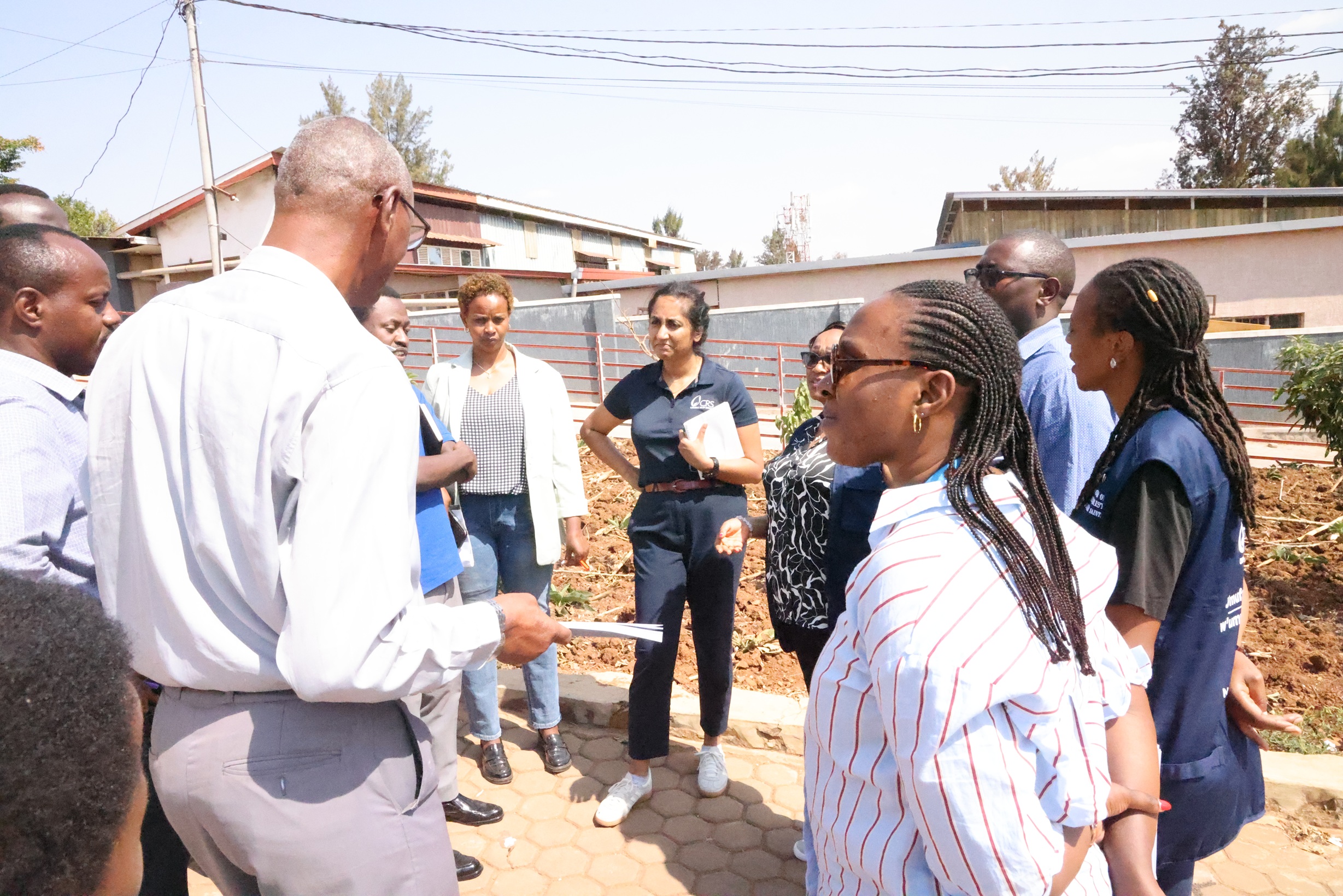
Caritas Rwanda, CRS and government partners conducted joint monitoring visits in Rulindo, Nyarugenge and Kayonza to assess STRONGER Project interventions supporting adolescent nutrition. The visits highlighted progress, good practices and the importance of collaboration, quality documentation and evidence-based action.

Catholic Relief Services (CRS), Caritas Rwanda and government partners, including the Ministry of Local Government, Ministry of Education, National Child Development Agency (NCDA) and Rwanda Biomedical Centre (RBC), conducted joint monitoring visits on 9th and 10th September 2026, to assess the implementation of interventions under the STRONGER Project supporting adolescent girls and young women.

The monitoring visits took place in Rulindo, Nyarugenge and Kayonza Districts, with the team visiting Shyorongi Health Center and Groupe Scolaire Shyorongi Impanganzi in Rulindo; Groupe Scolaire Saint Michel Indahangarwa in Nyarugenge; and Groupe Scolaire Gishanda and Cyarubare Health Center in Kayonza.

Linking schools and health facilities to improve adolescent nutrition

Among the key interventions implemented by the STRONGER Project is strengthening the link between health facilities and schools to ensure that adolescent girls receive appropriate nutrition support.

Through this collaboration, adolescent girls are assessed to determine their nutritional status. Those identified as experiencing malnutrition or other nutrition-related challenges are referred for appropriate support and follow-up to help them improve their nutritional wellbeing.

The project also supports schools with hygiene supplies for Girls’ Rooms, complementing the supplies provided by the Government. These rooms provide adolescent girls with a safe and supportive space where they can manage their menstrual hygiene, particularly when their periods begin unexpectedly while they are at school.

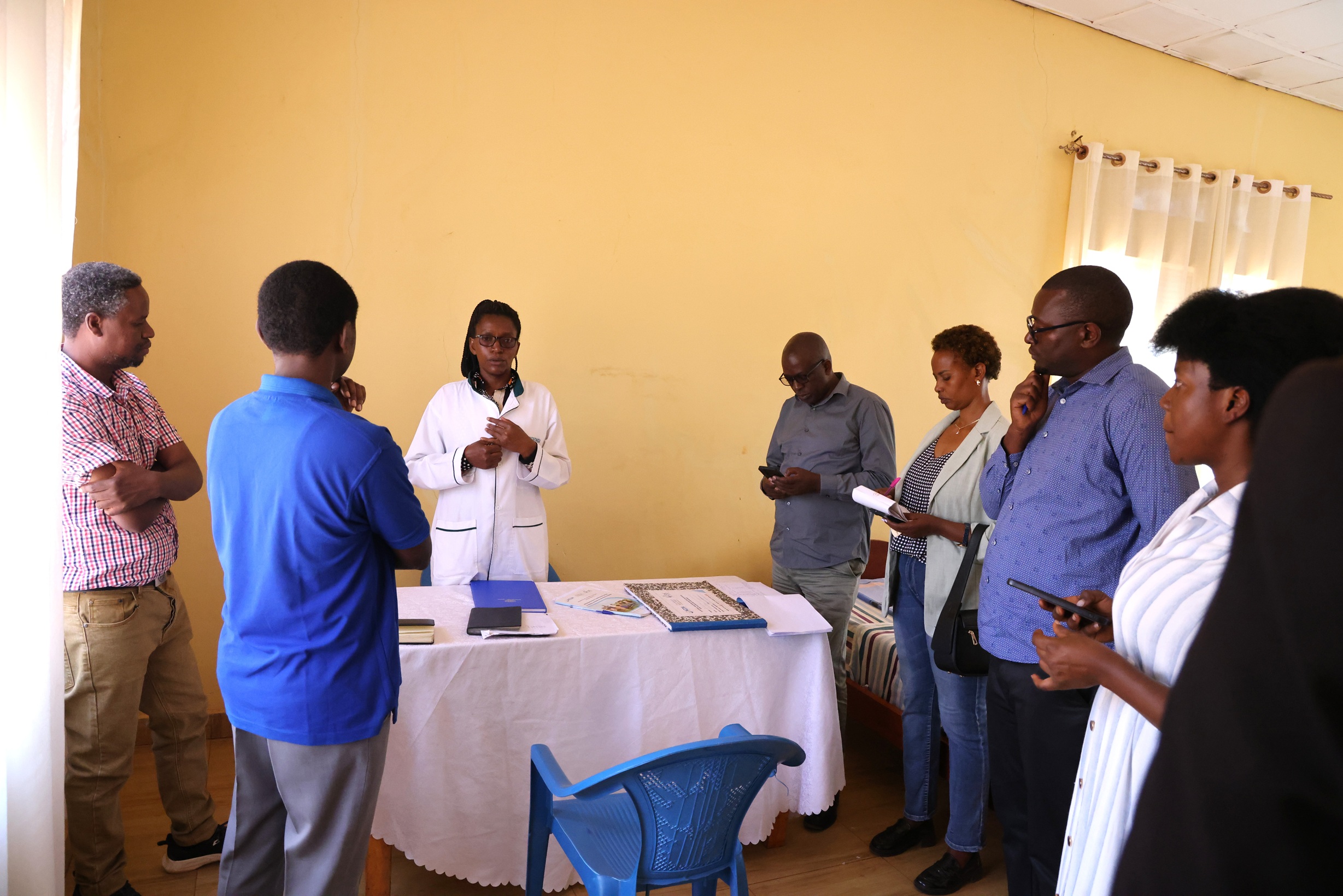
During the monitoring visits, the team observed how Girls’ Rooms are being used by students. Depending on their needs, girls can wash themselves, change sanitary pads and clothing, when necessary, receive pain-relief tablets if available, and rest for a short period before returning to class.

The monitoring team also reviewed the records kept in Girls’ Rooms to assess whether information on students receiving services was properly documented.

The monitoring team visiting the Girls’ Room at Groupe Scolaire Shyorongi Impanganzi in Rulindo.

Promoting healthy food environments at school

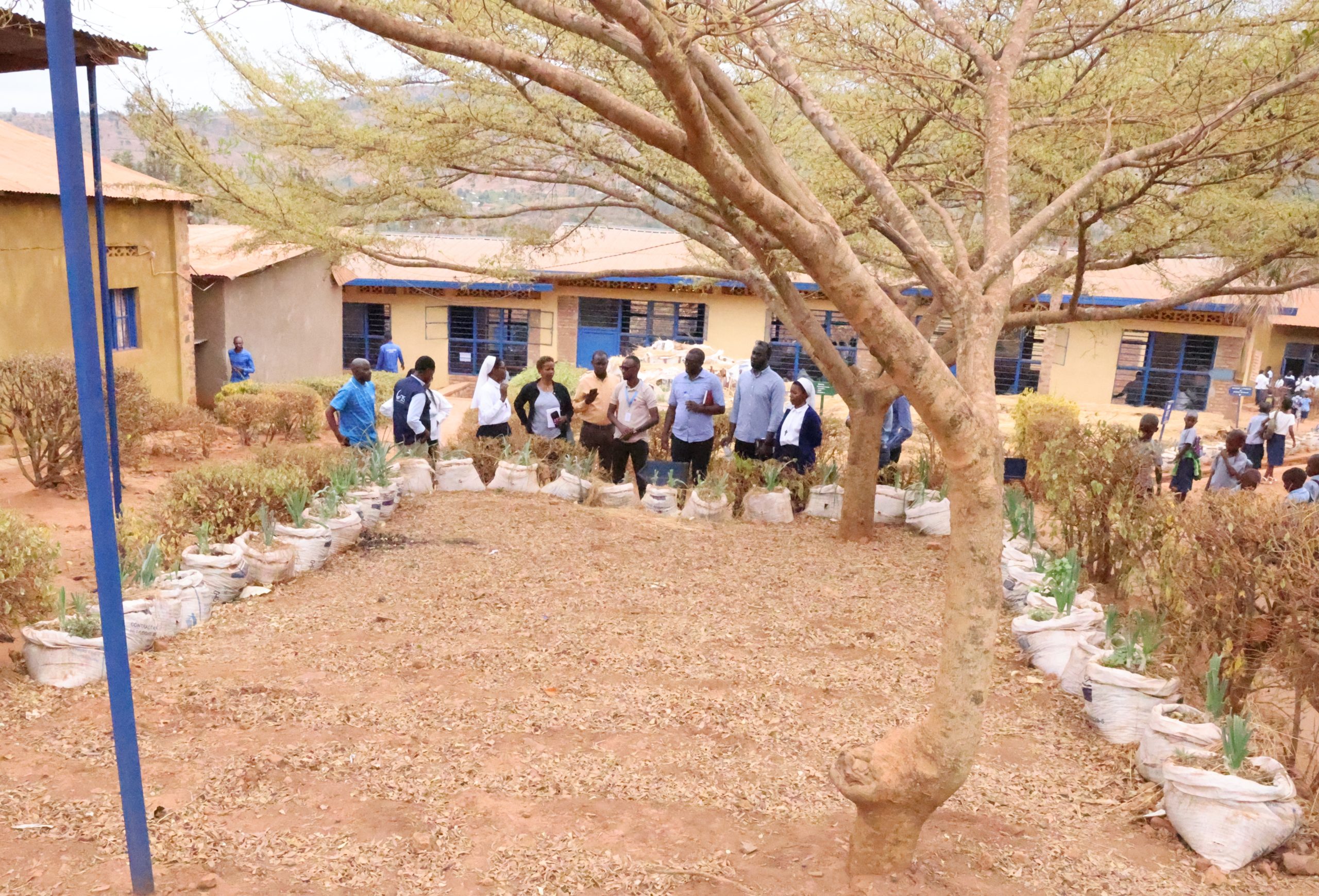
The STRONGER Project also provides schools with vegetable seeds and fruit tree seedlings to support school gardening and promote access to nutritious foods. Schools plant and care for the vegetables and fruit trees, contributing to a healthier food environment for students and providing practical opportunities to promote nutrition.

At health facilities, the monitoring team reviewed how nutritional assessments of girls attending schools and those reached through community platforms were recorded. Proper documentation of these assessments is important for tracking the nutritional status of adolescent girls and ensuring that those who need support can be appropriately followed up.

The visiting team observing the Groupe Scolaire Gishanda’s vegetable garden. The seeds were provided by the STRONGER Project.

Learning from implementation

The joint monitoring visits provided an opportunity for partners to review progress, exchange good practices, identify implementation gaps and agree on actions to improve the quality and sustainability of nutrition interventions.

Partners commended the relevance of the STRONGER Project interventions in supporting adolescent girls and young women. They also highlighted the importance of strengthening documentation of all students receiving services through Girls’ Rooms, particularly to ensure that every girl who receives support is properly recorded.

The lessons and recommendations from the visits will guide partners in strengthening implementation, improving documentation and ensuring that adolescent girls and young women continue to receive quality, responsive and evidence-based nutrition support.

September 1, 2026

As the Igire-Gimbuka Program approaches the end of its implementation period, Caritas Rwanda created an opportunity for staff to pause, reflect, reconnect and celebrate their contribution. This included a wellbeing and stress management session, as well as friendly matches between Igire-Gimbuka and Caritas Rwanda teams, from 27th to 28th August 2026 in Kigali.

The wellbeing and stress management session took place at the Convent of the Carmelite Sisters in Nyamirambo on 27th August 2026, while the football and volleyball matches held at Mumena Sport Playground on 28th August 2026.

The first day focused on wellbeing and stress management. Staff reflected on what causes stress, how they recognize its signs and the different ways they cope with pressure. The discussion highlighted that stress can come from work demands, uncertainty about employment and challenges in family life.

A key message was the importance of having someone trustworthy to talk to during difficult moments (called “mingo”). Staff were encouraged to maintain supportive relationships with colleagues, friends and family members as an important source of strength and resilience.

Recognizing the people behind the results

During the session, certificates of appreciation were presented to staff across different roles. Each staff member was personally recognized for their commitment, strengths and contribution to the program.

The recognition reminded staff that behind every program achievement are people whose dedication and hard work make results possible.

Caritas Rwanda, a family

Father Oscar Kagimbura, the Secretary General of Caritas Rwanda joined the closing session and thanked Igire-Gimbuka staff for their contribution.

He described Igire-Gimbuka as one of Caritas Rwanda’s largest and most impactful programs, highlighting its contribution to vulnerable communities and to the growth of the organization.

He encouraged staff to manage stress positively and reminded them of the importance of prayer and faith in everyday life. “God is never absent and never late; it is people who are impatient”, he emphasized.

He also reminded staff that Caritas Rwanda is like a family, assuring them that even when contracts end, their connection with the organization remains.

Building stronger teams through sport

The second day brought staff together at Mumena Sport Playground for friendly football and volleyball matches involving colleagues from different Caritas Rwanda programs.

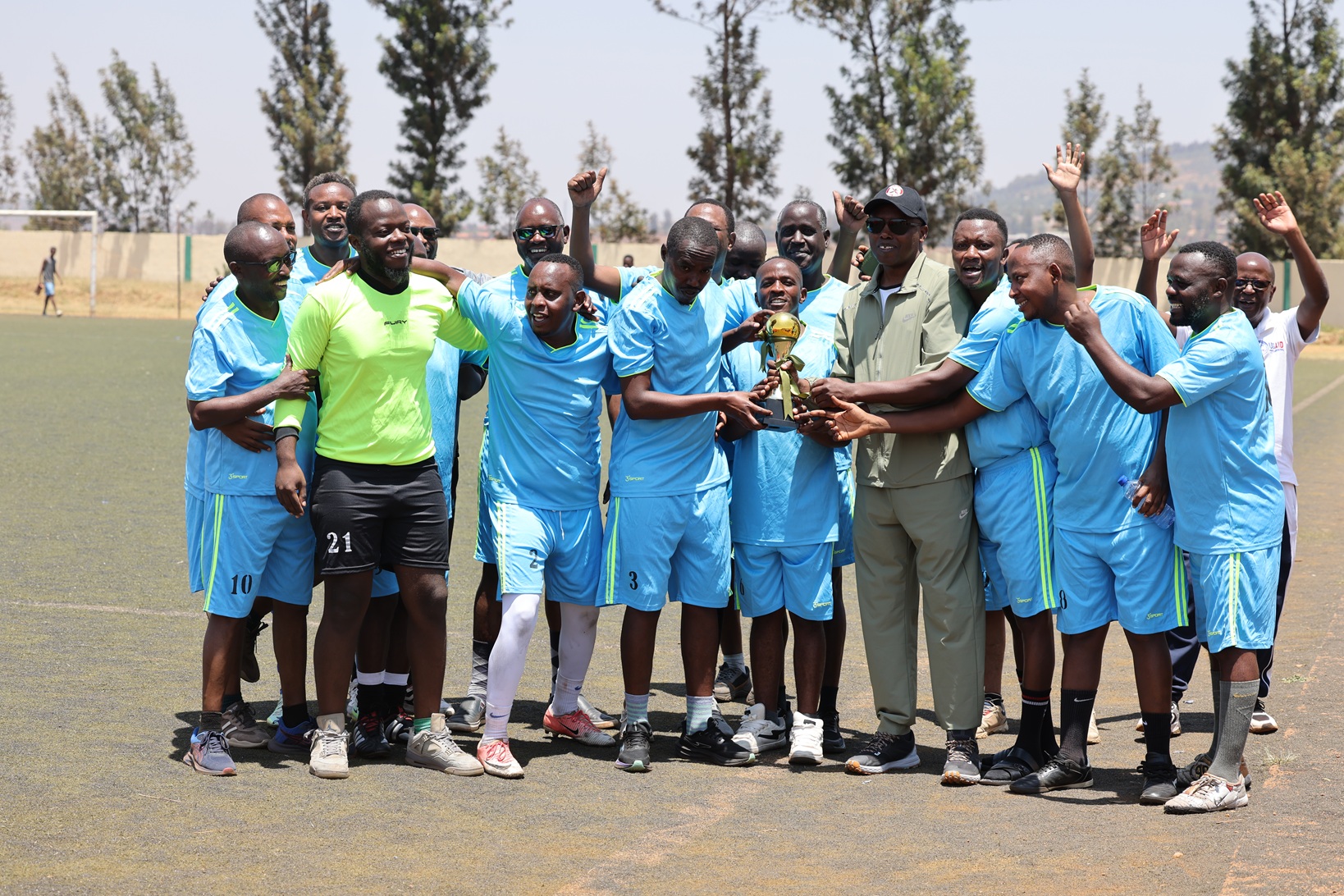
In football, the Igire-Gimbuka team secured a 2–1 victory over the Caritas Rwanda team.

The Igire-Gimbuka football club, celebrating the victory.

In volleyball, Caritas Rwanda came out on top, winning 2–0 sets against the Igire-Gimbuka team.

Beyond the scores, the matches provided a great opportunity to strengthen teamwork, build trust, foster connections and create shared experiences among colleagues.