
August 31, 2026

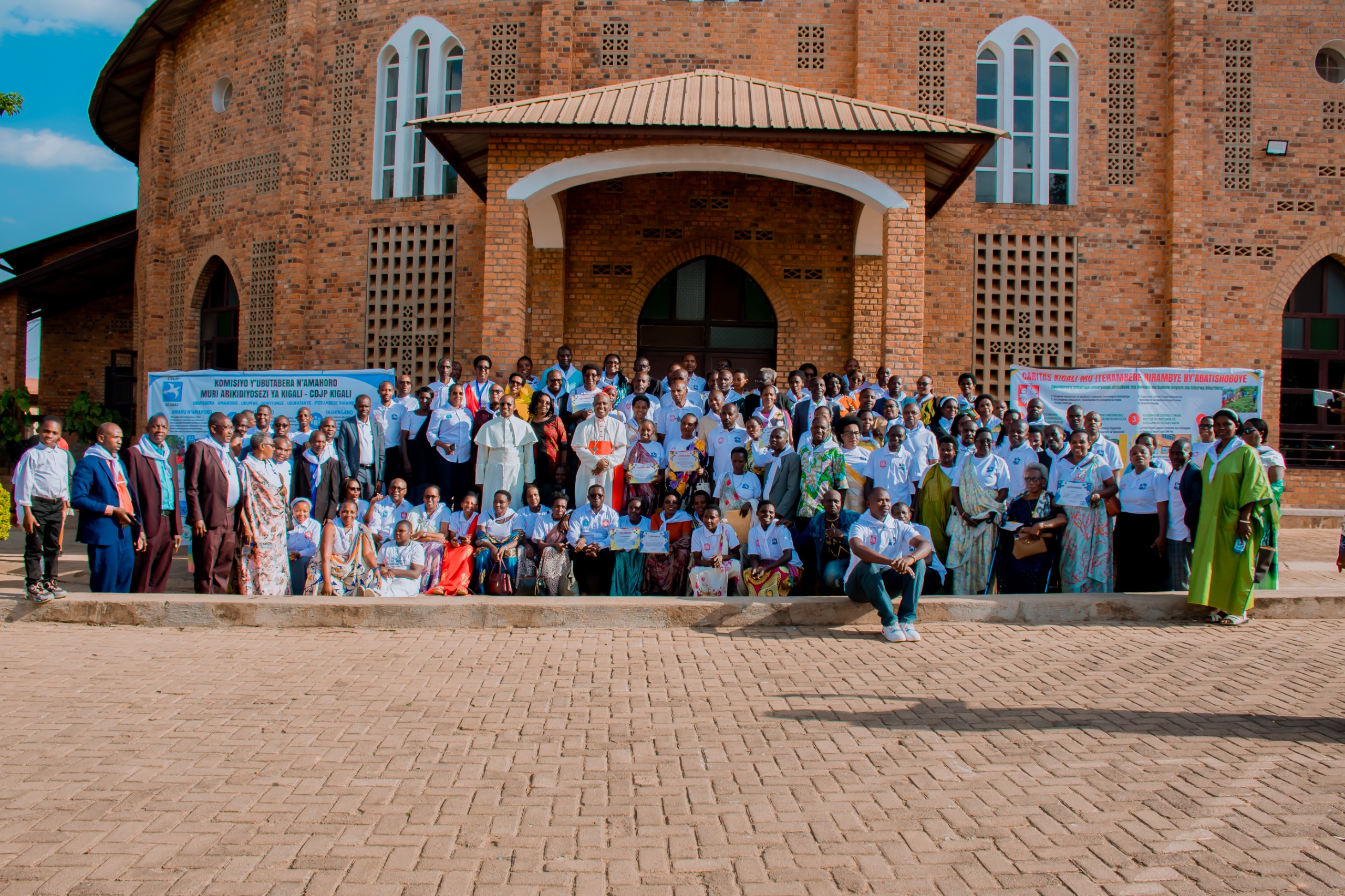
On Sunday, 30 August 2026, Caritas of the Archdiocese of Kigali celebrated the 50th anniversary of Caritas and the Justice and Peace Commission. The celebrations began with a Thanksgiving Mass celebrated at the Sainte Famille Church in Kigali.

In his homily, His Eminence Antoine Cardinal Kambanda emphasized that Caritas does not rely solely on the support of wealthy people. He noted that people who themselves experience the challenges of poverty are also capable of pooling their modest resources to support others going through difficult times.

“No one is so poor that they have nothing to give to their neighbour. Even a vulnerable person can offer you words of encouragement or pray to God for you, so that what they are unable to do for you, God may accomplish,” said His Eminence Antoine Cardinal Kambanda.

Addressing the healthcare issue, Cardinal Kambanda said that more than three million people have received care through the three hospitals and 16 health centres of the Archdiocese of Kigali, which are supervised by the Health Department of Caritas Kigali.

He also expressed his appreciation to the Government of Rwanda for strengthening the Community-Based Health Insurance scheme (Mutuelle de Santé), thereby facilitating access to healthcare for the population. He recalled that Caritas Kigali had previously piloted a similar approach, particularly by facilitating access to affordable ambulance services for members of the Community-Based Health Insurance scheme. The Government later expanded this approach to the entire population and to a wider range of health services.

The jubilee celebrations also provided an opportunity to honour all those who have contributed to the work of Caritas Kigali over the past five decades. They include bishops, priests, consecrated persons, the faithful, volunteers, partners, public institutions, and all those who have contributed to ensuring that the message of love, justice and peace reaches communities.

The offering collected during the Thanksgiving Mass marking the 50th anniversary of Caritas Kigali will be dedicated to constructing a home for a family who doesn’t have decent house. Over the years, Caritas Kigali has placed particular emphasis on supporting people without adequate shelter, including through the construction of houses that enable them to live in more dignified conditions.
August 26, 2026

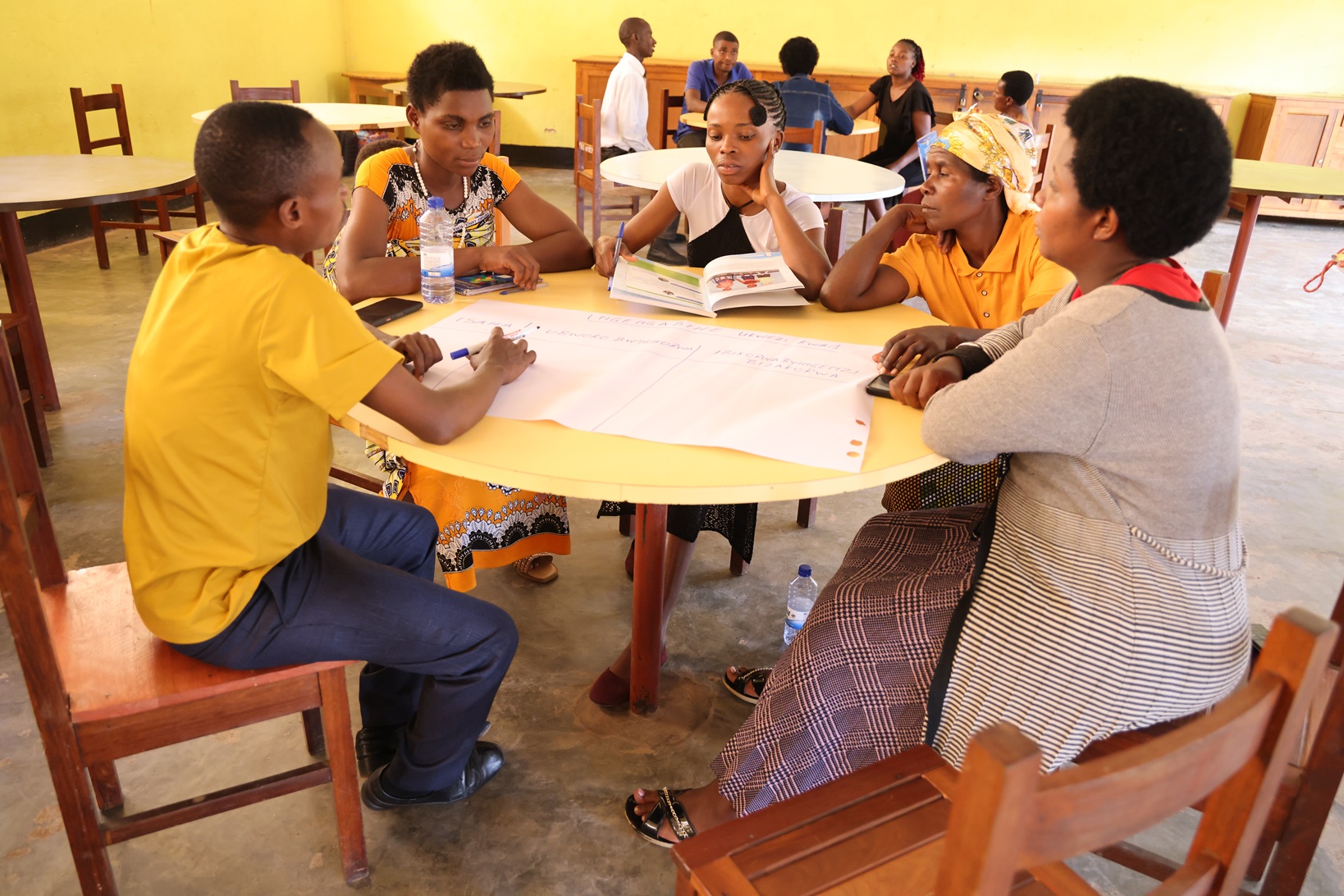
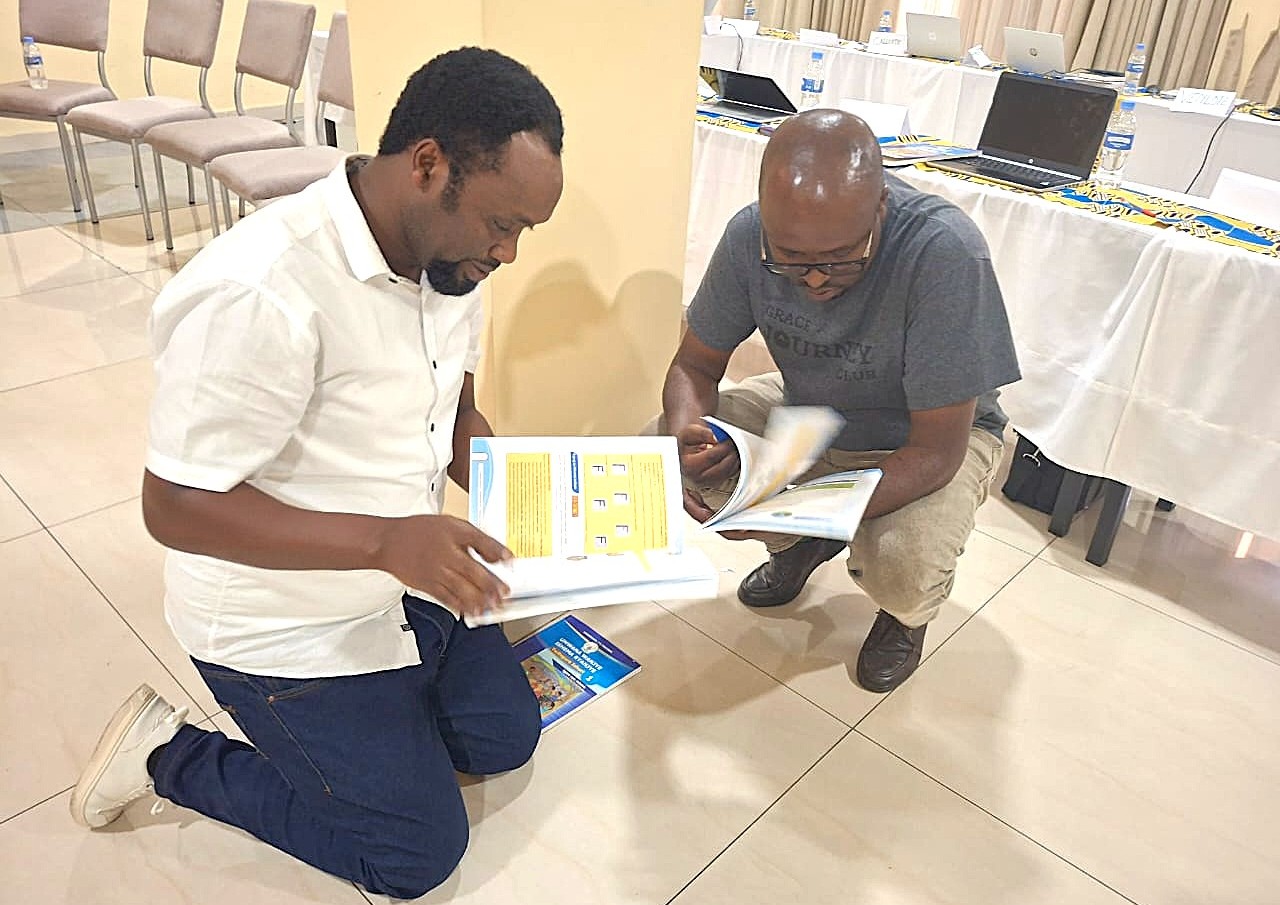
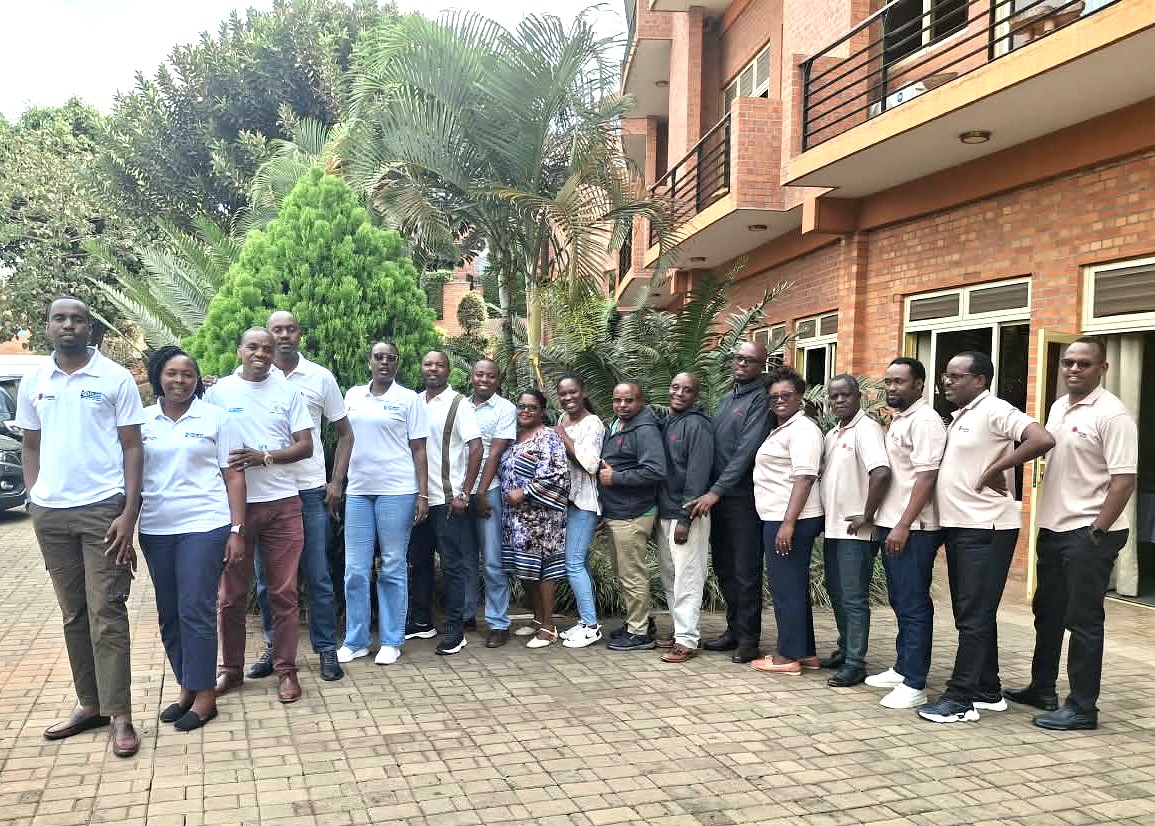
Fifteen staff members from the Caritas Rwanda ECD-based projects Project have strengthened their knowledge and practical skills in Early Childhood Development following a five-day capacity-building workshop held from 17 to 21 August 2026 at Sainte Famille Hôtel in Nyarugenge District.

This training was initiated by Caritas Rwanda’s ECD Project, funded by Plan International Rwanda. The training focused on strengthening participants’ understanding and application of Twitegure Ishuri Volumes 2 and 3, the pre-primary Competence-Based Curriculum (CBC), teaching and learning strategies, pedagogical tools, daily ECD routines, and appropriate assessment approaches.

Using participatory methods, including group discussions, practical exercises, demonstrations, micro-teaching, brainstorming, and indoor and outdoor activities, the training enabled participants to connect theory with practical ECD implementation.

Group photo – the participants and their trainers.

The impact of the training was reflected in the assessment results. The average score increased from 9.3/15 (61.8%) before the training to 12.1/15 (80.4%) after the training, representing an improvement of nearly 30%. The lowest score also increased from 6/15 to 10/15, with one participant achieving a perfect score of 15/15.

By the end of the workshop, participants were better equipped to facilitate community-based ECD activities, understand the CBC and its key components, distinguish different pre-primary education tools, and apply ECD standards to support holistic child development.

Participants noted that five days were not sufficient to cover the CBC in depth, particularly as it was their first CBC-focused training. A refresher training is therefore recommended in the next quarter to consolidate the knowledge and skills gained during the workshop.

After the training, the staff began cascading their knowledge to caregivers in home-based ECD centres and the projects they work with, from 24 to 27 August 2026.

Cascading training on Pre-primary CBC to ECD caregivers in Rulindo (24 – 27 August 2026).
August 17, 2026

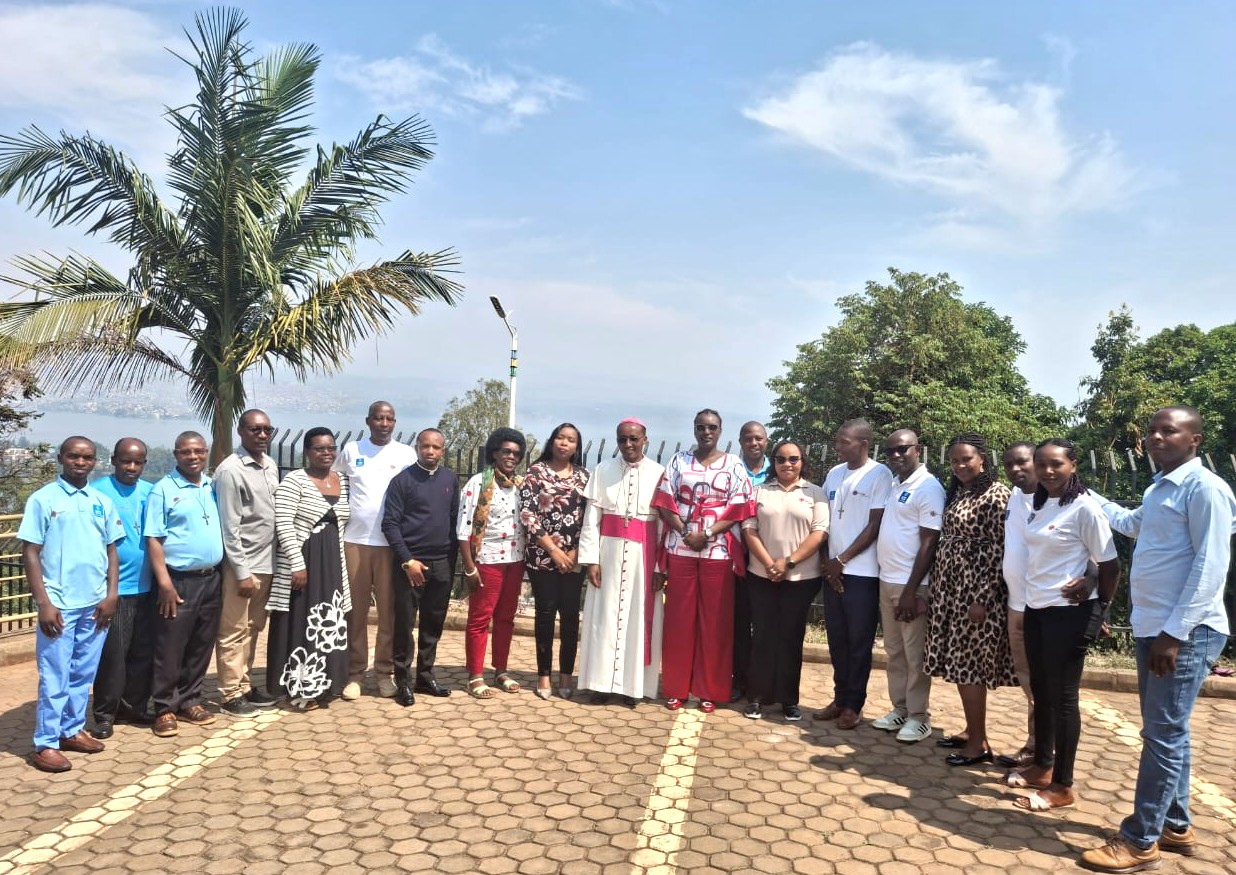
From 10th to 14th August 2026, the PEES Project organized a Training of Trainers on Reproductive Health, Gender and Safeguarding at the Incuti Pastoral Centre in Rusizi, bringing together teams from Caritas Rwanda and the Dioceses of Cyangugu and Gikongoro.

The training brought together 21 participants, including PEES Project Coordinators, Monitoring and Evaluation Officers, Moral Values Officers, accountants and Development Animators. During the three-day training, participants strengthened their knowledge and skills in reproductive health, gender and safeguarding.

The overall objective was to enable participants to better understand and prevent risks related to these areas, promote the rights and dignity of vulnerable people, and contribute to creating safe, inclusive and protective environments within the communities targeted by the programme.

The training also emphasized the role of community actors in raising awareness, providing support and protecting populations, particularly young people and vulnerable individuals.

During his visit to the participants, Monsignor Edouard Sinayobye, Bishop of the Diocese of Cyangugu, highlighted the importance of putting people at the centre of every development and solidarity action. “Helping a poor person is the greatest of gifts,” he stressed, while emphasizing the need to educate young people so that they can better understand their health and make responsible decisions.

Monsignor Edouard also emphasized that complementarity between men and women is a fundamental value for harmonious living and a balanced society.

He finally expressed his gratitude to SCCF for its support to the PEES Project, which contributes to supporting and strengthening the capacities of young people and communities.