
July 31, 2026

Thirty youth-led business groups showcased their potential in the Compete to Grow Challenge finals, with Rwf 42.6 million awarded to support their business growth. Organized by Caritas Rwanda, Caritas Kibungo and CRS Rwanda, the challenge supported young entrepreneurs to strengthen their businesses, access opportunities and build sustainable enterprises.

Thirty youth-led business groups from Goma, Kayonza and Rwamagana (10 in each district) showcased their entrepreneurial skills, innovation and determination during the final pitch of the Compete to Grow Challenge, held on 23rd, 28th and 30th    July 2026 respectly in every district.

The events were organized by Caritas Rwanda, in partnership with Caritas Kibungo and Catholic Relief Services (CRS), as part of the Gera Ku Ntego Youth Project, to support young entrepreneurs to strengthen and expand their businesses.

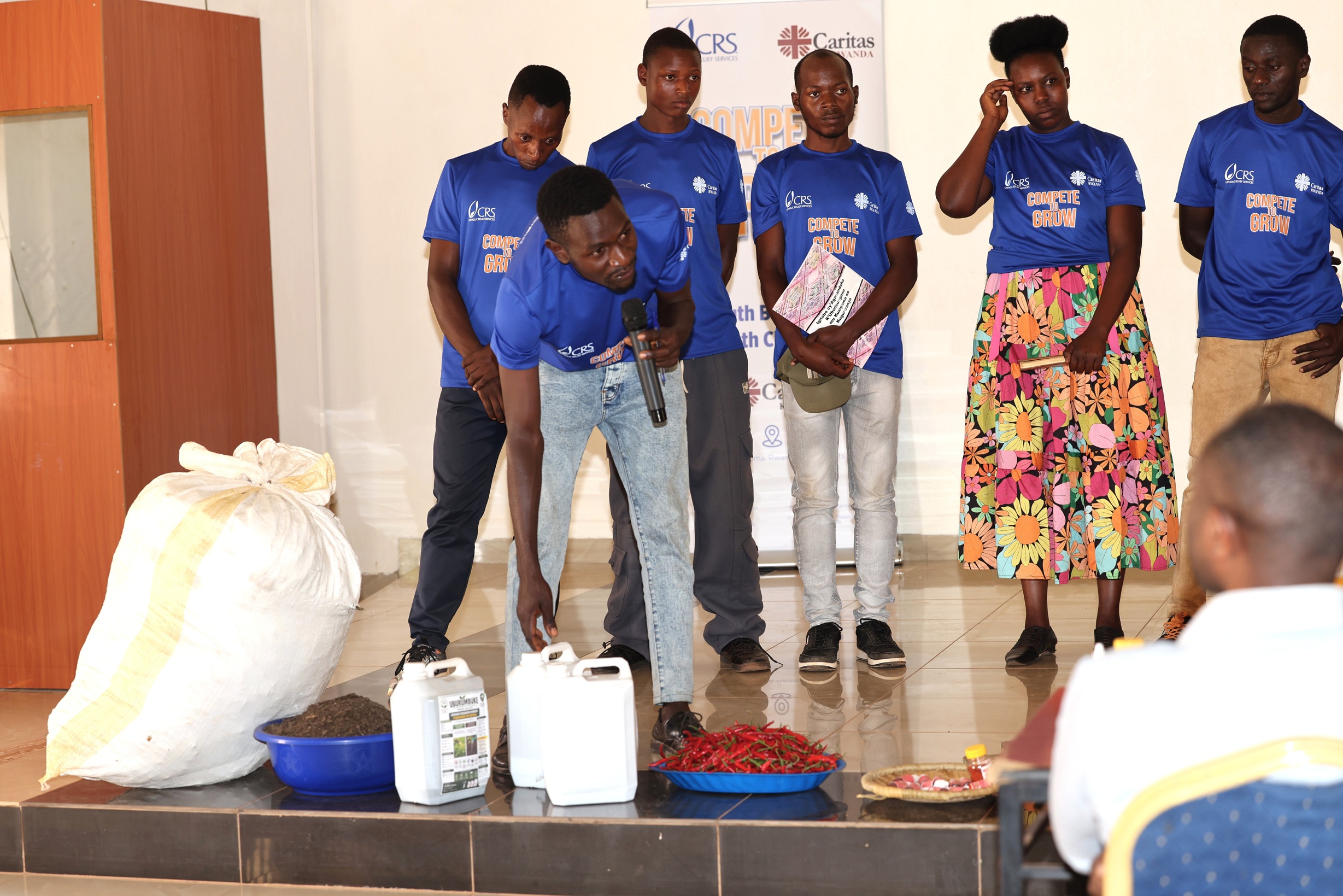
The ten finalist groups in every district presented their income-generating businesses before a panel of judges and the public, responding to questions on their business models, achievements, challenges and future growth plans.

Addressing the young entrepreneurs from Ngoma District, Chandra Kumud, Country Manager of CRS Rwanda, encouraged them to take advantage of the opportunities and support available to further grow their businesses.

“Use them to grow your businesses even further. But this is not the end. This is the beginning of your journey. Do not take your eyes off the prize.”

She urged the young entrepreneurs to remain focused and continue demonstrating the potential of their businesses in the months ahead.

Strengthening youth entrepreneurship

Representatives from various banks presented their financial products and services, highlighting opportunities available to young entrepreneurs to access finance and grow their businesses.
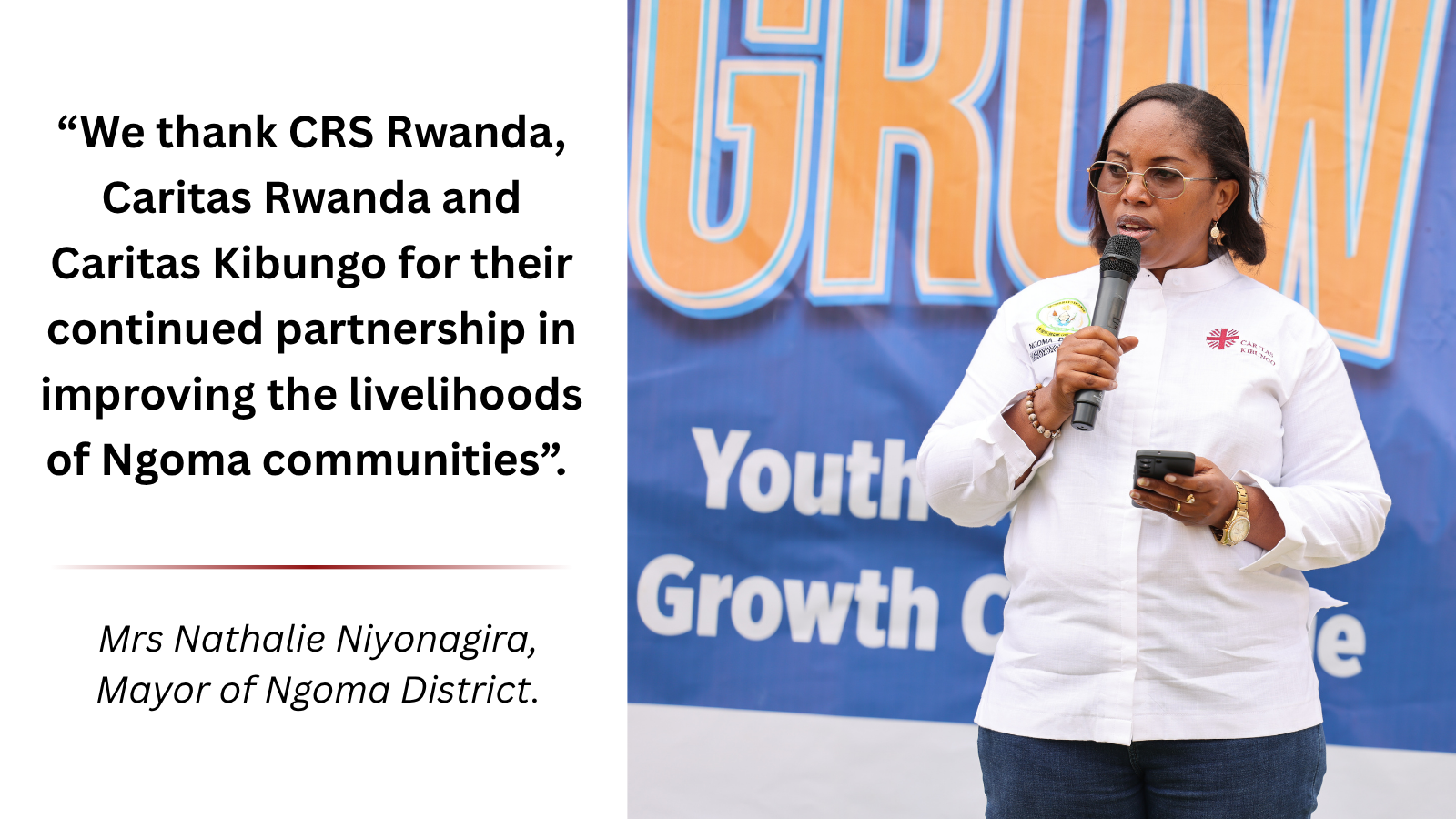
In their speeches, districts leaders who attended the final pitch events encouraged the youth to make good use of the opportunities and support provided through the programme and to continue working towards improving their livelihoods and contributing to the development of their communities.
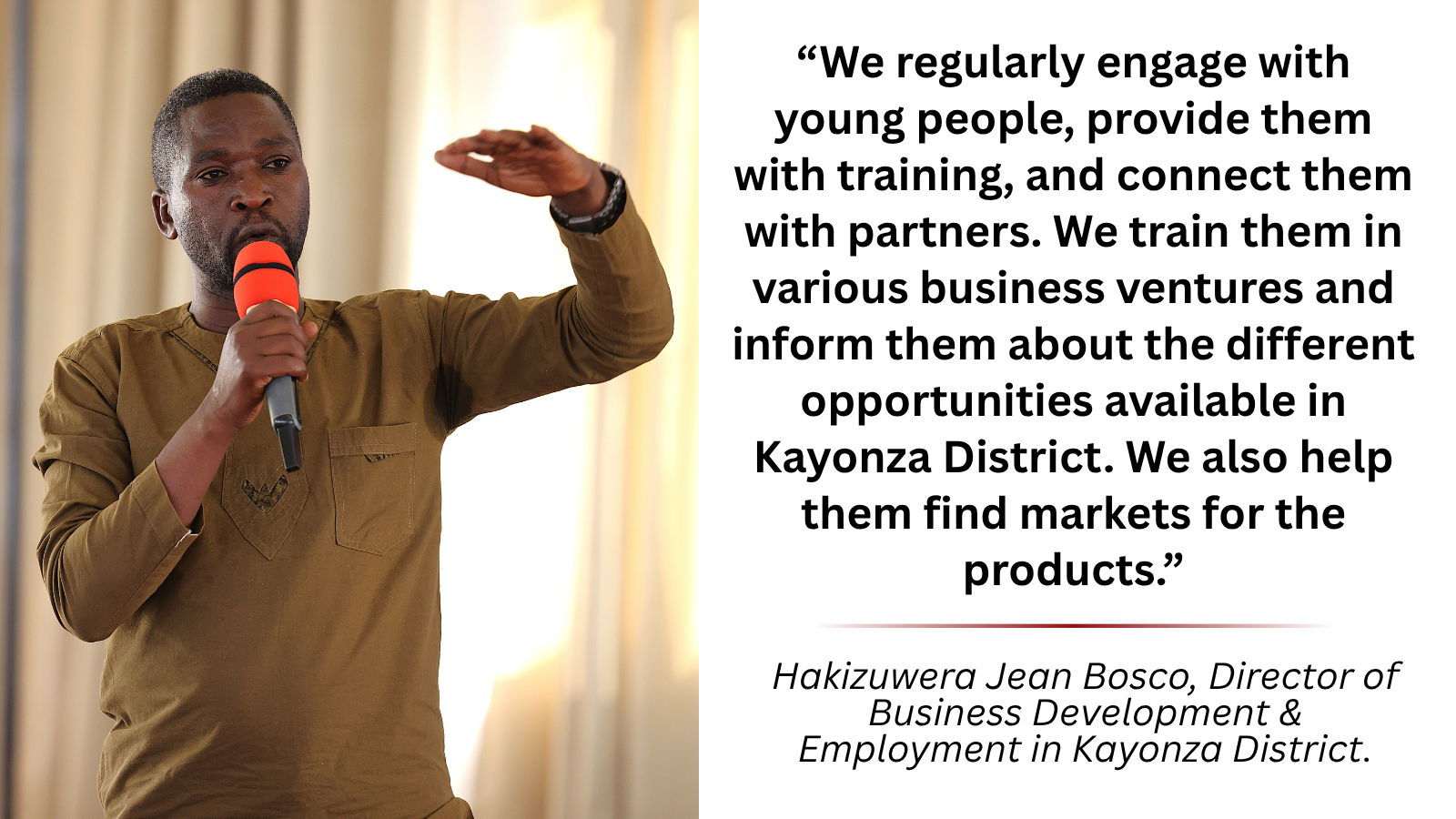
The Compete to Grow Challenge is part of the Gera Ku Ntego Youth Project, implemented from 2024 to 2026 in Ngoma, Kayonza and Rwamagana districts by Caritas Kibungo under the supervision of Caritas Rwanda, with funding from CRS Rwanda.

The challenge was designed to support and accelerate the growth of youth-led businesses, helping young entrepreneurs move beyond business start-up and build sustainable enterprises.
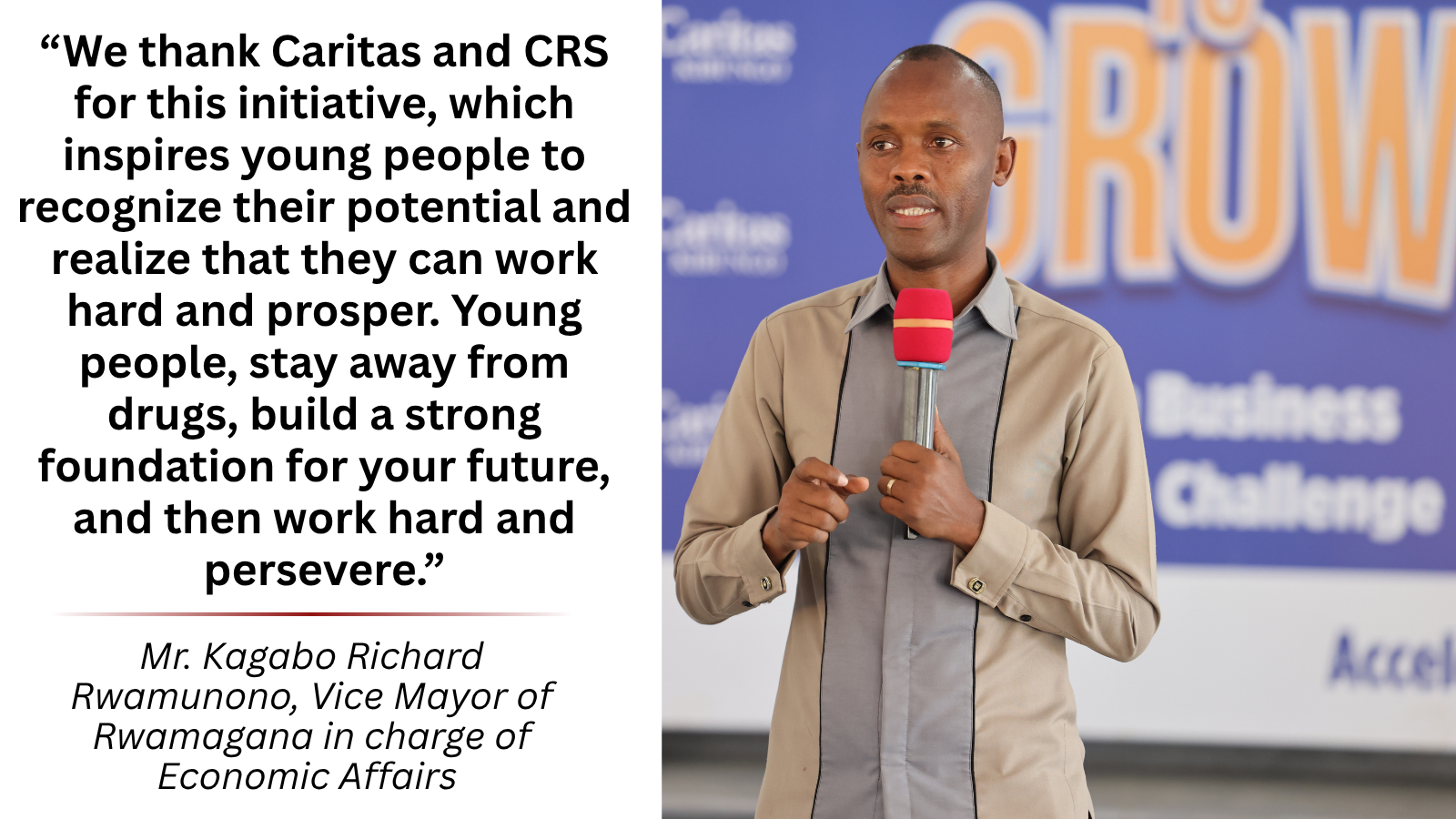
This competition brought together 216 youth groups across Ngoma, Kayonza and Rwamagana districts, with 64 groups from Ngoma, 79 of Kayonza and 73 of Rwamagana District.

Of these, ten groups advanced to the final stage, and all ten finalists were awarded prizes in recognition of their efforts and entrepreneurial potential.

Representatives of the groups that won the “Compete to Grow” competition in Kayonza District together with the officials who attended the event.

The Icyizere (from Ngoma), Umurava (from Kayonza) and  Terimbere (Rwamagana) Youth groups emerged as the overall winners and won Frw 2,500,000 each.

A total of Rwf 42.6 million was awarded to thirty finalists.
July 17, 2026

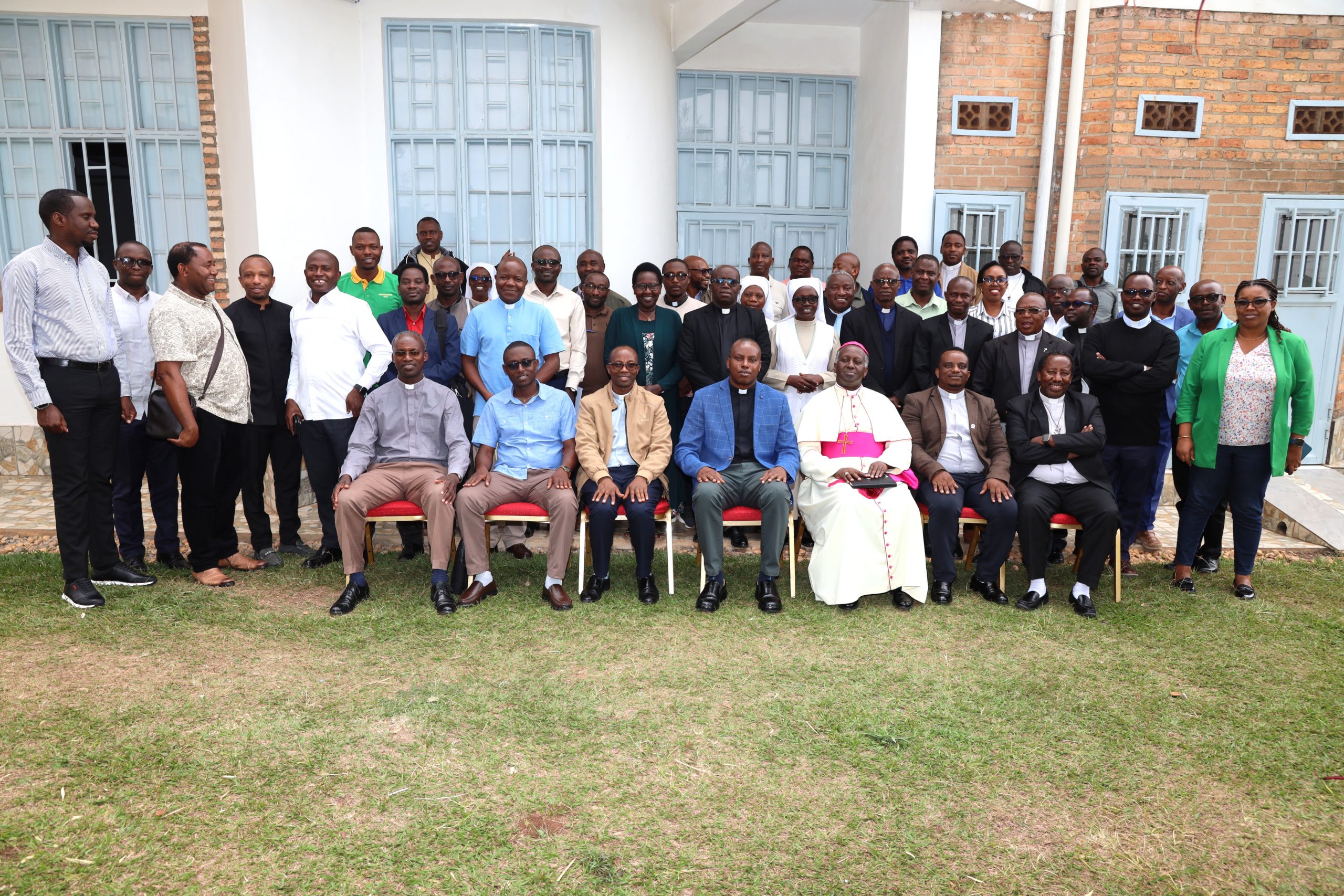
As preparations for the annual Charity Month continue, on 13th July 2026, Caritas Rwanda and representatives from all diocesan Caritas met in Huye to review past achievements, share successful experiences, and develop strategies to further strengthen community participation in this nationwide campaign of solidarity.

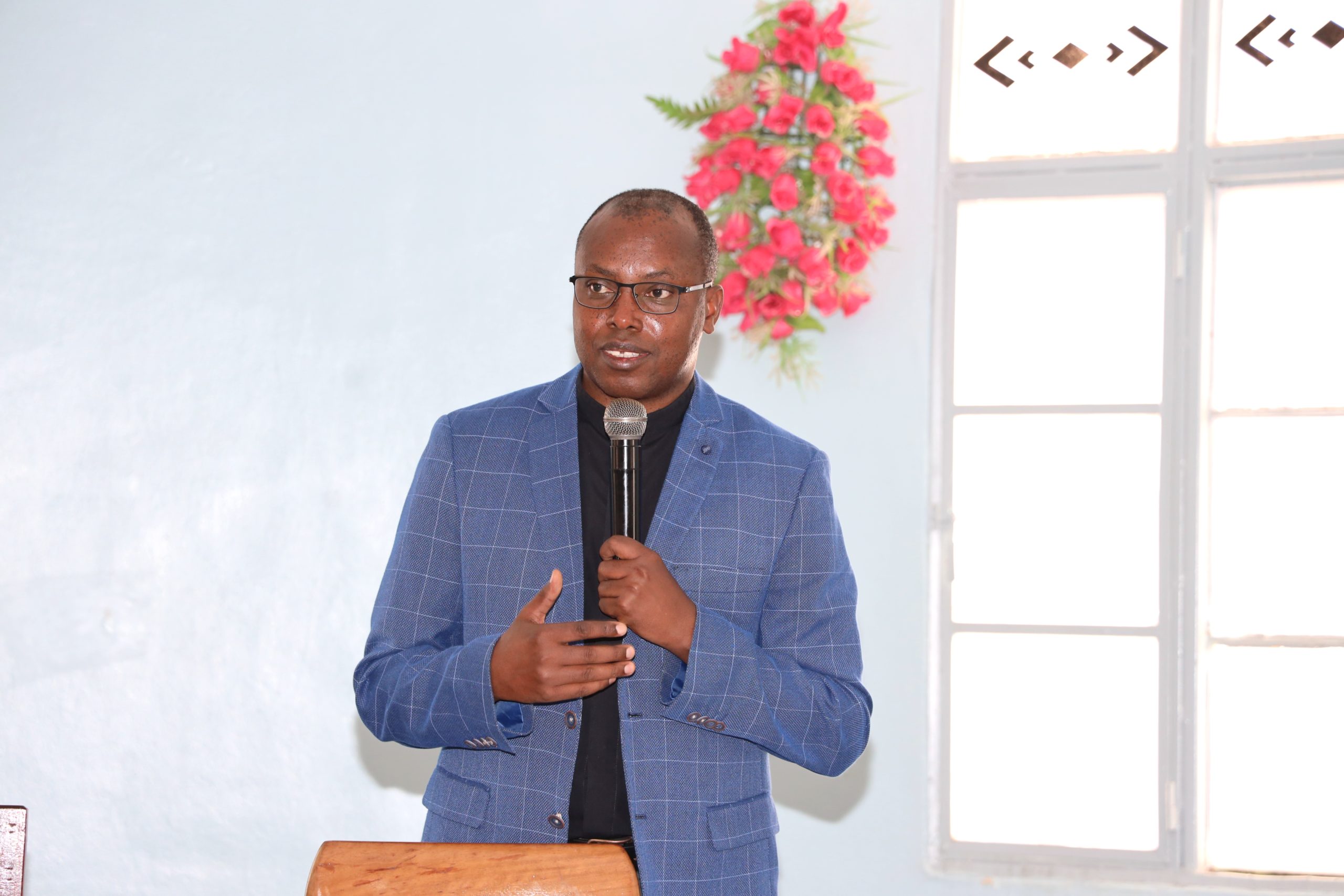
Opening the meeting, Fr. Oscar Kagimbura, Secretary General of Caritas Rwanda, reminded participants that the mission of Caritas goes beyond fundraising. “This meeting is an opportunity to remind ourselves of our responsibility as Caritas to put the Gospel into practice through concrete charity acts.” he said.

Fr. Kagimbura also reflected on Pope Francis’ document Dignitas Infinita, emphasizing that people living in poverty should not be viewed merely as beneficiaries of charitable assistance, but as partners in promoting human dignity and integral development.

Father Oscar Kagimbura, the Secretary General of Caritas Rwanda, delivering his opening remarks.

Sharing experiences that inspire growth

Participants reviewed the results of the Charity Month campaign since its introduction in 1998 before exchanging experiences on approaches that have successfully increased local contributions.

One of the most remarkable testimonies came from the Butare Diocese, which increased its collections by 241%, growing from Rwf 3 millions to Rwf 10 millions.

Among the parish success stories, Mugombwa Parish shared how recognizing and motivating volunteers through appreciation events has strengthened their commitment to mobilizing communities. The parish also begins awareness campaigns in schools before the summer holidays to maximize participation.

Participants also discussed challenges affecting some parishes, including poor agricultural harvests, competing financial priorities among Christians, and limited understanding of Caritas’ mission. They agreed that continuous awareness-raising is essential to help communities understand the importance of supporting Caritas Rwanda’s humanitarian and social mission.

The meeting further highlighted the need for greater participation from some religious congregations that have the capacity to make stronger contributions.

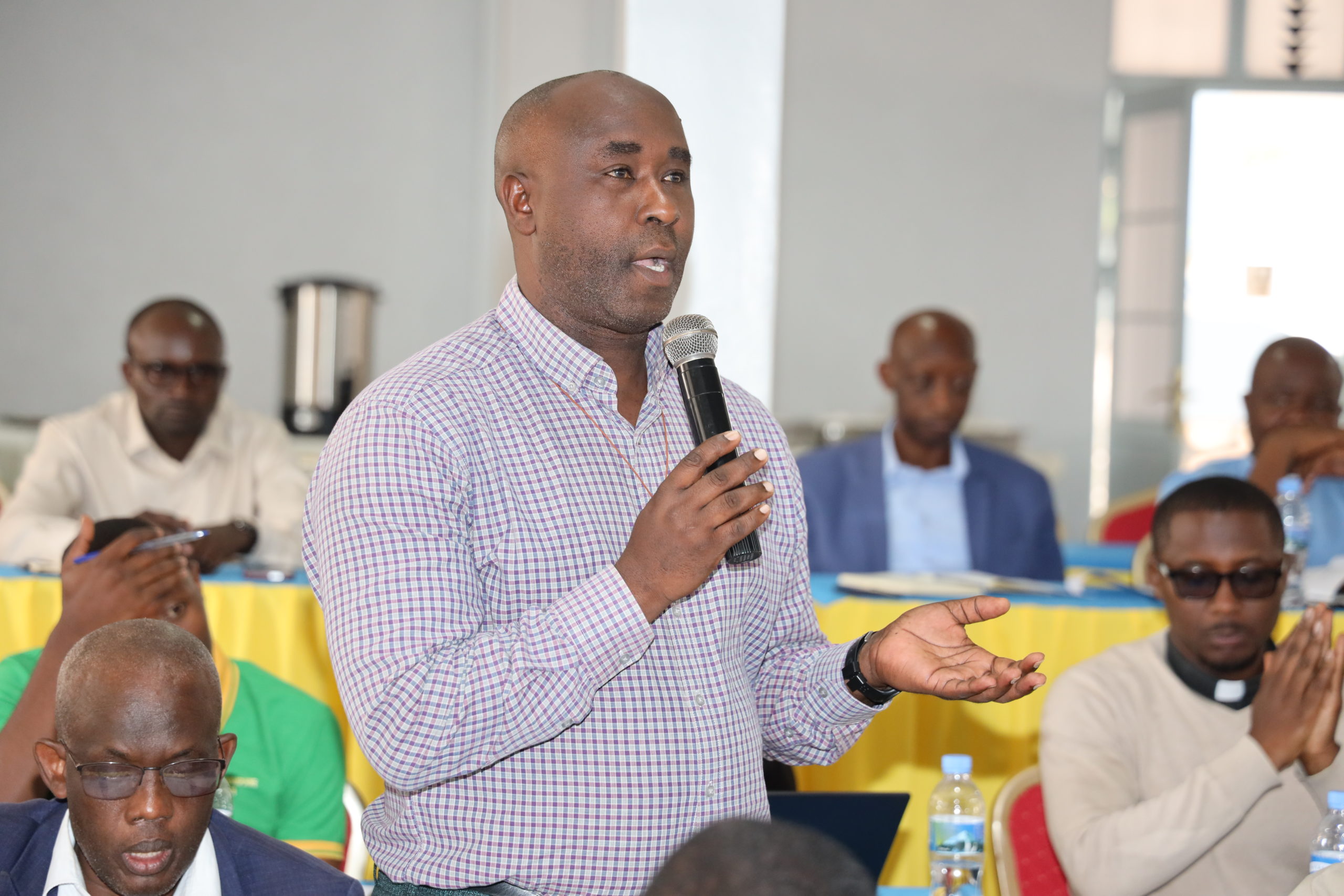
Father Francois Habimana, Mugombwa Parish priest, sharing the parish testimony.

Learning from diocesan Caritas best practices

Representatives from the Dioceses of Kabgayi, Gikongoro, Nyundo, and the Archdiocese of Kigali shared practical strategies that have contributed to improved campaign performance.

These included:

  • Organizing meetings with parish priests to strengthen ownership of the campaign;
  • Conducting charitable activities before fundraising to demonstrate Caritas’ mission in action;
  • Mobilizing traders and business communities;
  • Carrying out door-to-door awareness campaigns through Small Christian Communities;
  • Sending personalized appeals to major contributors;
  • Using volunteer teams to visit households and record contributions transparently;
  • Publicly communicating collection results to build trust and accountability.

These experiences demonstrated that community engagement, transparency, and strong leadership significantly contribute to successful fundraising.

Supporting people affected by disasters

Fr. Kagimbura also explained how the funds collected during Charity and Mercy Month are distributed.

One quarter of the collections remains at the parish level, while the remaining amount is shared between the diocesan Caritas and Caritas Rwanda. The resources are used to support people affected by natural disasters and other humanitarian emergencies both within Rwanda and, when needed, internationally.

A shared commitment to do more

Building on the success of last year’s campaign, which exceeded its target by achieving a 20 % increase in collections, participants agreed to set an even more ambitious goal for 2026 by increasing contributions by at least 25 % across all diocesan Caritas.

Closing the meeting, H.E. Bishop Jean Bosco Ntagungira, the guest of honor, pledged to actively support the Charity Month campaign, following the example already practiced in the Ruhengeri Diocese.

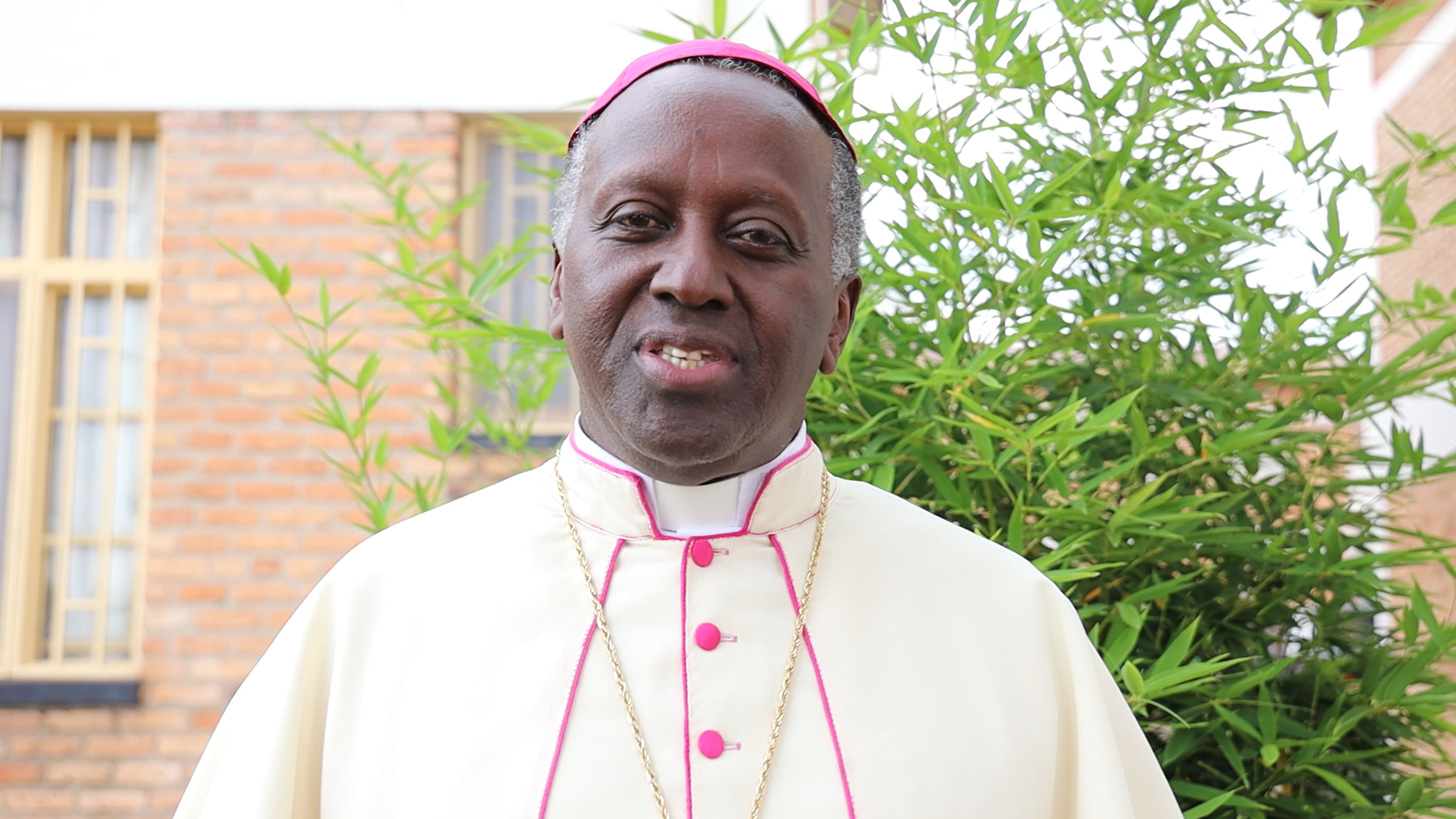
H.E. Jean Bosco Ntagungira, Bishop of Butare Diocese was the guest of honor.

Encouraging participants to remain committed, H.E. Bishop Jean Bosco said: “We know the challenges you face. But do not lose courage.” He reminded participants that everyone has something to share, regardless of their financial situation, because there is always someone in greater need. According to him, giving is not only an act of charity but also a way of recognizing the dignity of both the giver and the receiver.

The meeting concluded with several recommendations, including strengthening parish Caritas structures, improving reporting systems, increasing awareness campaigns before the fundraising period, providing continuous training for parish Caritas committees, involving Church leaders at every level, and enhancing staff engagement. Together, these actions are expected to further strengthen the Charity and Mercy Month campaign and expand Caritas Rwanda’s capacity to serve the most vulnerable.