
September 28, 2026
September 28, 2026

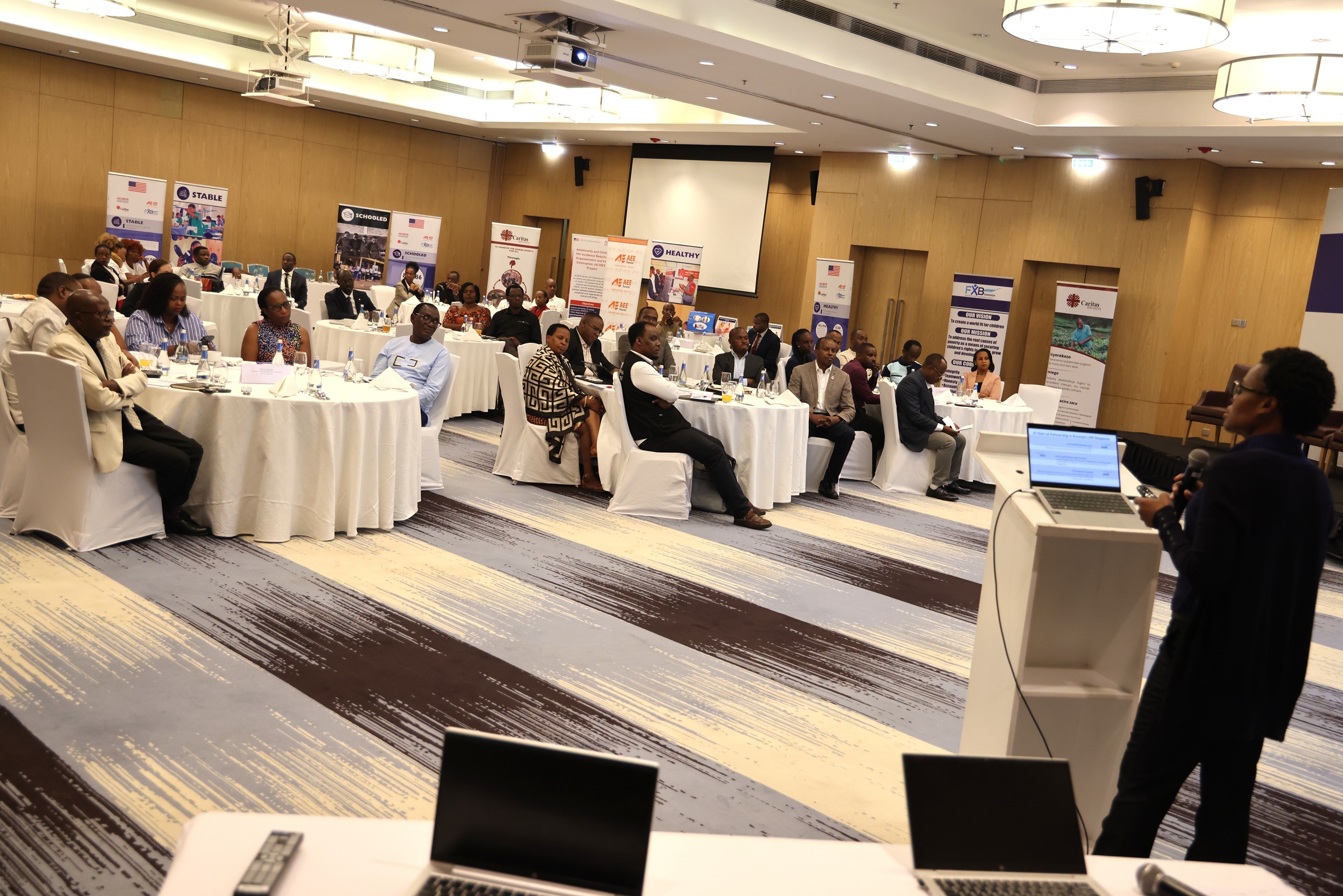
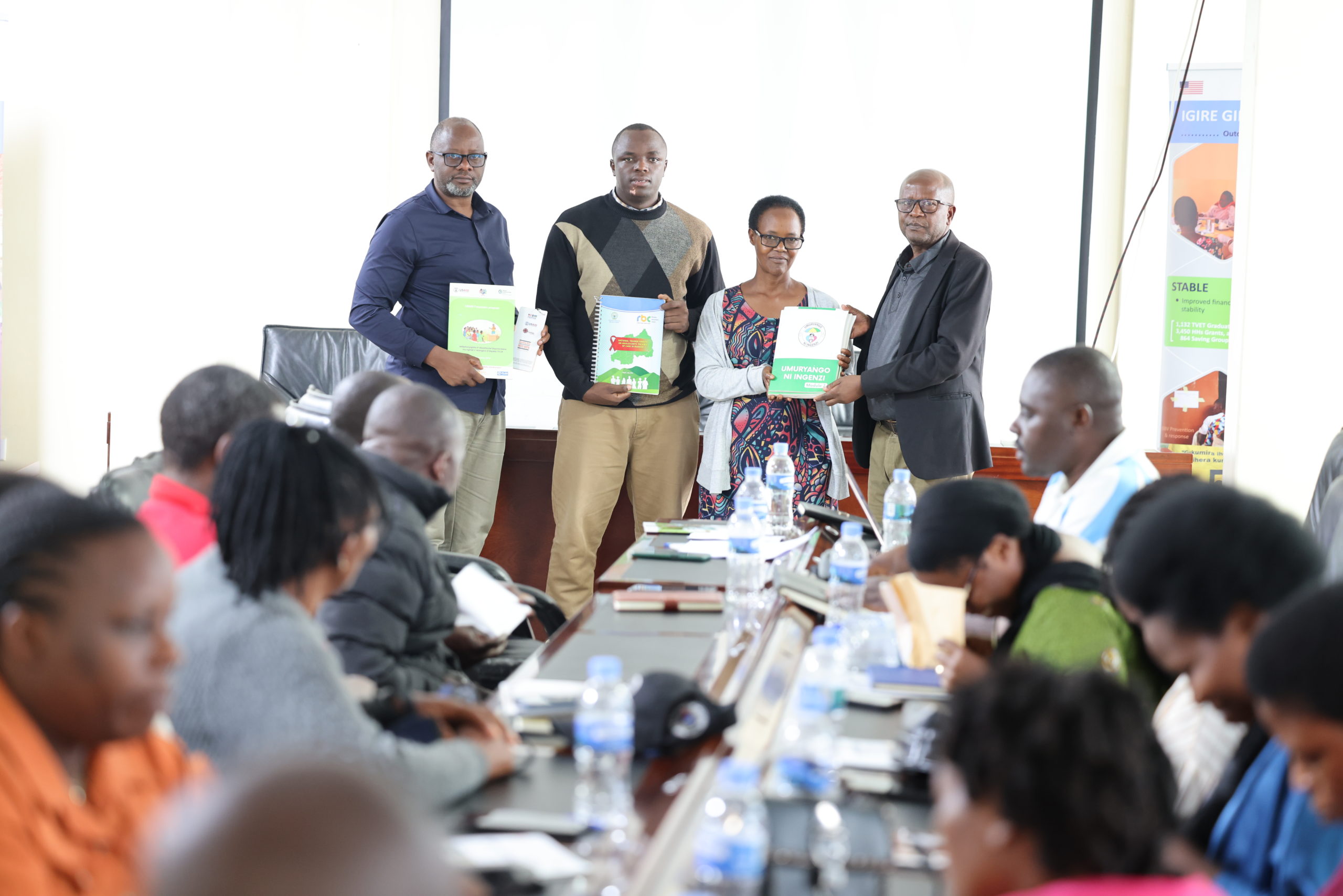
On 25th September 2026, Caritas Rwanda joined PACT/ACHIEVE, AEE Rwanda and FXB Rwanda for the PACT/ACHIEVE and IGIRE Implementing Partners’ Legacy and Learning Event, held at Kigali Marriott Hotel under the theme “Sustaining HIV Outcomes Through Local Ownership.”

The event brought together Rwanda and U.S. government representatives, implementing partners, community actors and other stakeholders to celebrate achievements, share lessons learned and discuss sustaining community HIV services under Government leadership.

Supported through the U.S. Government’s PEPFAR funding, ACHIEVE and IGIRE have contributed to HIV prevention, care and treatment, education, protection and economic strengthening across 11 districts, reaching children, adolescents, caregivers and vulnerable households.
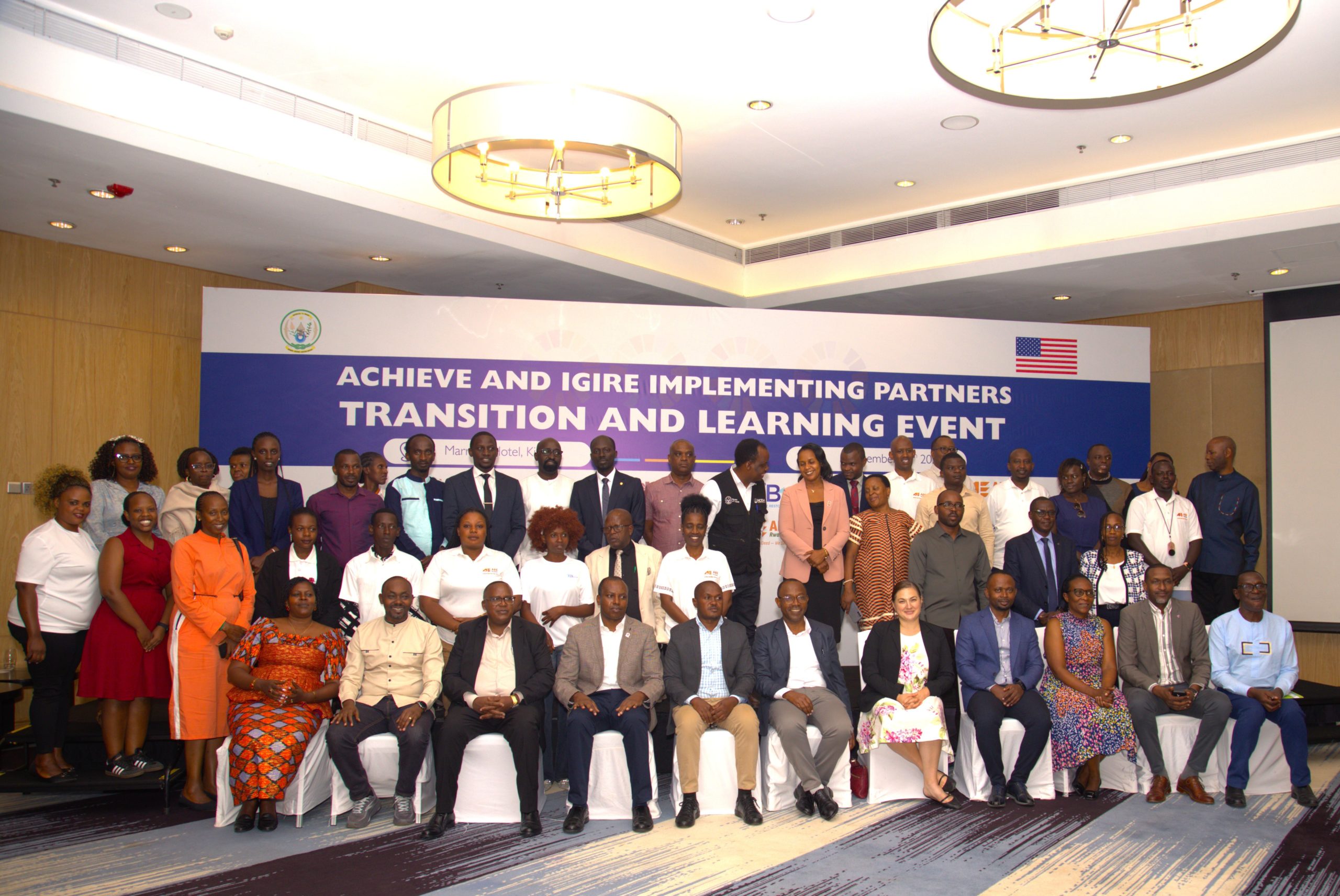
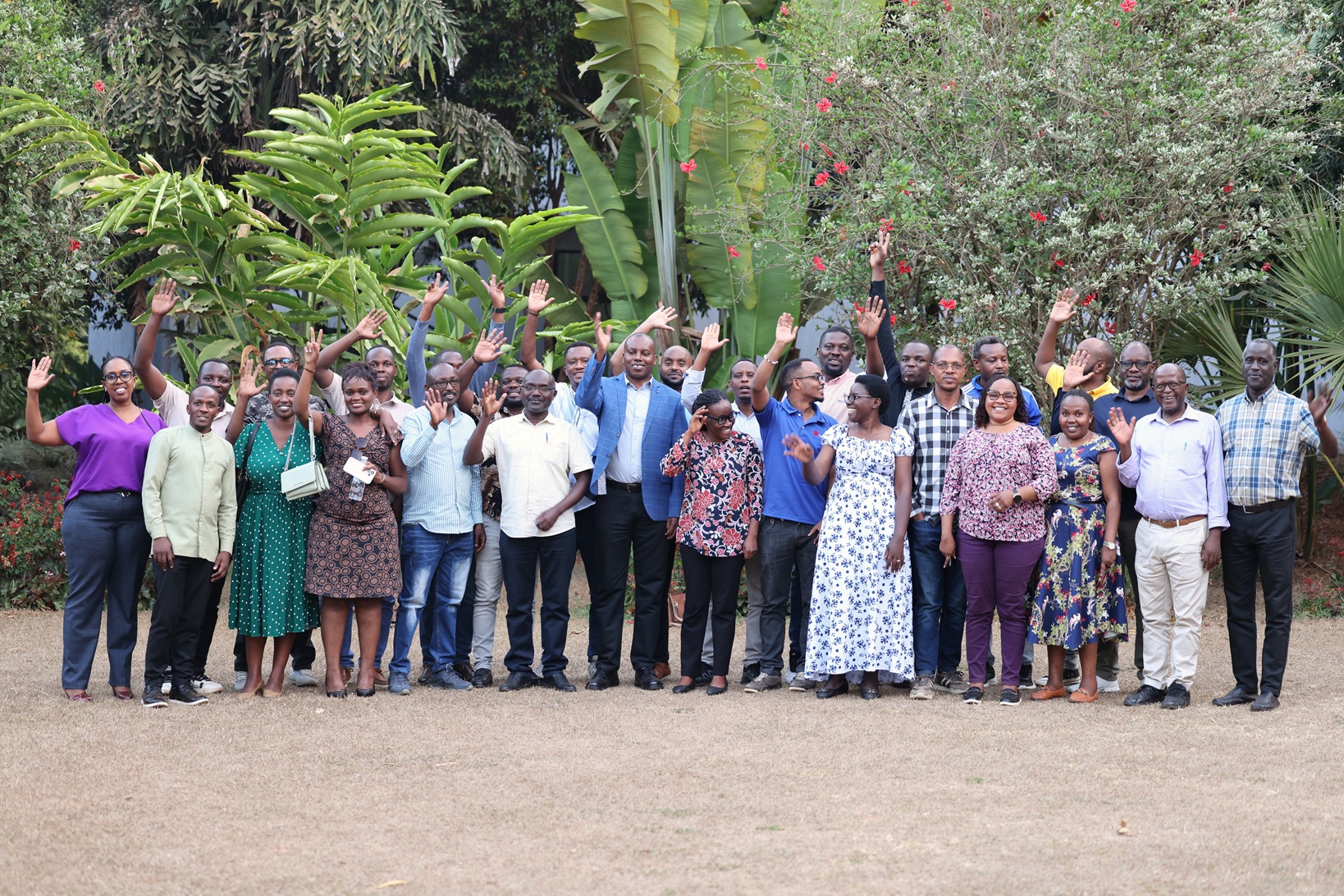
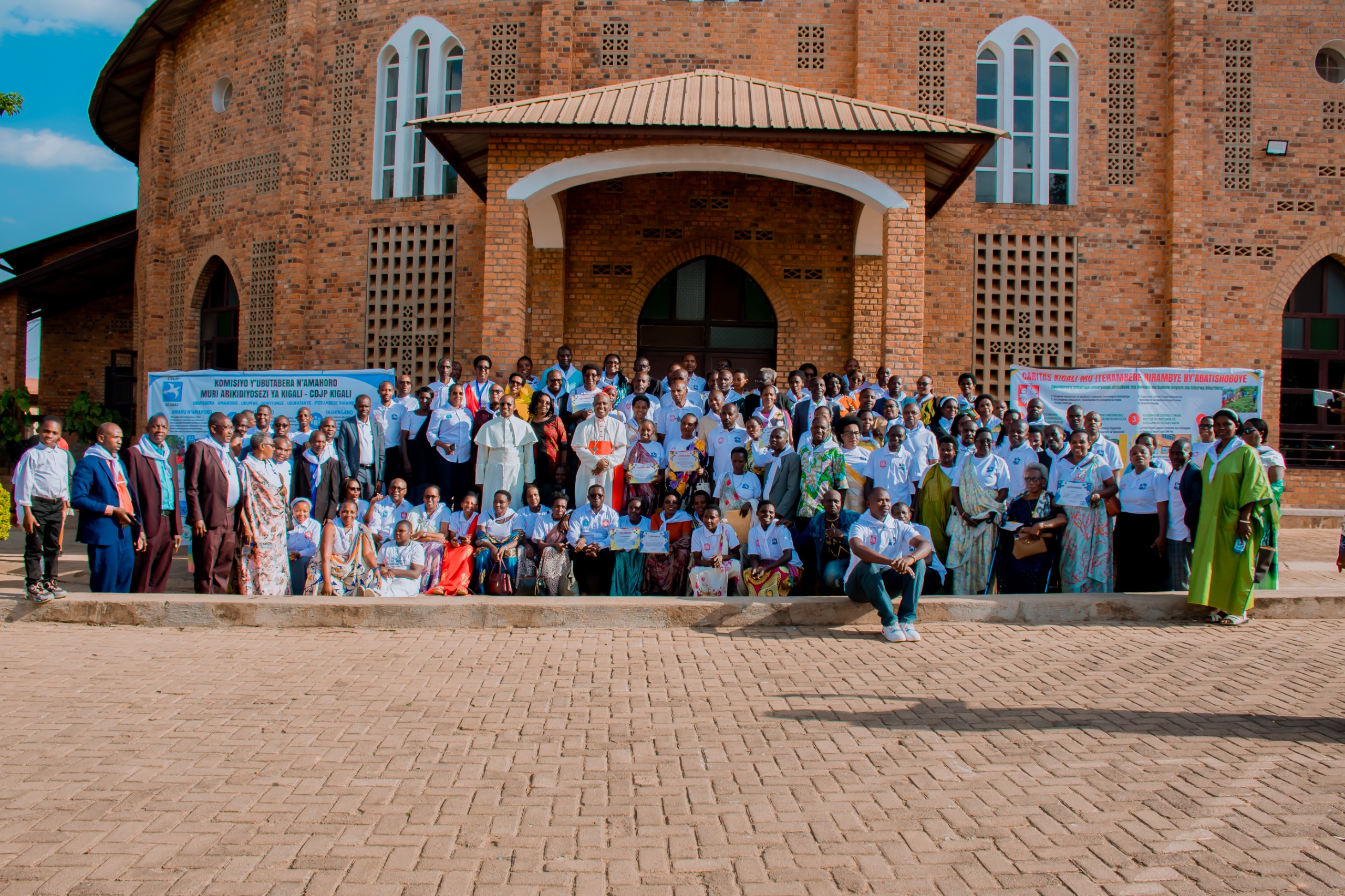
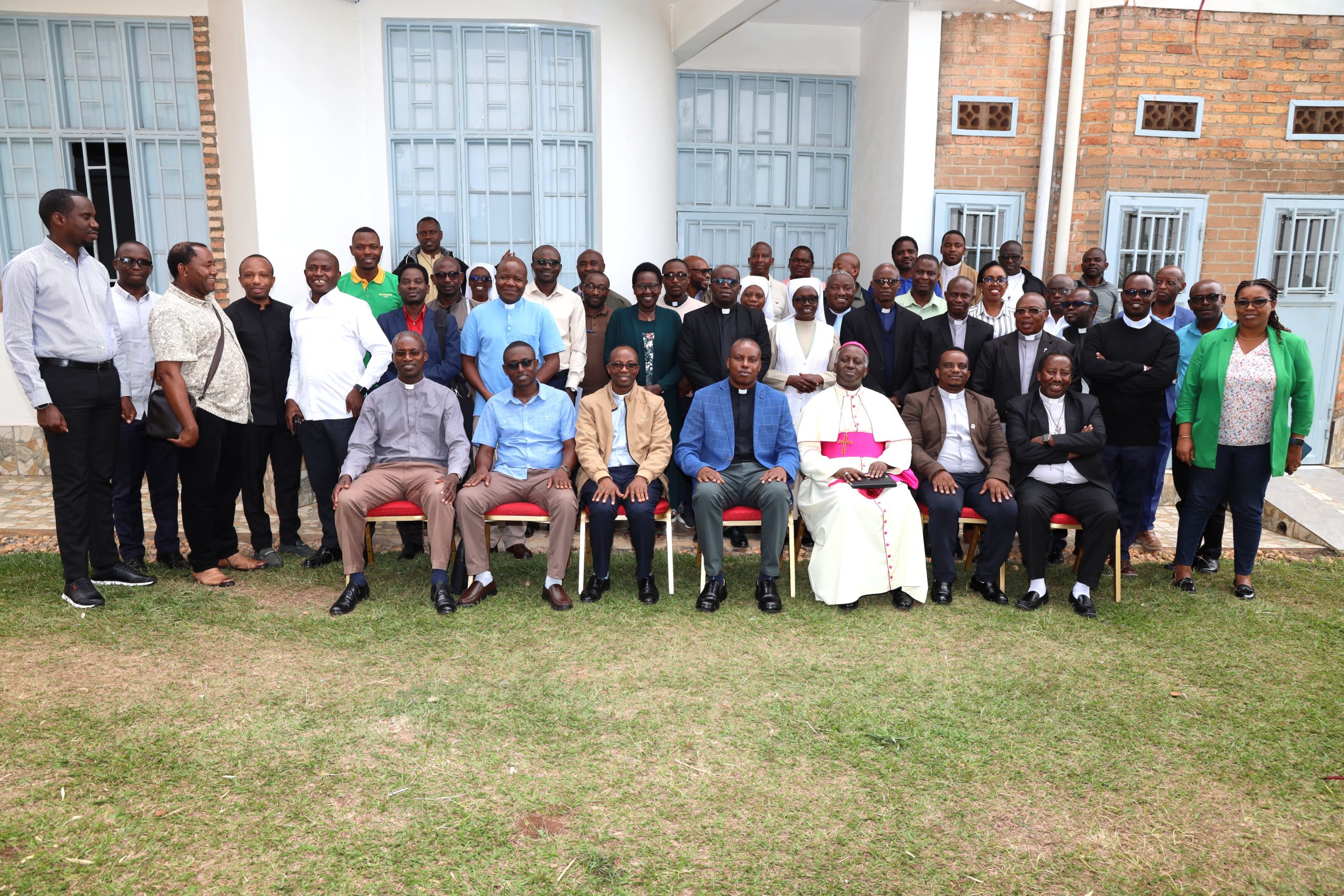
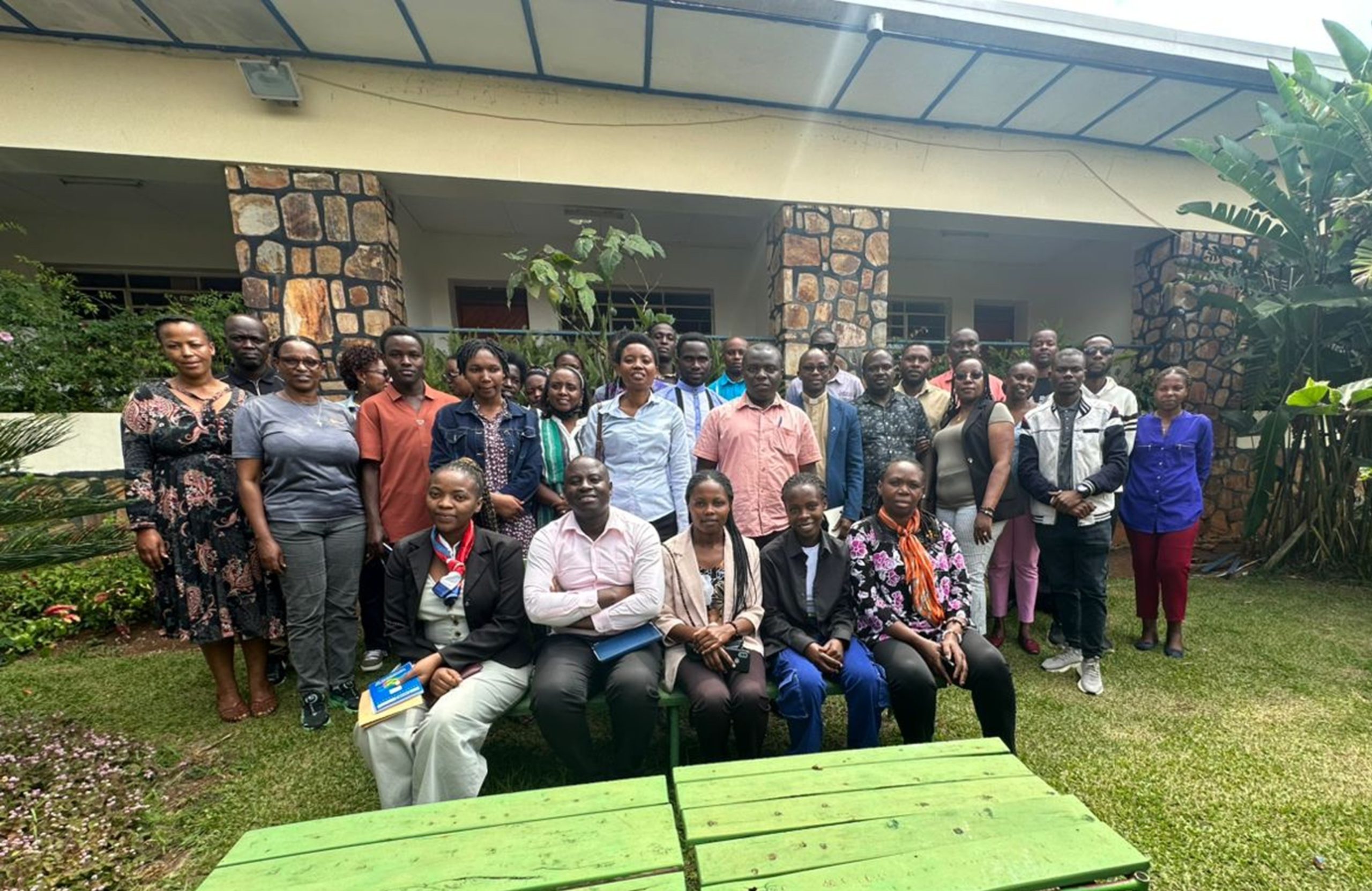
Partners and stakeholders who attended the PACT/ACHIEVE and IGIRE Implementing Partners’ Legacy and Learning Event.

Through the Health component, 193,794 children and caregivers were reached with health, education, protection and economic-strengthening services. Among those living with HIV, 90,879 children, adolescents and caregivers were supported to remain on ARV, while 87,072 achieved viral-load suppression.

Under the Schooled component, 81,386 vulnerable children and adolescents were supported to enroll, remain and progress in school, including 55,562 primary-school learners and 25,824 secondary-school learners.
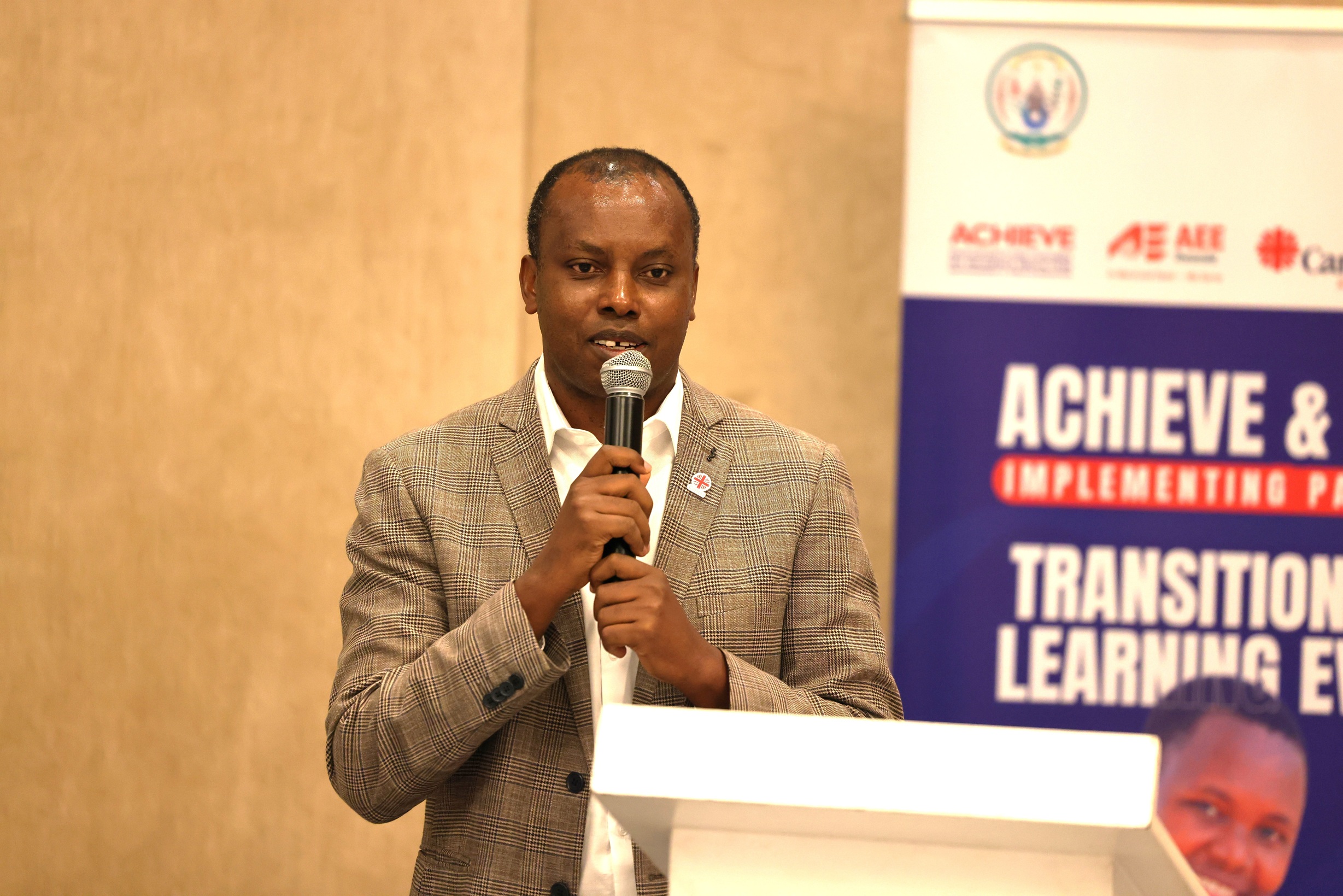
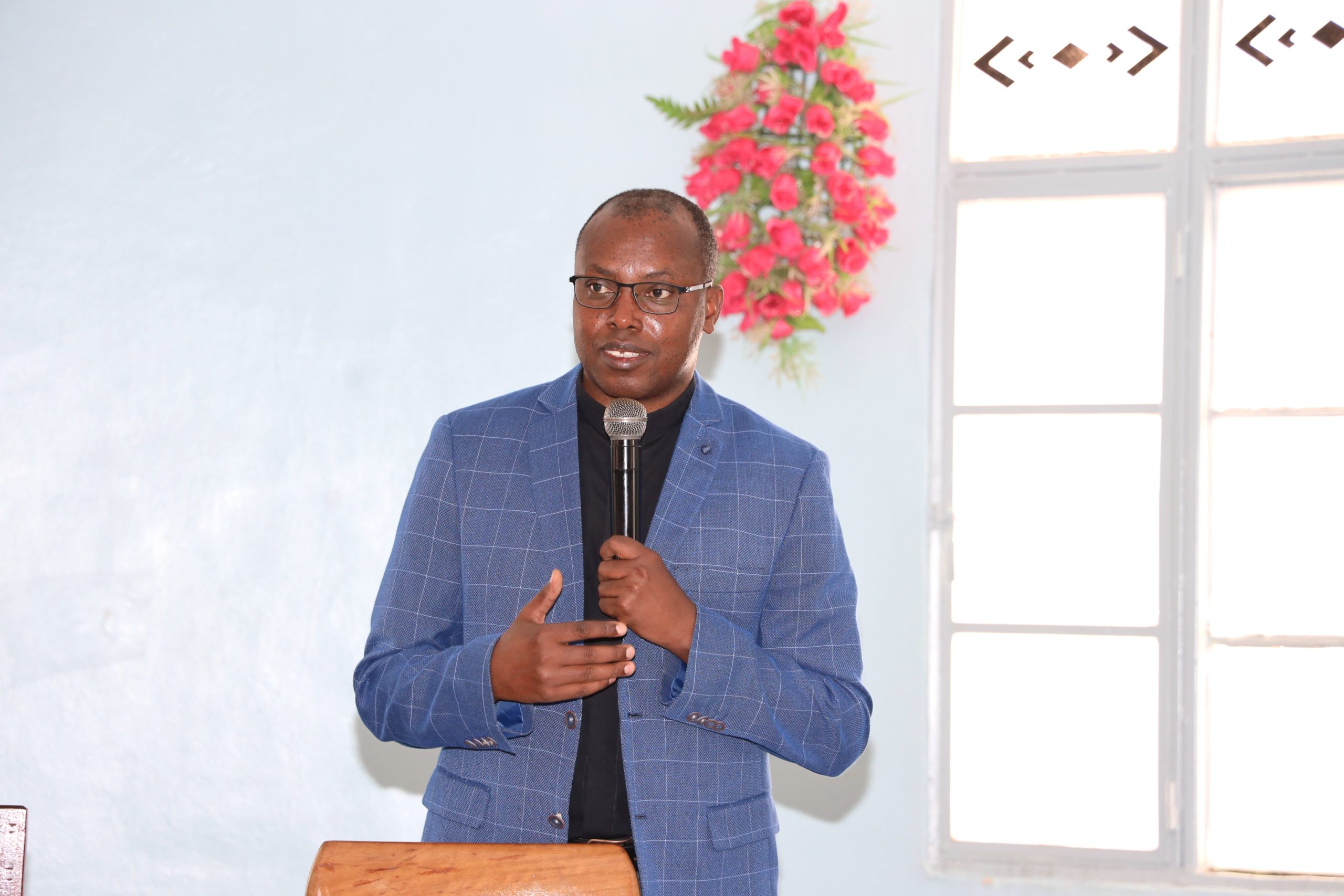
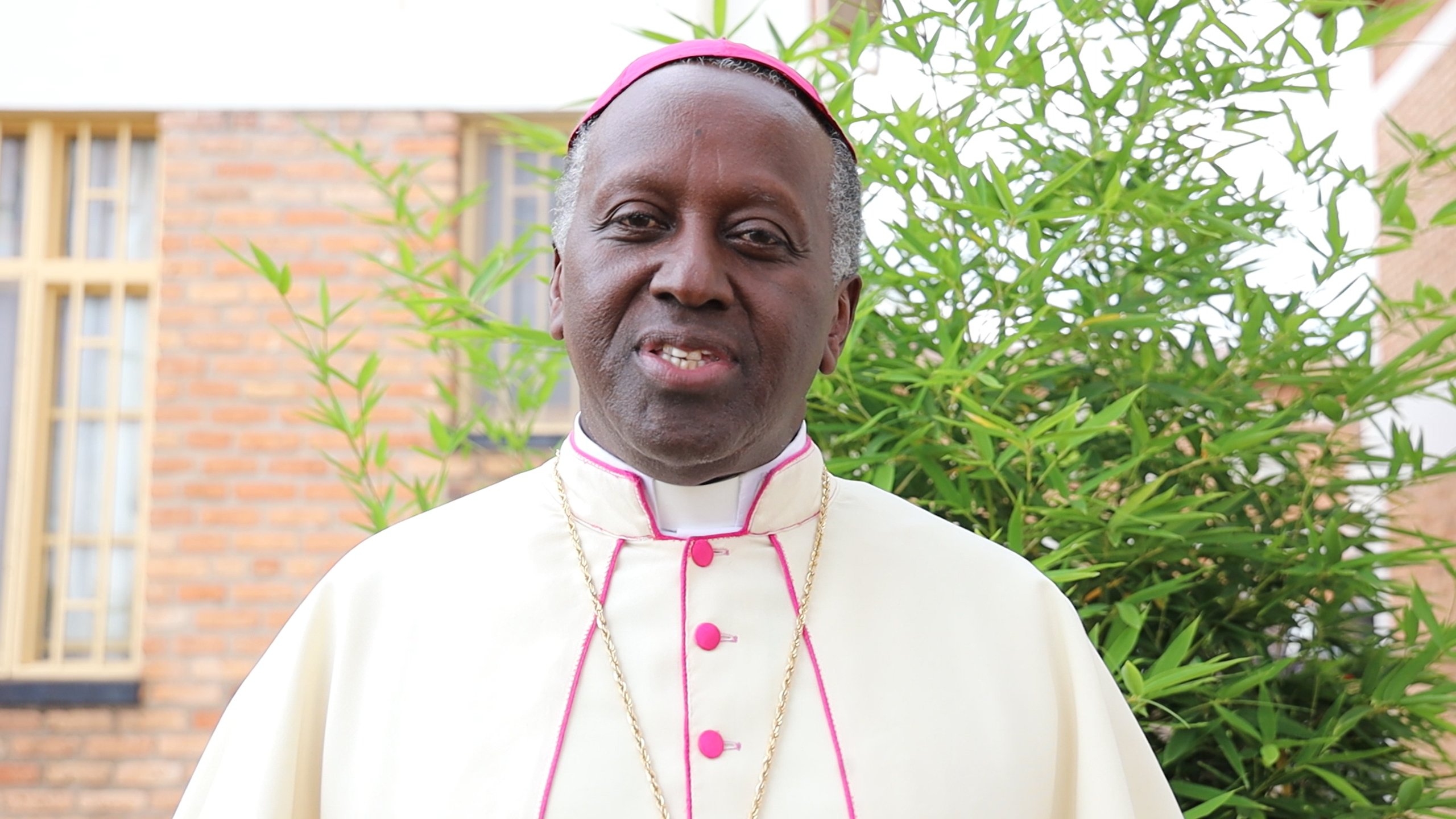
Father Oscar Kagimbura, Secretary General of Caritas Rwanda, delivering his speech as the Guest of Honor during this event.

The Safe component strengthened protection and violence prevention, reaching 172,428 adolescent girls and young women with sexual and reproductive health and rights services and 116,372 community members through gender-based violence prevention and social-norms-change interventions. In addition, 447 safe spaces were established to provide adolescent girls and young women with mentoring, information and peer support.

Through the Stable component, 5,942 youth acquired technical skills through TVET and received support to start income-generating activities. The programmes also supported 2,427 Internal Savings and Lending Groups, while 13,737 vulnerable households received cash grants to meet priority needs and strengthen livelihoods.

As ACHIEVE and IGIRE conclude their HIV service delivery activities in September 2026, the event provided a platform to reflect on these achievements and lessons learned and discuss the transition of community HIV programming to Government leadership.
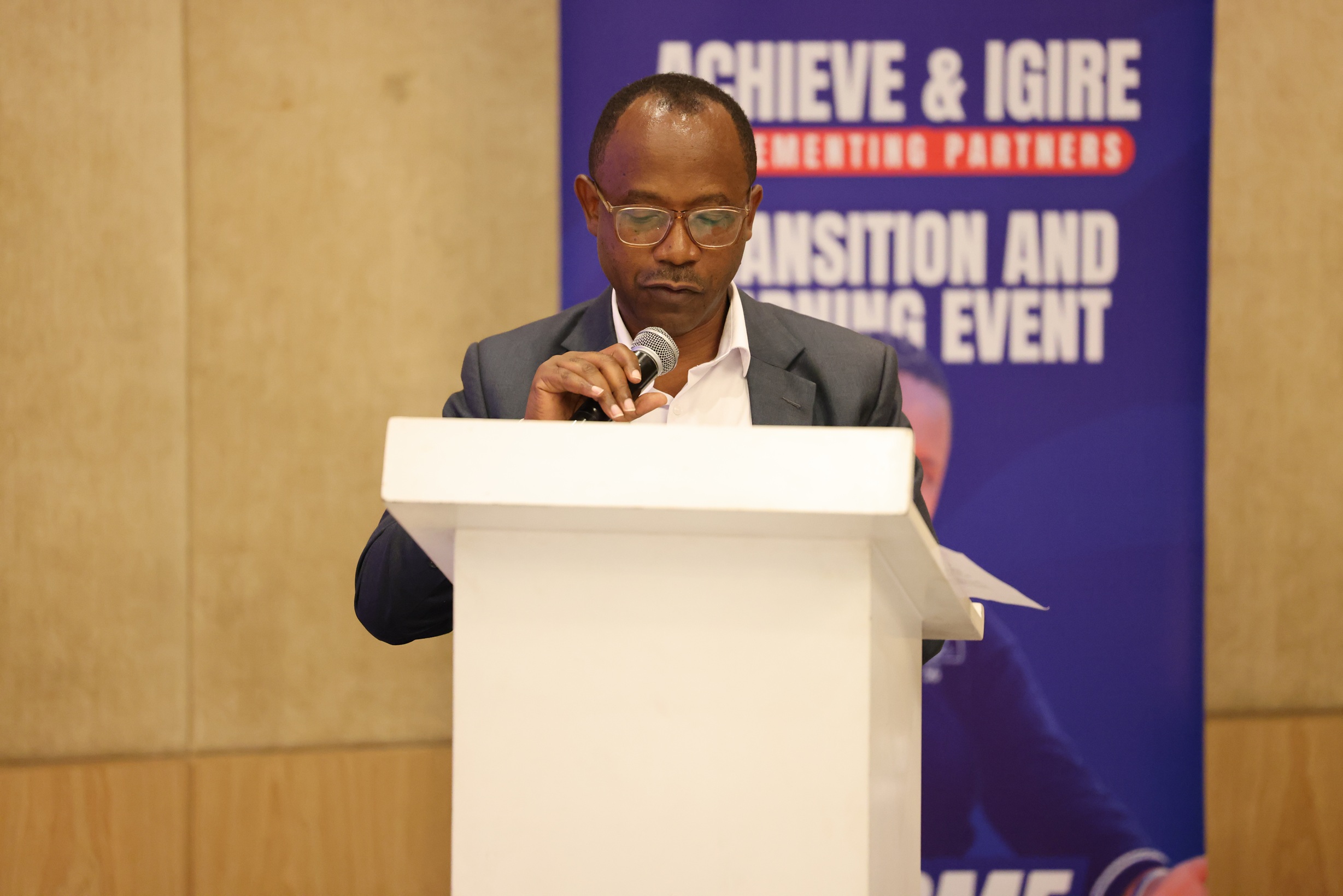
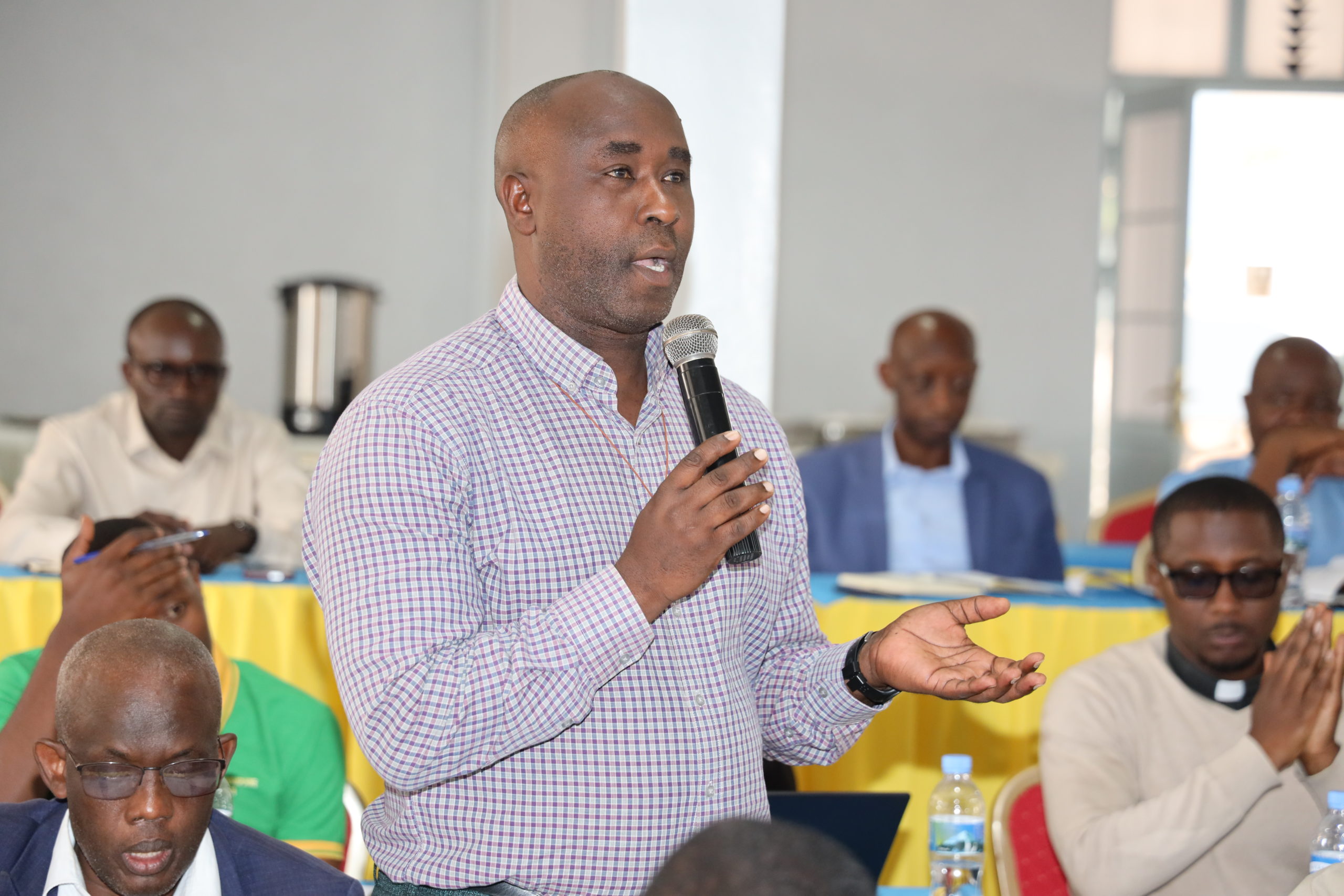
Mr. Esron Niyonsaba, spoke on behalf of the USA Governement.

For Caritas Rwanda, the event was an opportunity to reflect on its contribution to IGIRE, share implementation experiences and reaffirm its commitment to collaboration and local ownership.

The discussions highlighted the importance of strong community systems, collaboration and Government leadership in sustaining HIV services and the gains achieved through community-based programming.

The event therefore served not only as a reflection on achievements, but also as a platform to strengthen collective commitment to sustaining HIV outcomes through local ownership.
September 23, 2026

From 15 to 18 September 2026, Caritas Rwanda’s Igire-Gimbuka Program brought partners and stakeholders together across Rubavu, Nyamasheke, Karongi and Rutsiro Districts for a series of Transition and Learning Events held under the theme “Sustaining HIV outcomes through local ownership”, providing an opportunity to celebrate progress, share lessons and reflect on how to sustain HIV outcomes beyond the program close-out.

The first event was held in Rubavu District on 15th September 2026, followed by gatherings in Nyamasheke (September 16), Karongi and Rutsiro (September 18). Across the four districts, the events created a platform for partners and stakeholders to exchange experiences, highlight lessons learned and strengthen collaboration around the sustainability of HIV interventions.

Implemented from October 2022 to September 2026, the Igire-Gimbuka reached 68,299 children and caregivers with a range of services designed to address health, education, economic and protection needs.

Strengthening HIV health outcomes

Under the health component, 14,775 people were educated on HIV and linked to prevention services, including HIV testing.

The program also supported 11,912 people living with HIV, including 1,206 children and adolescents living with HIV aged 0–20, with adherence counselling, regular follow-up and psychosocial support.

Igire-Gimbuka also provided psychosocial support to children and adolescents living with HIV, people living with HIV and survivors of gender-based violence, while 25 adherence peer-support groups were strengthened and supported.

One of the notable health outcomes was the achievement of 98.5% viral load suppression, reflecting the importance of continued adherence support and follow-up for people living with HIV.

Supporting children to remain in school

Education was another important area of intervention. A total of 6,550 school-age orphans and vulnerable children (OVC) were supported and consistently monitored for school attendance and performance, achieving 100% regular attendance.

The program provided school fees to 1,121 learners, while all supported learners received essential scholastic materials, including school bags, pens and notebooks. Girls were also provided with sanitary pads to support them during menstruation.

These interventions helped address some of the barriers that can affect children’s participation and continuity in education.

Strengthening household economic resilience

Recognizing the link between household economic well-being and the ability of families to support children and maintain access to essential services, Igire-Gimbuka invested in economic strengthening.

A total of 260 participants received Technical and Vocational Education and Training (TVET) support, including six-month training fees and materials, three-month apprenticeships and start-up kits.

The program also provided grants to 899 households to strengthen income-generating activities, benefiting 4,875 household members.

In addition, 218 savings groups, comprising more than 6,275 members, received financial literacy support and were linked to financial institutions, including banks and microfinance institutions.

Among adolescents considered most at risk, including teen mothers, 327 received small-animal support valued at RWF 50,000 each to contribute to their economic strengthening.

Strengthening protection and safe environments

Igire-Gimbuka also focused on creating safer environments for children, adolescents and families.

A total of 890 survivors of gender-based violence (GBV) received psychosocial support services, while 153 teen mothers and their parents participated in GBV mobile clinics.

The program reached 1,453 caregivers with positive parenting messages aimed at improving child-parent communication, including 100 caregivers reached through FMP.

To strengthen community-based prevention and response, 613 IZU were trained on HIV prevention, child protection, GBV prevention, case reporting and first-line support to GBV survivors.

Meanwhile, 6,385 children aged 10–17 participated in preventive programs covering areas including sexual and reproductive health and rights (SRHR), CBIM and FMP.

From achievements to sustainability

The Transition and Learning Events held in Rubavu, Nyamasheke, Karongi and Rutsiro provided an opportunity for partners and stakeholders to look back on these achievements, share experiences and lessons learned, and discuss how to sustain the gains made.

District officials attending these meetings commended Caritas Rwanda for the achievements of the Igire-Gimbuka Program and urged the organization to keep the residents of their respective districts in mind when planning future projects.

As Igire-Gimbuka reaches the end of its implementation period, the transition process emphasizes the importance of local ownership, collaboration and locally led approaches in sustaining HIV outcomes.

September 16, 2026

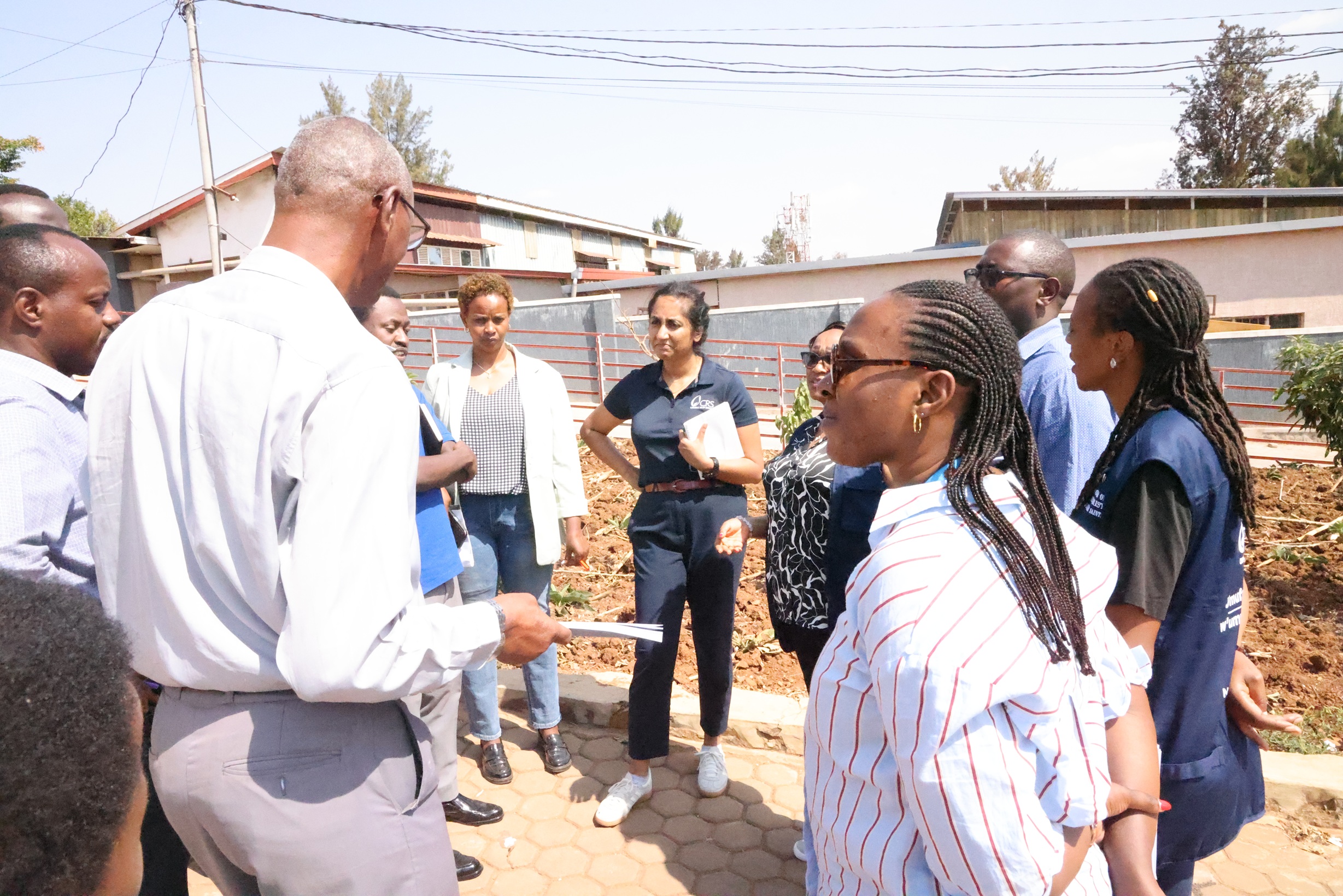
Caritas Rwanda, CRS and government partners conducted joint monitoring visits in Rulindo, Nyarugenge and Kayonza to assess STRONGER Project interventions supporting adolescent nutrition. The visits highlighted progress, good practices and the importance of collaboration, quality documentation and evidence-based action.

Catholic Relief Services (CRS), Caritas Rwanda and government partners, including the Ministry of Local Government, Ministry of Education, National Child Development Agency (NCDA) and Rwanda Biomedical Centre (RBC), conducted joint monitoring visits on 9th and 10th September 2026, to assess the implementation of interventions under the STRONGER Project supporting adolescent girls and young women.

The monitoring visits took place in Rulindo, Nyarugenge and Kayonza Districts, with the team visiting Shyorongi Health Center and Groupe Scolaire Shyorongi Impanganzi in Rulindo; Groupe Scolaire Saint Michel Indahangarwa in Nyarugenge; and Groupe Scolaire Gishanda and Cyarubare Health Center in Kayonza.

Linking schools and health facilities to improve adolescent nutrition

Among the key interventions implemented by the STRONGER Project is strengthening the link between health facilities and schools to ensure that adolescent girls receive appropriate nutrition support.

Through this collaboration, adolescent girls are assessed to determine their nutritional status. Those identified as experiencing malnutrition or other nutrition-related challenges are referred for appropriate support and follow-up to help them improve their nutritional wellbeing.

The project also supports schools with hygiene supplies for Girls’ Rooms, complementing the supplies provided by the Government. These rooms provide adolescent girls with a safe and supportive space where they can manage their menstrual hygiene, particularly when their periods begin unexpectedly while they are at school.

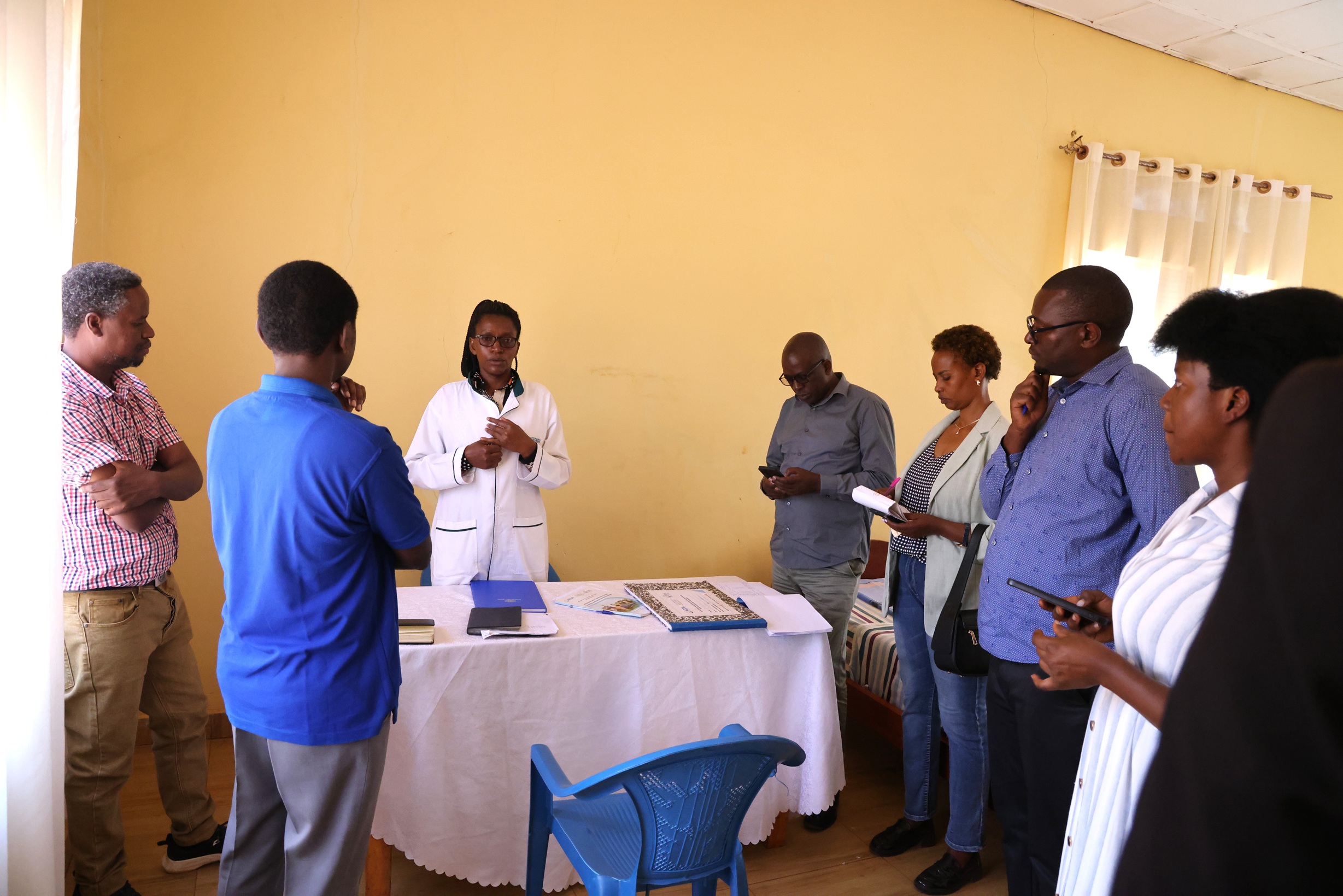
During the monitoring visits, the team observed how Girls’ Rooms are being used by students. Depending on their needs, girls can wash themselves, change sanitary pads and clothing, when necessary, receive pain-relief tablets if available, and rest for a short period before returning to class.

The monitoring team also reviewed the records kept in Girls’ Rooms to assess whether information on students receiving services was properly documented.

The monitoring team visiting the Girls’ Room at Groupe Scolaire Shyorongi Impanganzi in Rulindo.

Promoting healthy food environments at school

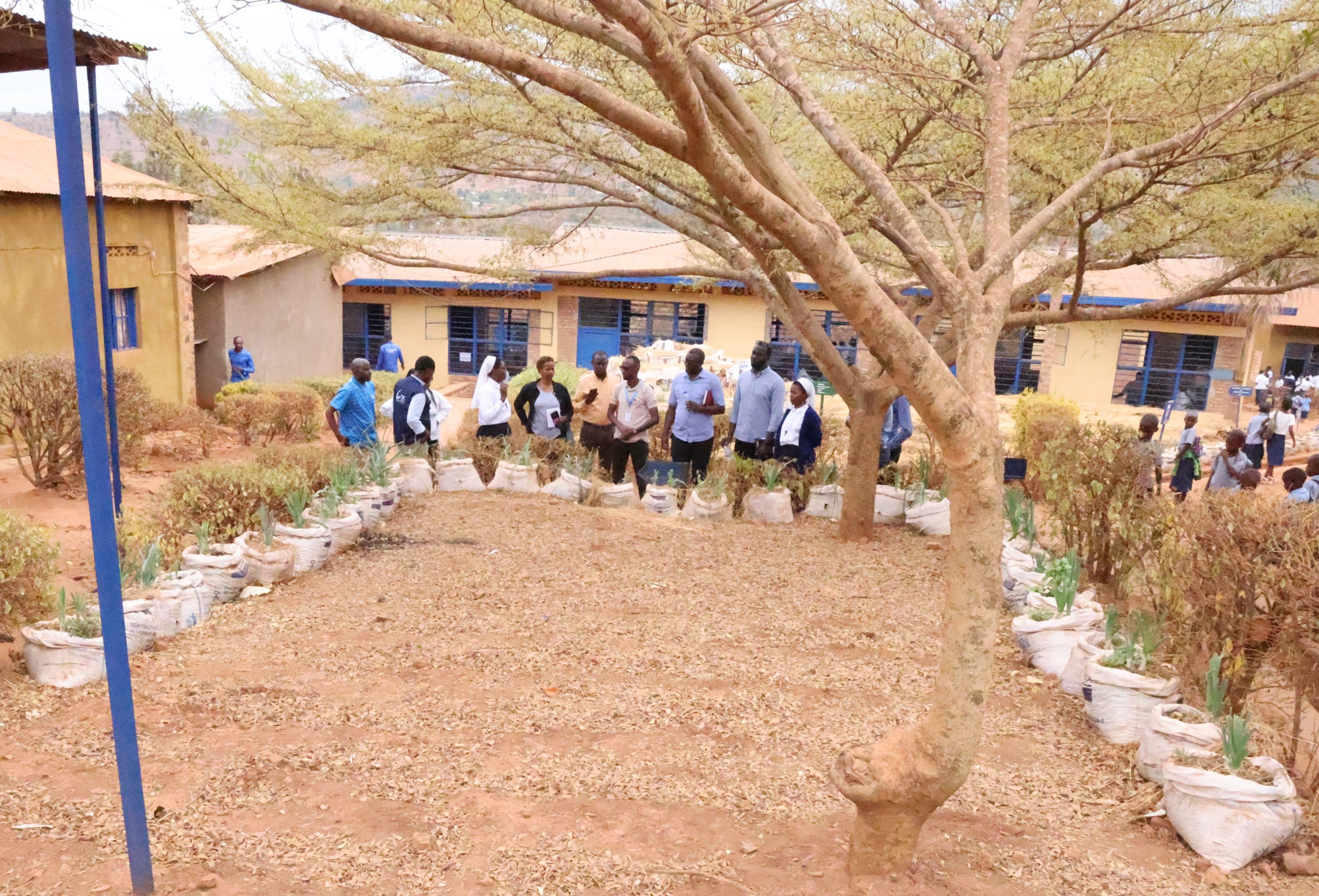
The STRONGER Project also provides schools with vegetable seeds and fruit tree seedlings to support school gardening and promote access to nutritious foods. Schools plant and care for the vegetables and fruit trees, contributing to a healthier food environment for students and providing practical opportunities to promote nutrition.

At health facilities, the monitoring team reviewed how nutritional assessments of girls attending schools and those reached through community platforms were recorded. Proper documentation of these assessments is important for tracking the nutritional status of adolescent girls and ensuring that those who need support can be appropriately followed up.

The visiting team observing the Groupe Scolaire Gishanda’s vegetable garden. The seeds were provided by the STRONGER Project.

Learning from implementation

The joint monitoring visits provided an opportunity for partners to review progress, exchange good practices, identify implementation gaps and agree on actions to improve the quality and sustainability of nutrition interventions.

Partners commended the relevance of the STRONGER Project interventions in supporting adolescent girls and young women. They also highlighted the importance of strengthening documentation of all students receiving services through Girls’ Rooms, particularly to ensure that every girl who receives support is properly recorded.

The lessons and recommendations from the visits will guide partners in strengthening implementation, improving documentation and ensuring that adolescent girls and young women continue to receive quality, responsive and evidence-based nutrition support.

September 1, 2026

As the Igire-Gimbuka Program approaches the end of its implementation period, Caritas Rwanda created an opportunity for staff to pause, reflect, reconnect and celebrate their contribution. This included a wellbeing and stress management session, as well as friendly matches between Igire-Gimbuka and Caritas Rwanda teams, from 27th to 28th August 2026 in Kigali.

The wellbeing and stress management session took place at the Convent of the Carmelite Sisters in Nyamirambo on 27th August 2026, while the football and volleyball matches held at Mumena Sport Playground on 28th August 2026.

The first day focused on wellbeing and stress management. Staff reflected on what causes stress, how they recognize its signs and the different ways they cope with pressure. The discussion highlighted that stress can come from work demands, uncertainty about employment and challenges in family life.

A key message was the importance of having someone trustworthy to talk to during difficult moments (called “mingo”). Staff were encouraged to maintain supportive relationships with colleagues, friends and family members as an important source of strength and resilience.

Recognizing the people behind the results

During the session, certificates of appreciation were presented to staff across different roles. Each staff member was personally recognized for their commitment, strengths and contribution to the program.

The recognition reminded staff that behind every program achievement are people whose dedication and hard work make results possible.

Caritas Rwanda, a family

Father Oscar Kagimbura, the Secretary General of Caritas Rwanda joined the closing session and thanked Igire-Gimbuka staff for their contribution.

He described Igire-Gimbuka as one of Caritas Rwanda’s largest and most impactful programs, highlighting its contribution to vulnerable communities and to the growth of the organization.

He encouraged staff to manage stress positively and reminded them of the importance of prayer and faith in everyday life. “God is never absent and never late; it is people who are impatient”, he emphasized.

He also reminded staff that Caritas Rwanda is like a family, assuring them that even when contracts end, their connection with the organization remains.

Building stronger teams through sport

The second day brought staff together at Mumena Sport Playground for friendly football and volleyball matches involving colleagues from different Caritas Rwanda programs.

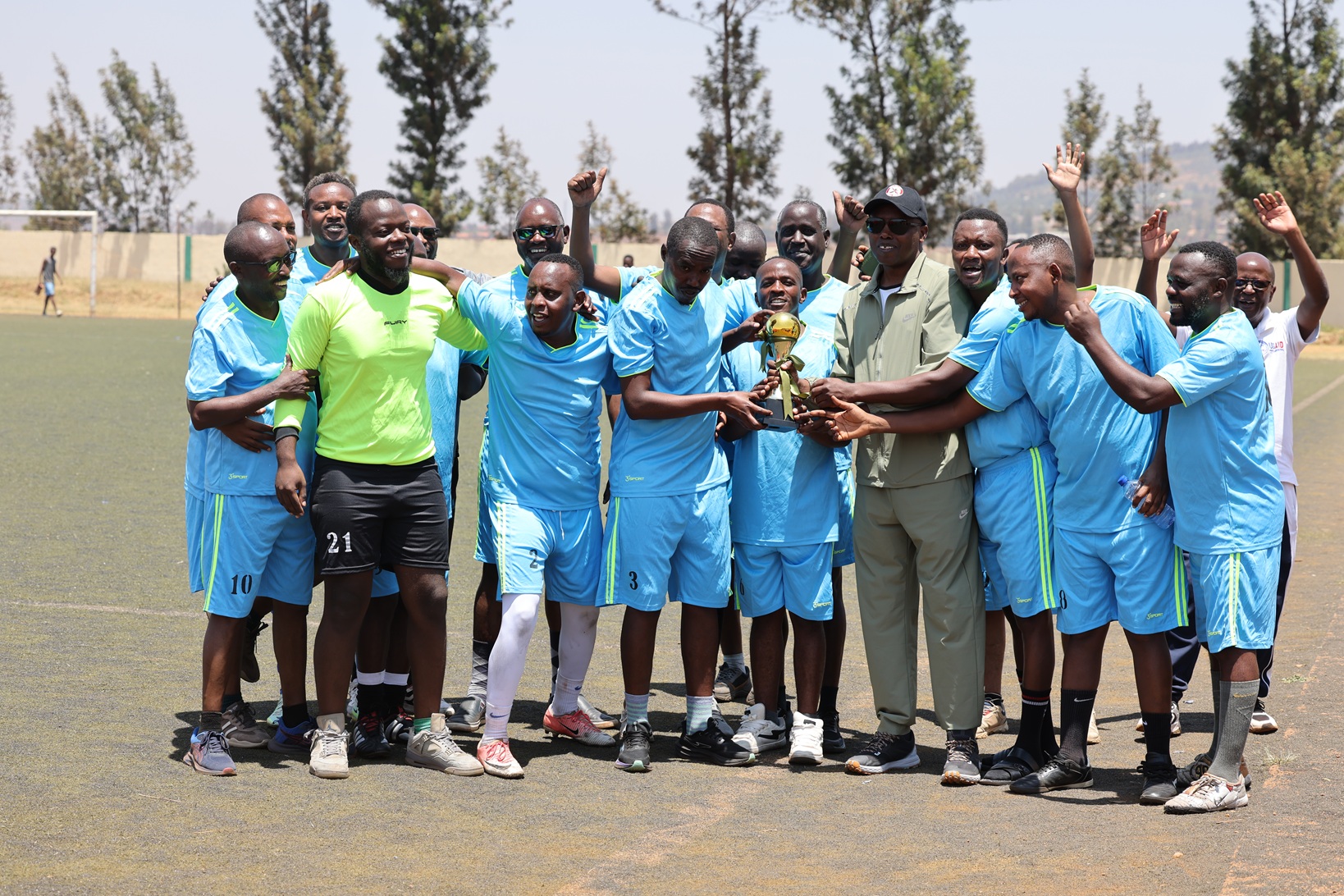
In football, the Igire-Gimbuka team secured a 2–1 victory over the Caritas Rwanda team.

The Igire-Gimbuka football club, celebrating the victory.

In volleyball, Caritas Rwanda came out on top, winning 2–0 sets against the Igire-Gimbuka team.

Beyond the scores, the matches provided a great opportunity to strengthen teamwork, build trust, foster connections and create shared experiences among colleagues.

August 31, 2026

On Sunday, 30 August 2026, Caritas of the Archdiocese of Kigali celebrated the 50th anniversary of Caritas and the Justice and Peace Commission. The celebrations began with a Thanksgiving Mass celebrated at the Sainte Famille Church in Kigali.

In his homily, His Eminence Antoine Cardinal Kambanda emphasized that Caritas does not rely solely on the support of wealthy people. He noted that people who themselves experience the challenges of poverty are also capable of pooling their modest resources to support others going through difficult times.

“No one is so poor that they have nothing to give to their neighbour. Even a vulnerable person can offer you words of encouragement or pray to God for you, so that what they are unable to do for you, God may accomplish,” said His Eminence Antoine Cardinal Kambanda.

Addressing the healthcare issue, Cardinal Kambanda said that more than three million people have received care through the three hospitals and 16 health centres of the Archdiocese of Kigali, which are supervised by the Health Department of Caritas Kigali.

He also expressed his appreciation to the Government of Rwanda for strengthening the Community-Based Health Insurance scheme (Mutuelle de Santé), thereby facilitating access to healthcare for the population. He recalled that Caritas Kigali had previously piloted a similar approach, particularly by facilitating access to affordable ambulance services for members of the Community-Based Health Insurance scheme. The Government later expanded this approach to the entire population and to a wider range of health services.

The jubilee celebrations also provided an opportunity to honour all those who have contributed to the work of Caritas Kigali over the past five decades. They include bishops, priests, consecrated persons, the faithful, volunteers, partners, public institutions, and all those who have contributed to ensuring that the message of love, justice and peace reaches communities.

The offering collected during the Thanksgiving Mass marking the 50th anniversary of Caritas Kigali will be dedicated to constructing a home for a family who doesn’t have decent house. Over the years, Caritas Kigali has placed particular emphasis on supporting people without adequate shelter, including through the construction of houses that enable them to live in more dignified conditions.

August 26, 2026

Fifteen staff members from the Caritas Rwanda ECD-based projects Project have strengthened their knowledge and practical skills in Early Childhood Development following a five-day capacity-building workshop held from 17 to 21 August 2026 at Sainte Famille Hôtel in Nyarugenge District.

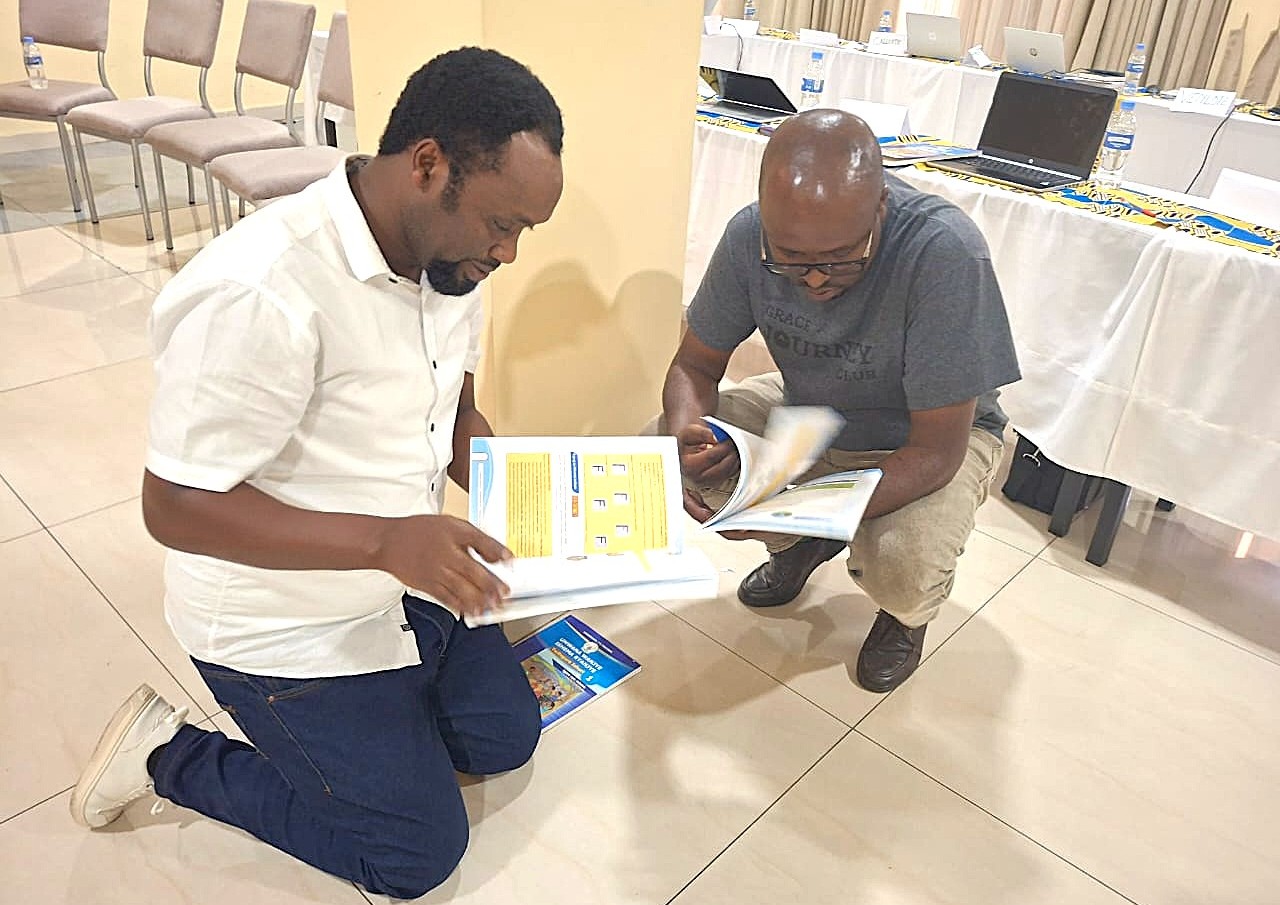
This training was initiated by Caritas Rwanda’s ECD Project, funded by Plan International Rwanda. The training focused on strengthening participants’ understanding and application of Twitegure Ishuri Volumes 2 and 3, the pre-primary Competence-Based Curriculum (CBC), teaching and learning strategies, pedagogical tools, daily ECD routines, and appropriate assessment approaches.

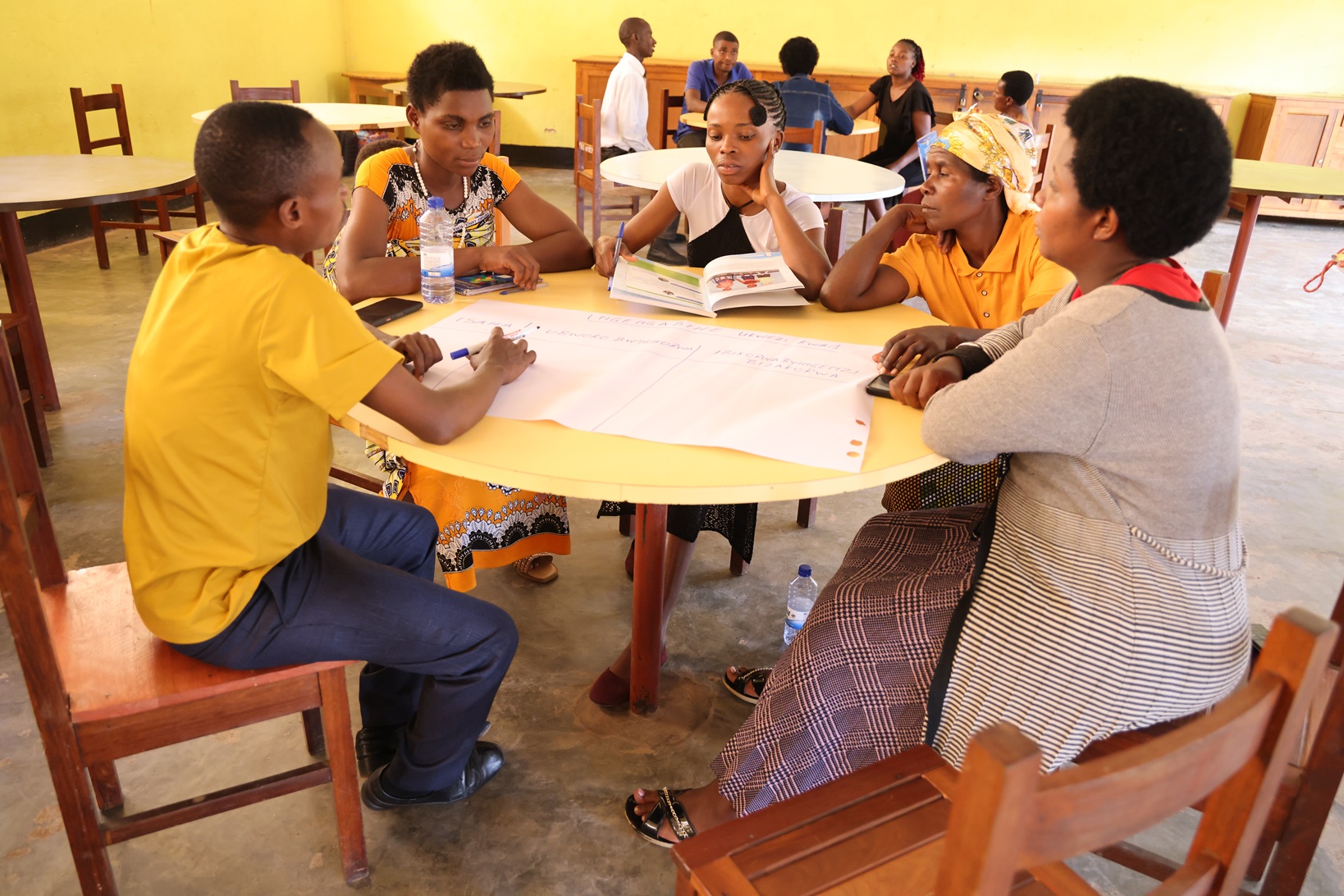
Using participatory methods, including group discussions, practical exercises, demonstrations, micro-teaching, brainstorming, and indoor and outdoor activities, the training enabled participants to connect theory with practical ECD implementation.

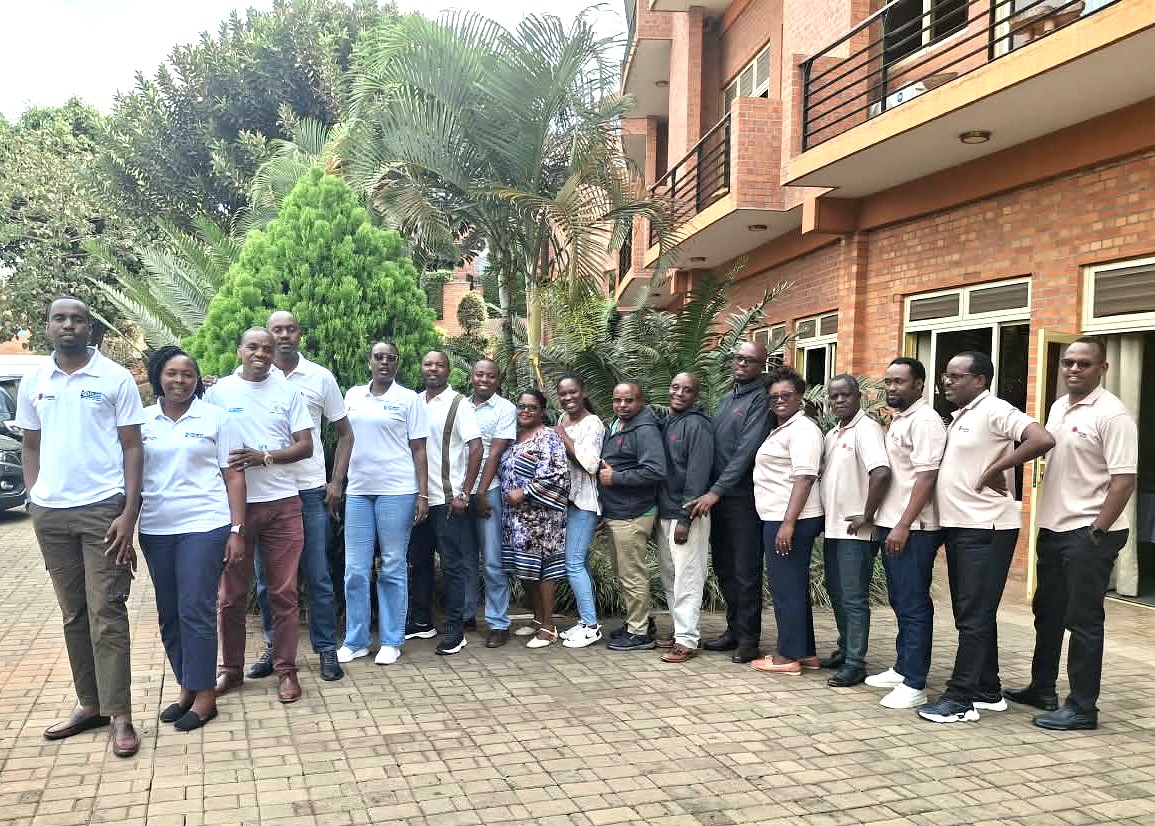
Group photo – the participants and their trainers.

The impact of the training was reflected in the assessment results. The average score increased from 9.3/15 (61.8%) before the training to 12.1/15 (80.4%) after the training, representing an improvement of nearly 30%. The lowest score also increased from 6/15 to 10/15, with one participant achieving a perfect score of 15/15.

By the end of the workshop, participants were better equipped to facilitate community-based ECD activities, understand the CBC and its key components, distinguish different pre-primary education tools, and apply ECD standards to support holistic child development.

Participants noted that five days were not sufficient to cover the CBC in depth, particularly as it was their first CBC-focused training. A refresher training is therefore recommended in the next quarter to consolidate the knowledge and skills gained during the workshop.

After the training, the staff began cascading their knowledge to caregivers in home-based ECD centres and the projects they work with, from 24 to 27 August 2026.

Cascading training on Pre-primary CBC to ECD caregivers in Rulindo (24 – 27 August 2026).
August 17, 2026

From 10th to 14th August 2026, the PEES Project organized a Training of Trainers on Reproductive Health, Gender and Safeguarding at the Incuti Pastoral Centre in Rusizi, bringing together teams from Caritas Rwanda and the Dioceses of Cyangugu and Gikongoro.

The training brought together 21 participants, including PEES Project Coordinators, Monitoring and Evaluation Officers, Moral Values Officers, accountants and Development Animators. During the three-day training, participants strengthened their knowledge and skills in reproductive health, gender and safeguarding.

The overall objective was to enable participants to better understand and prevent risks related to these areas, promote the rights and dignity of vulnerable people, and contribute to creating safe, inclusive and protective environments within the communities targeted by the programme.

The training also emphasized the role of community actors in raising awareness, providing support and protecting populations, particularly young people and vulnerable individuals.

During his visit to the participants, Monsignor Edouard Sinayobye, Bishop of the Diocese of Cyangugu, highlighted the importance of putting people at the centre of every development and solidarity action. “Helping a poor person is the greatest of gifts,” he stressed, while emphasizing the need to educate young people so that they can better understand their health and make responsible decisions.

Monsignor Edouard also emphasized that complementarity between men and women is a fundamental value for harmonious living and a balanced society.

He finally expressed his gratitude to SCCF for its support to the PEES Project, which contributes to supporting and strengthening the capacities of young people and communities.


July 31, 2026

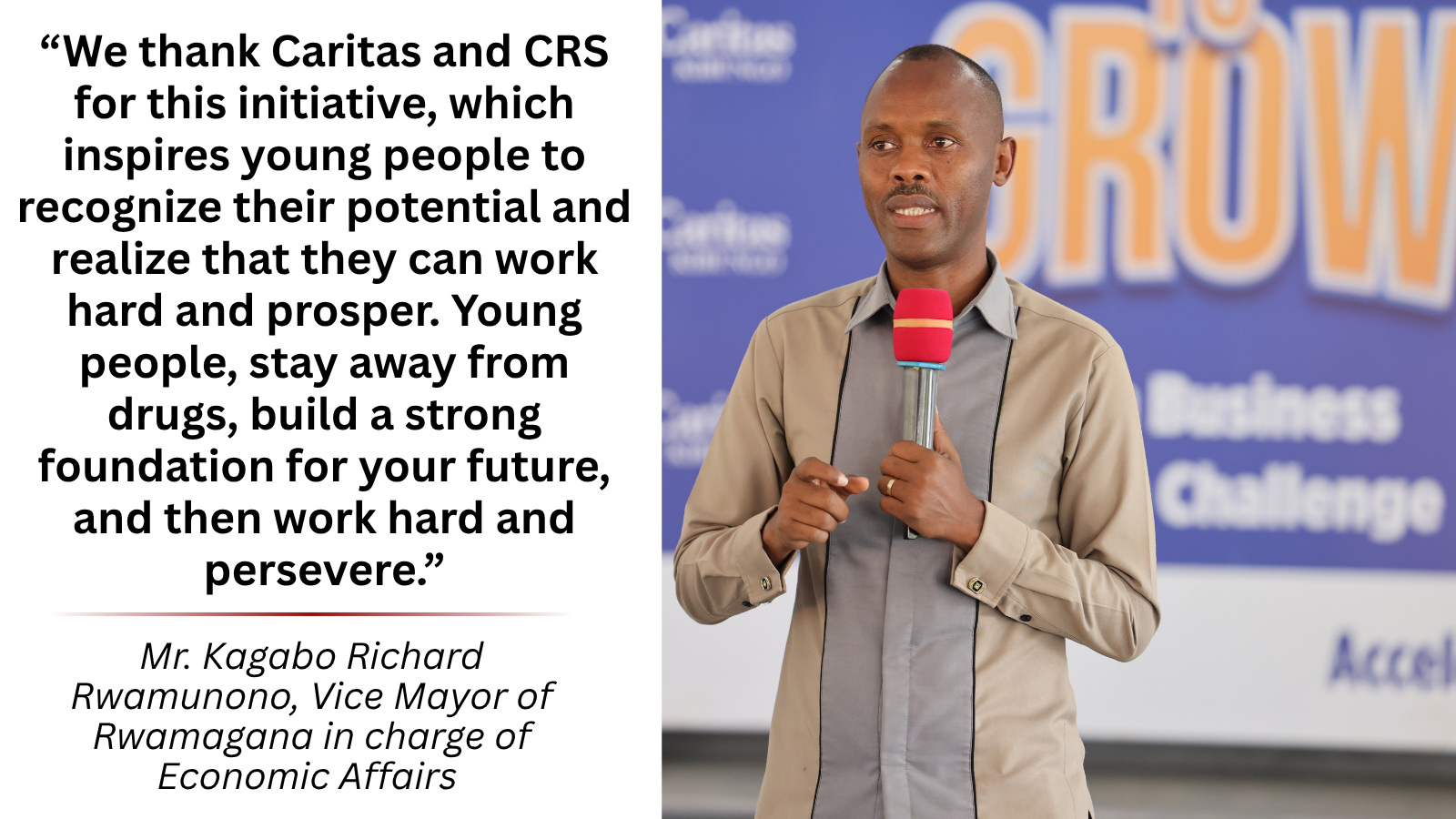
Thirty youth-led business groups showcased their potential in the Compete to Grow Challenge finals, with Rwf 42.6 million awarded to support their business growth. Organized by Caritas Rwanda, Caritas Kibungo and CRS Rwanda, the challenge supported young entrepreneurs to strengthen their businesses, access opportunities and build sustainable enterprises.

Thirty youth-led business groups from Goma, Kayonza and Rwamagana (10 in each district) showcased their entrepreneurial skills, innovation and determination during the final pitch of the Compete to Grow Challenge, held on 23rd, 28th and 30th    July 2026 respectly in every district.

The events were organized by Caritas Rwanda, in partnership with Caritas Kibungo and Catholic Relief Services (CRS), as part of the Gera Ku Ntego Youth Project, to support young entrepreneurs to strengthen and expand their businesses.

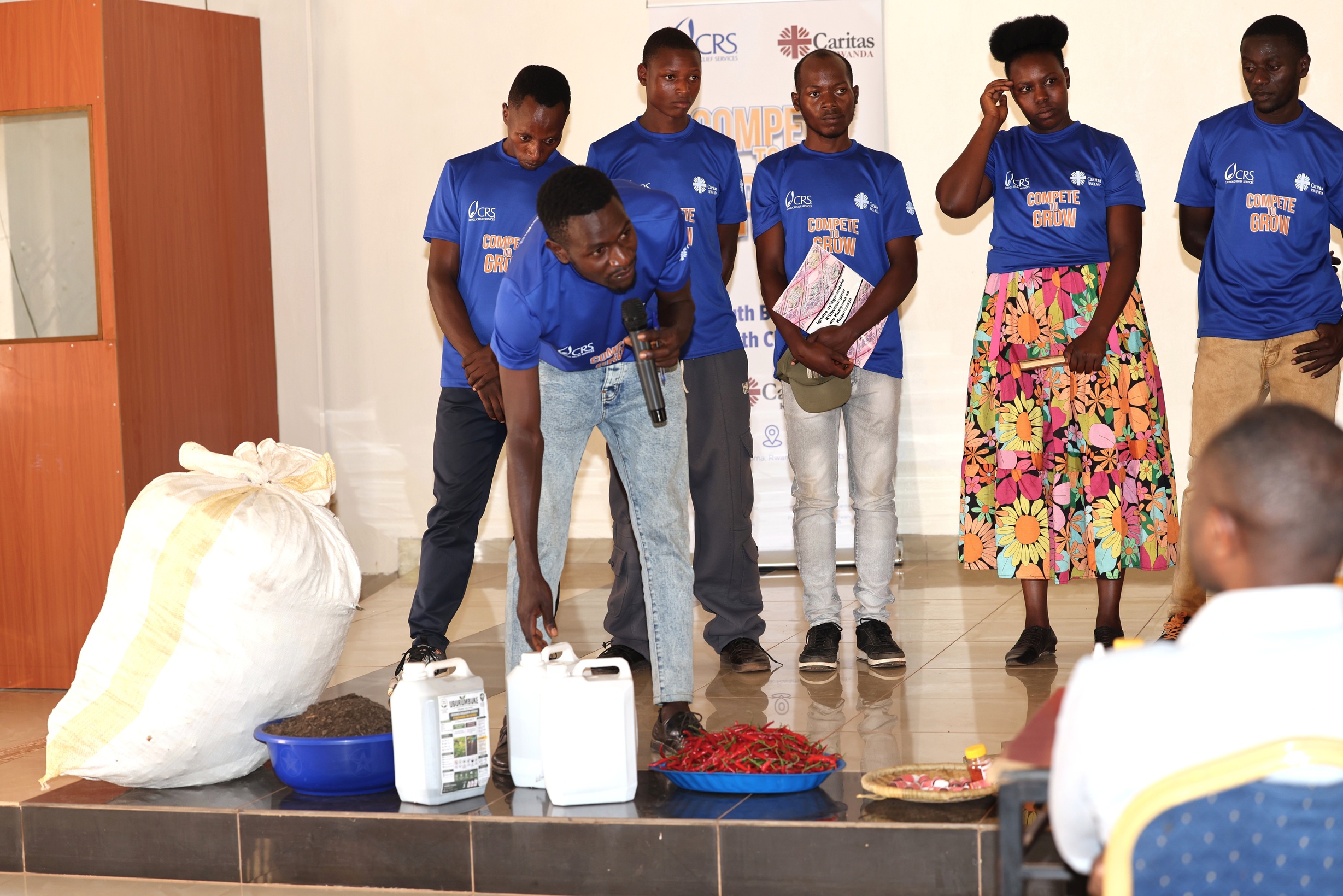
The ten finalist groups in every district presented their income-generating businesses before a panel of judges and the public, responding to questions on their business models, achievements, challenges and future growth plans.

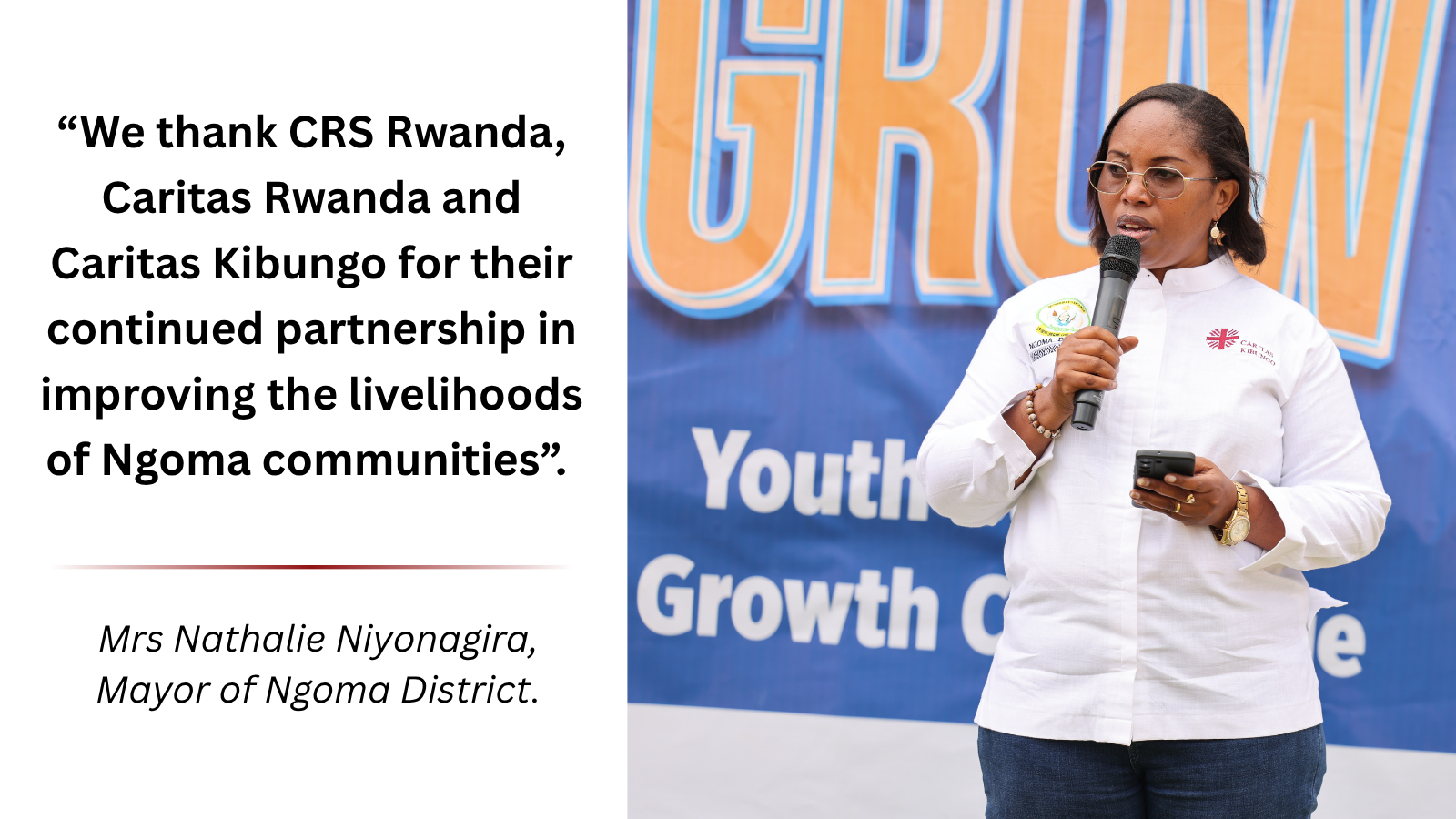
Addressing the young entrepreneurs from Ngoma District, Chandra Kumud, Country Manager of CRS Rwanda, encouraged them to take advantage of the opportunities and support available to further grow their businesses.

“Use them to grow your businesses even further. But this is not the end. This is the beginning of your journey. Do not take your eyes off the prize.”

She urged the young entrepreneurs to remain focused and continue demonstrating the potential of their businesses in the months ahead.

Strengthening youth entrepreneurship

Representatives from various banks presented their financial products and services, highlighting opportunities available to young entrepreneurs to access finance and grow their businesses.

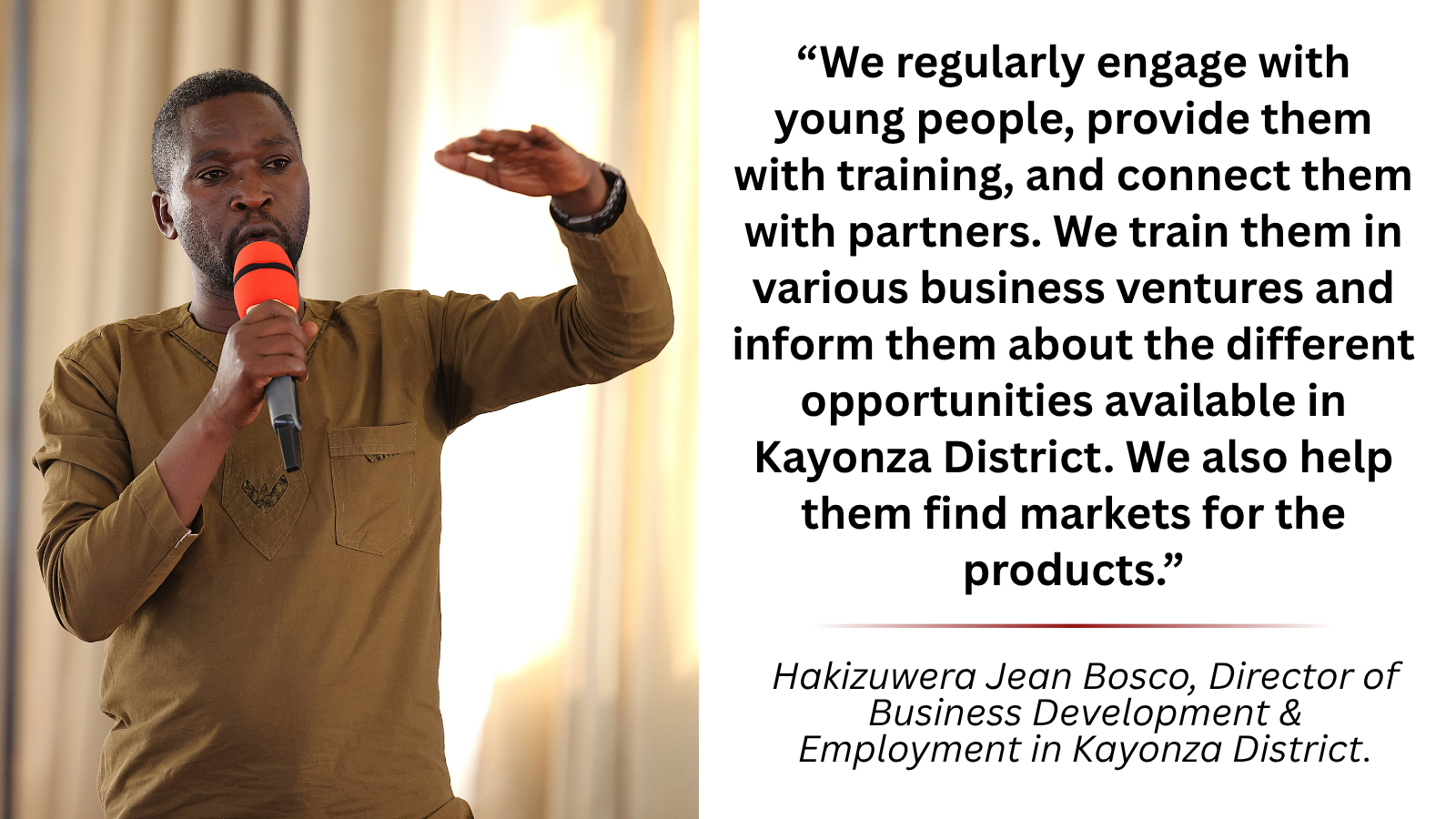
In their speeches, districts leaders who attended the final pitch events encouraged the youth to make good use of the opportunities and support provided through the programme and to continue working towards improving their livelihoods and contributing to the development of their communities.

The Compete to Grow Challenge is part of the Gera Ku Ntego Youth Project, implemented from 2024 to 2026 in Ngoma, Kayonza and Rwamagana districts by Caritas Kibungo under the supervision of Caritas Rwanda, with funding from CRS Rwanda.

The challenge was designed to support and accelerate the growth of youth-led businesses, helping young entrepreneurs move beyond business start-up and build sustainable enterprises.

This competition brought together 216 youth groups across Ngoma, Kayonza and Rwamagana districts, with 64 groups from Ngoma, 79 of Kayonza and 73 of Rwamagana District.

Of these, ten groups advanced to the final stage, and all ten finalists were awarded prizes in recognition of their efforts and entrepreneurial potential.

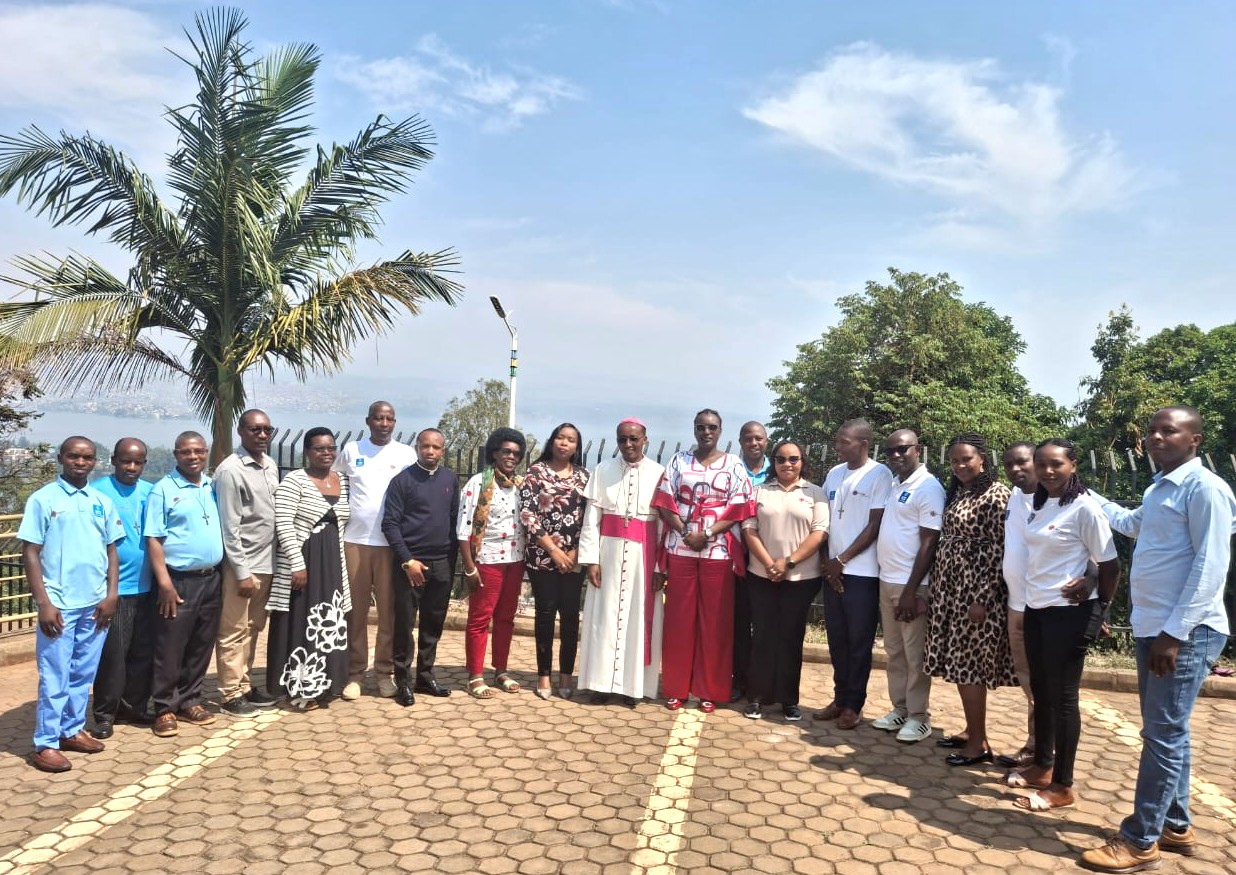
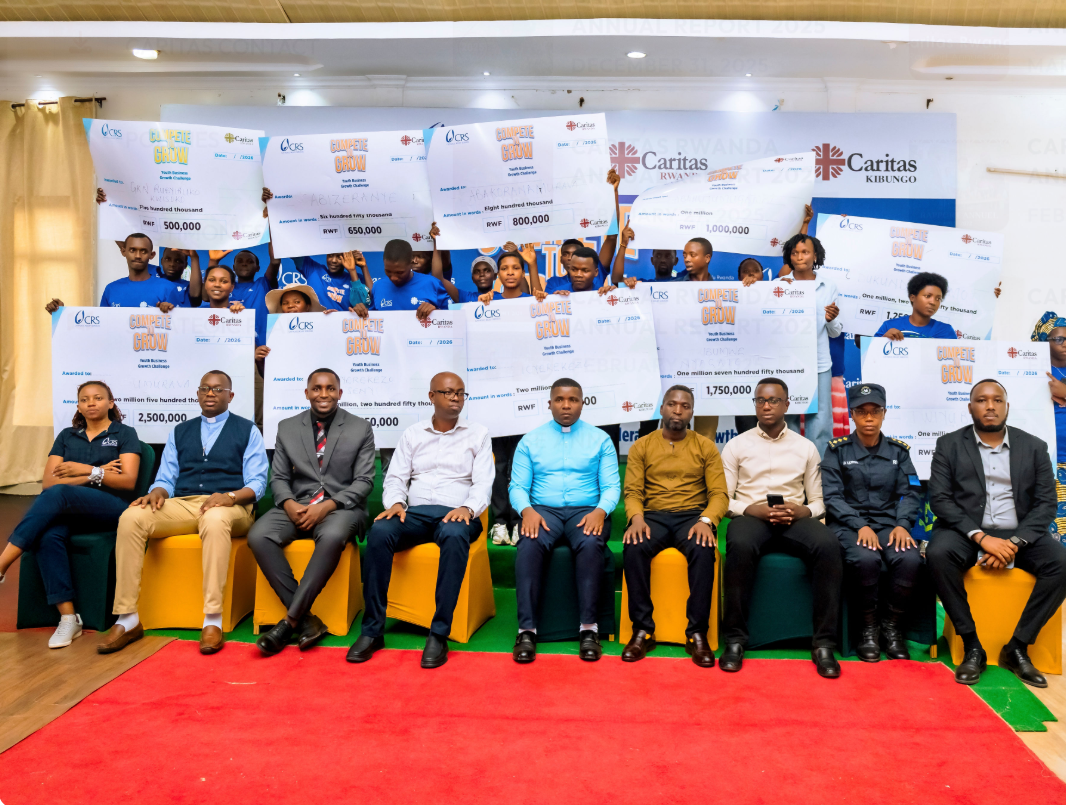
Representatives of the groups that won the “Compete to Grow” competition in Kayonza District together with the officials who attended the event.

The Icyizere (from Ngoma), Umurava (from Kayonza) and  Terimbere (Rwamagana) Youth groups emerged as the overall winners and won Frw 2,500,000 each.

A total of Rwf 42.6 million was awarded to thirty finalists.

July 17, 2026

As preparations for the annual Charity Month continue, on 13th July 2026, Caritas Rwanda and representatives from all diocesan Caritas met in Huye to review past achievements, share successful experiences, and develop strategies to further strengthen community participation in this nationwide campaign of solidarity.

Opening the meeting, Fr. Oscar Kagimbura, Secretary General of Caritas Rwanda, reminded participants that the mission of Caritas goes beyond fundraising. “This meeting is an opportunity to remind ourselves of our responsibility as Caritas to put the Gospel into practice through concrete charity acts.” he said.

Fr. Kagimbura also reflected on Pope Francis’ document Dignitas Infinita, emphasizing that people living in poverty should not be viewed merely as beneficiaries of charitable assistance, but as partners in promoting human dignity and integral development.

Father Oscar Kagimbura, the Secretary General of Caritas Rwanda, delivering his opening remarks.

Sharing experiences that inspire growth

Participants reviewed the results of the Charity Month campaign since its introduction in 1998 before exchanging experiences on approaches that have successfully increased local contributions.

One of the most remarkable testimonies came from the Butare Diocese, which increased its collections by 241%, growing from Rwf 3 millions to Rwf 10 millions.

Among the parish success stories, Mugombwa Parish shared how recognizing and motivating volunteers through appreciation events has strengthened their commitment to mobilizing communities. The parish also begins awareness campaigns in schools before the summer holidays to maximize participation.

Participants also discussed challenges affecting some parishes, including poor agricultural harvests, competing financial priorities among Christians, and limited understanding of Caritas’ mission. They agreed that continuous awareness-raising is essential to help communities understand the importance of supporting Caritas Rwanda’s humanitarian and social mission.

The meeting further highlighted the need for greater participation from some religious congregations that have the capacity to make stronger contributions.

Father Francois Habimana, Mugombwa Parish priest, sharing the parish testimony.

Learning from diocesan Caritas best practices

Representatives from the Dioceses of Kabgayi, Gikongoro, Nyundo, and the Archdiocese of Kigali shared practical strategies that have contributed to improved campaign performance.

These included:

  • Organizing meetings with parish priests to strengthen ownership of the campaign;
  • Conducting charitable activities before fundraising to demonstrate Caritas’ mission in action;
  • Mobilizing traders and business communities;
  • Carrying out door-to-door awareness campaigns through Small Christian Communities;
  • Sending personalized appeals to major contributors;
  • Using volunteer teams to visit households and record contributions transparently;
  • Publicly communicating collection results to build trust and accountability.

These experiences demonstrated that community engagement, transparency, and strong leadership significantly contribute to successful fundraising.

Supporting people affected by disasters

Fr. Kagimbura also explained how the funds collected during Charity and Mercy Month are distributed.

One quarter of the collections remains at the parish level, while the remaining amount is shared between the diocesan Caritas and Caritas Rwanda. The resources are used to support people affected by natural disasters and other humanitarian emergencies both within Rwanda and, when needed, internationally.

A shared commitment to do more

Building on the success of last year’s campaign, which exceeded its target by achieving a 20 % increase in collections, participants agreed to set an even more ambitious goal for 2026 by increasing contributions by at least 25 % across all diocesan Caritas.

Closing the meeting, H.E. Bishop Jean Bosco Ntagungira, the guest of honor, pledged to actively support the Charity Month campaign, following the example already practiced in the Ruhengeri Diocese.

H.E. Jean Bosco Ntagungira, Bishop of Butare Diocese was the guest of honor.

Encouraging participants to remain committed, H.E. Bishop Jean Bosco said: “We know the challenges you face. But do not lose courage.” He reminded participants that everyone has something to share, regardless of their financial situation, because there is always someone in greater need. According to him, giving is not only an act of charity but also a way of recognizing the dignity of both the giver and the receiver.

The meeting concluded with several recommendations, including strengthening parish Caritas structures, improving reporting systems, increasing awareness campaigns before the fundraising period, providing continuous training for parish Caritas committees, involving Church leaders at every level, and enhancing staff engagement. Together, these actions are expected to further strengthen the Charity and Mercy Month campaign and expand Caritas Rwanda’s capacity to serve the most vulnerable.

June 30, 2026

As part of ongoing efforts to prevent new HIV infections among young people and reduce unintended teenage pregnancies, Caritas Rwanda organized a two-day training for teachers from June 25–26, 2026, in Huye District.

The training brought together 30 teachers from 15 boarding schools located in the districts of Huye, Nyanza, and Gisagara. It aimed to strengthen participants’ knowledge and skills on HIV prevention, the prevention of unintended pregnancies among adolescents, combating stigma and discrimination against people living with HIV, and supporting students in accessing appropriate health services through timely referrals to health facilities.

Throughout the training, participants discussed practical approaches to promoting healthy behaviors among adolescents, creating supportive school environments, and ensuring that students receive accurate information and guidance on sexual and reproductive health. Particular emphasis was placed on the important role teachers play in identifying vulnerable students and linking them to appropriate healthcare services when needed.

At the end of the training, participants committed to applying the knowledge and skills acquired by strengthening HIV prevention education through Anti-AIDS Clubs in their schools. They also pledged to promote early screening and identification of risks related to HIV infection, unintended pregnancies, and mental health challenges among adolescents and young people aged 10 to 24, ensuring timely support and referrals for those in need.

The training was organized by Caritas Rwanda in partnership with the Rwanda Biomedical Centre (RBC) and the district authorities of Huye, Nyanza, and Gisagara. The initiative reflects the partners’ shared commitment to promoting the health, wellbeing, and future of Rwanda’s young people through education, prevention, and access to quality health services.

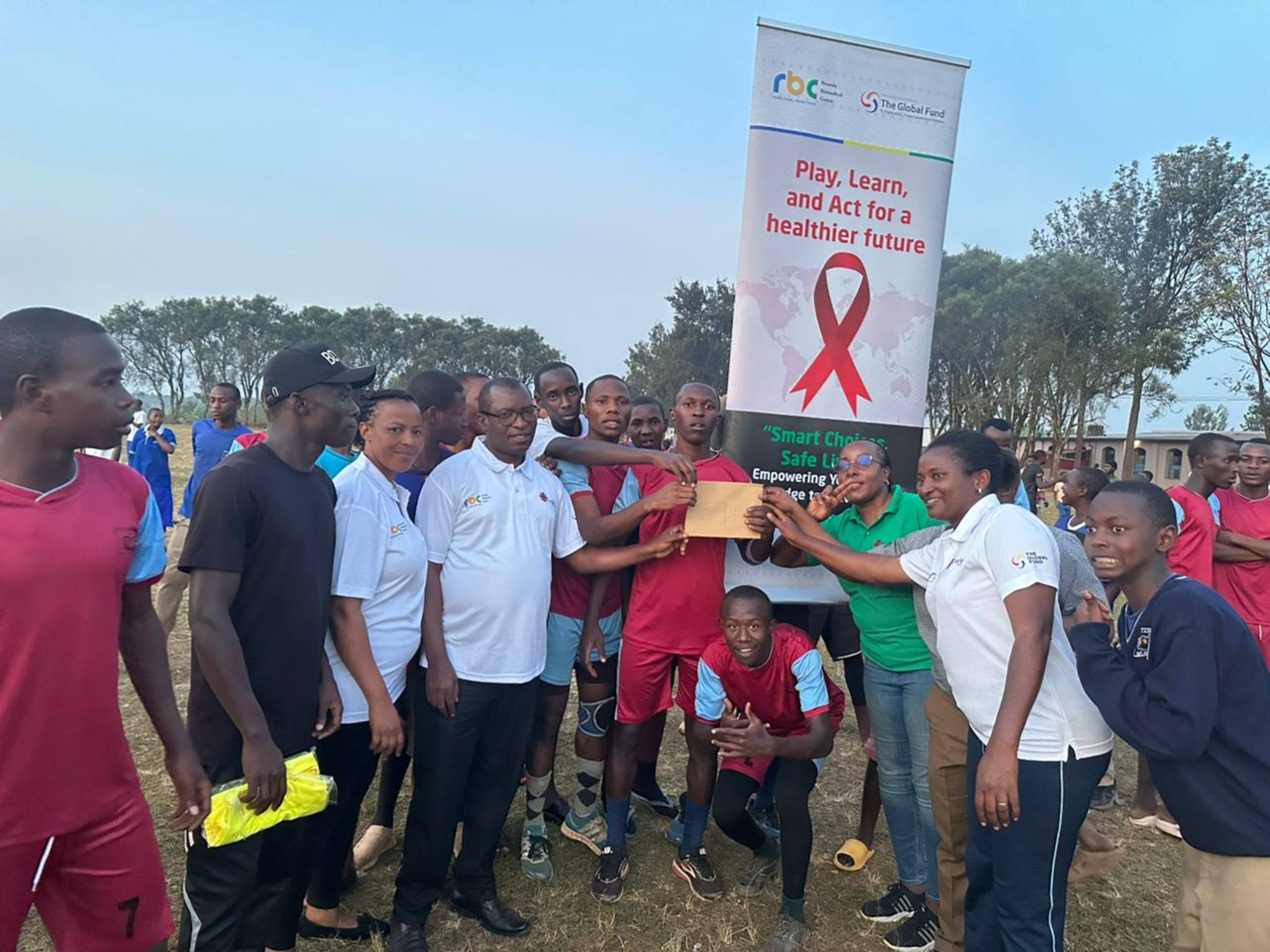
At the end of the training (27 June), a football match was held between GS Saint Joseph and GS Saint François d’Assise. The match ended with a 1–0 victory for GS Saint Joseph.

GS Saint Joseph football club won the match with 1-0 score against GS Saint François d’Assise.

Before and during the match, participants received awareness messages encouraging them to make informed decisions, protect themselves from HIV infection, and avoid behaviours that can lead to unintended pregnancies.