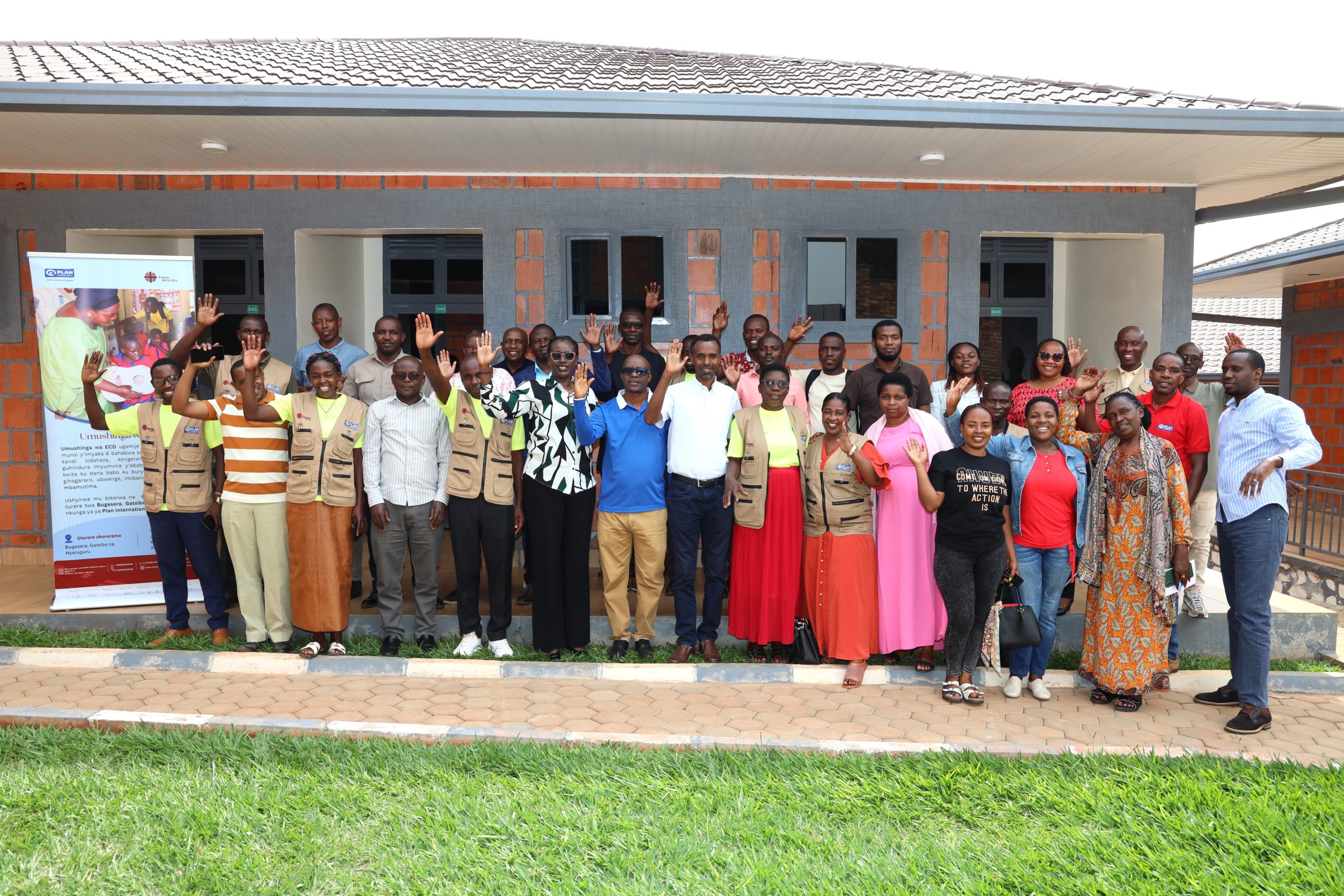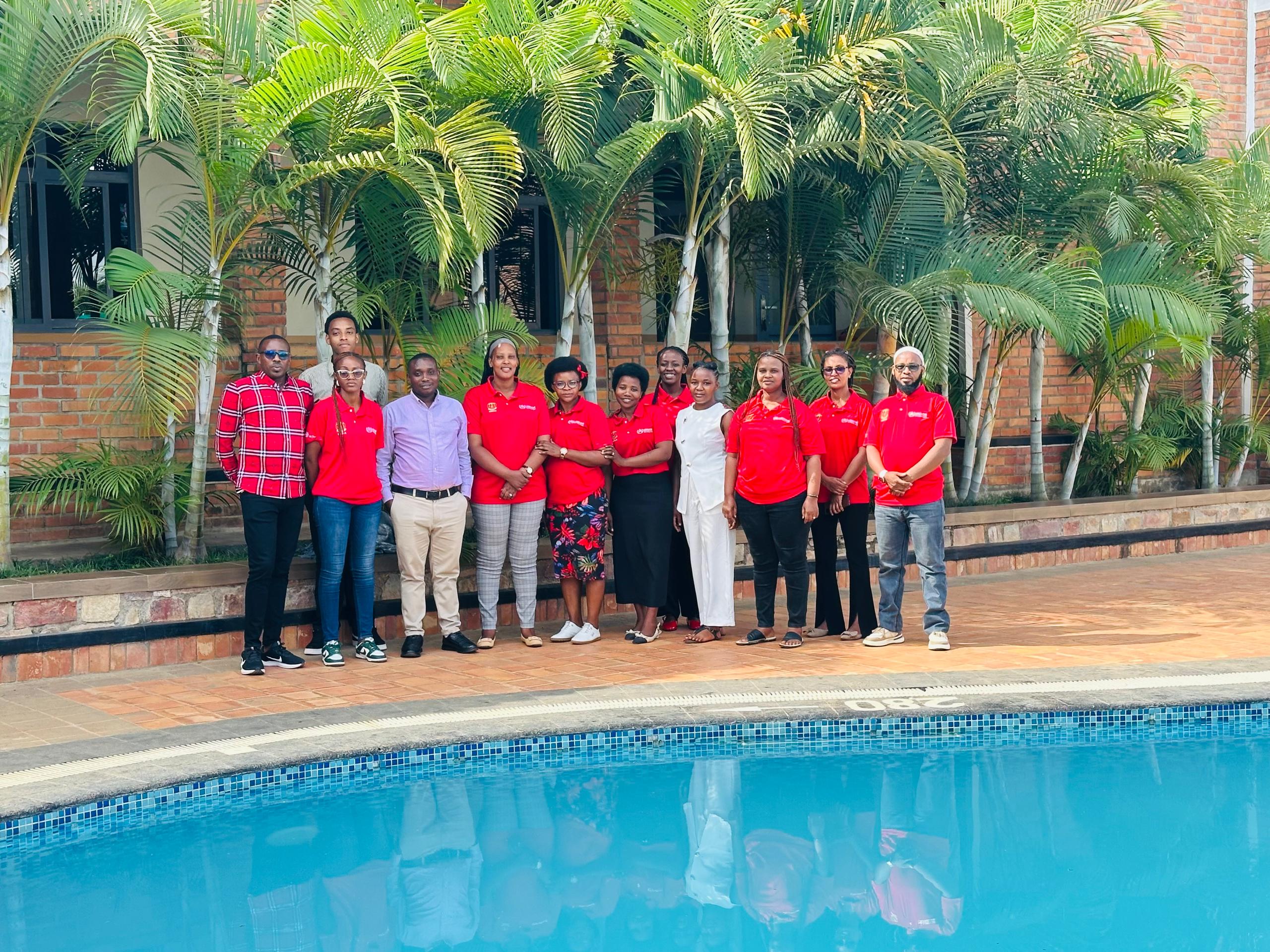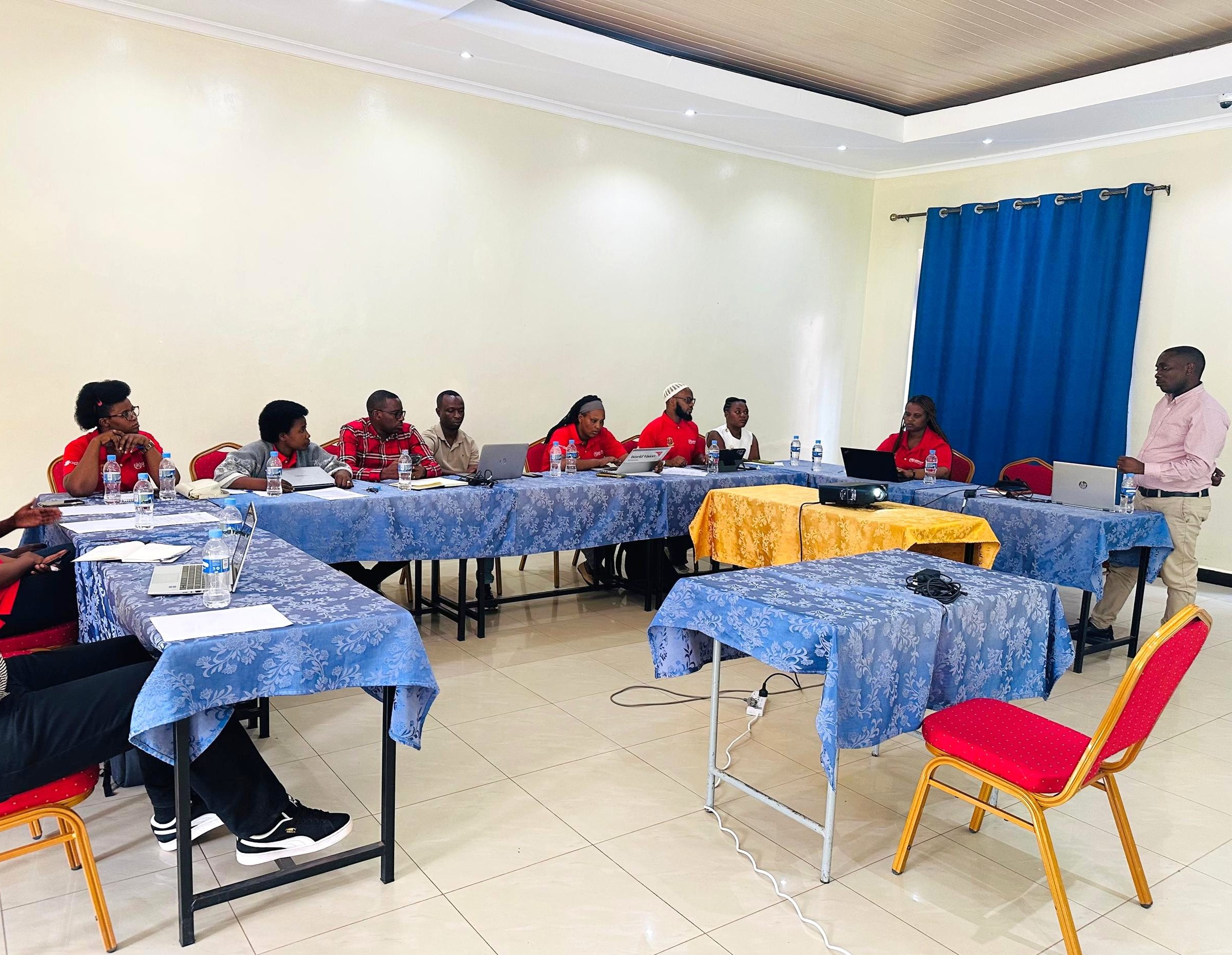

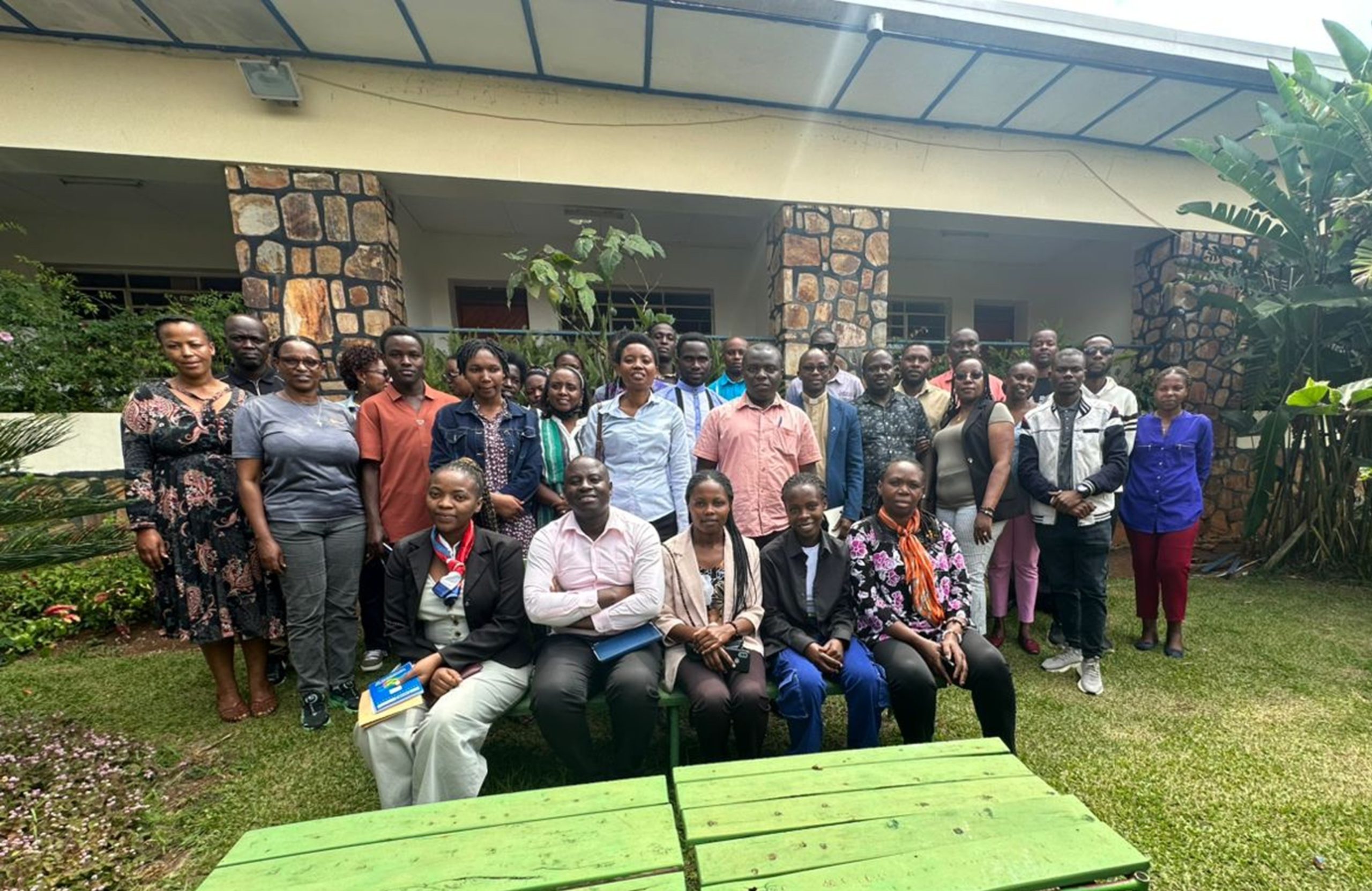
As part of ongoing efforts to prevent new HIV infections among young people and reduce unintended teenage pregnancies, Caritas Rwanda organized a two-day training for teachers from June 25–26, 2026, in Huye District.
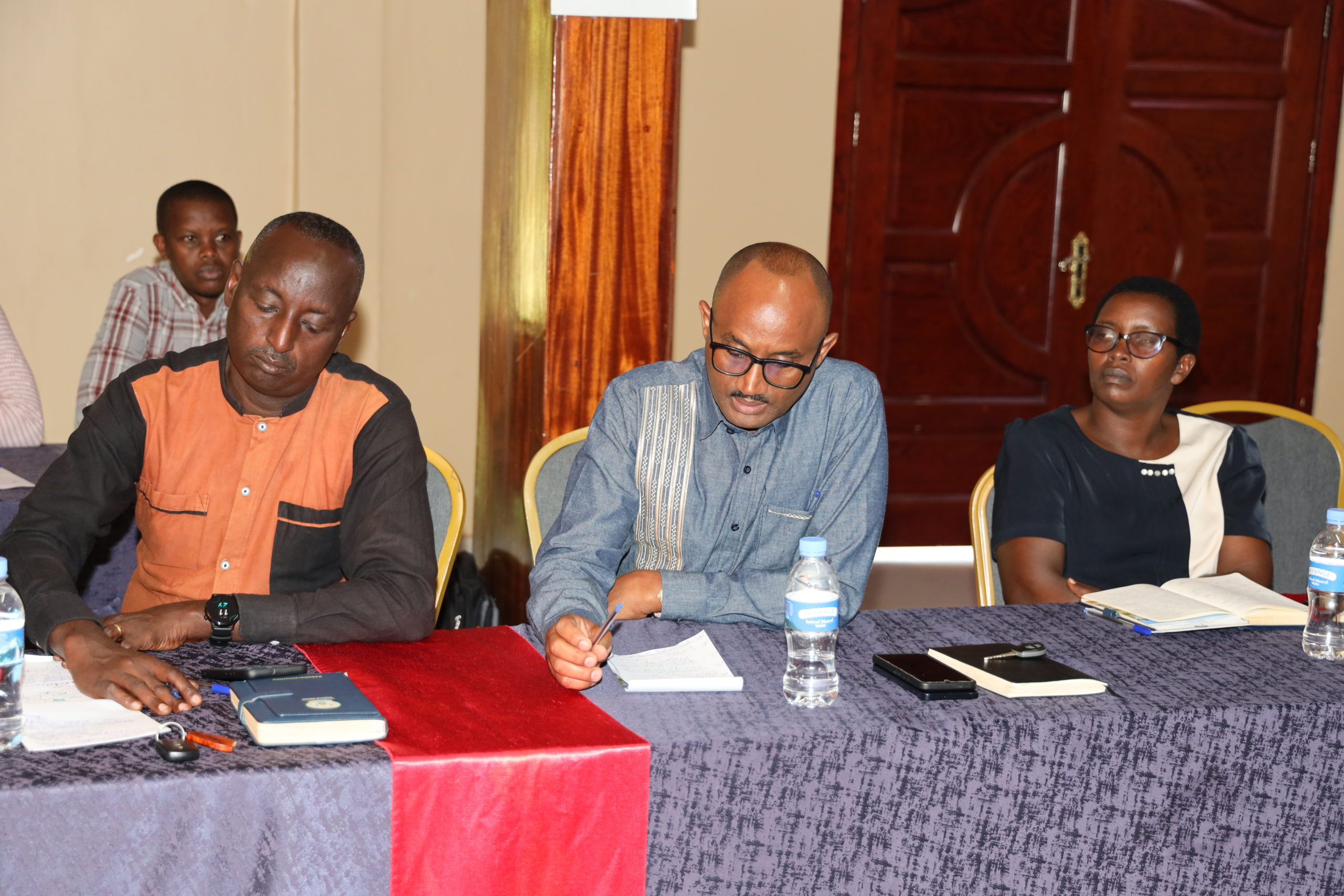
The training brought together 30 teachers from 15 boarding schools located in the districts of Huye, Nyanza, and Gisagara. It aimed to strengthen participants’ knowledge and skills on HIV prevention, the prevention of unintended pregnancies among adolescents, combating stigma and discrimination against people living with HIV, and supporting students in accessing appropriate health services through timely referrals to health facilities.
Throughout the training, participants discussed practical approaches to promoting healthy behaviors among adolescents, creating supportive school environments, and ensuring that students receive accurate information and guidance on sexual and reproductive health. Particular emphasis was placed on the important role teachers play in identifying vulnerable students and linking them to appropriate healthcare services when needed.
At the end of the training, participants committed to applying the knowledge and skills acquired by strengthening HIV prevention education through Anti-AIDS Clubs in their schools. They also pledged to promote early screening and identification of risks related to HIV infection, unintended pregnancies, and mental health challenges among adolescents and young people aged 10 to 24, ensuring timely support and referrals for those in need.
The training was organized by Caritas Rwanda in partnership with the Rwanda Biomedical Centre (RBC) and the district authorities of Huye, Nyanza, and Gisagara. The initiative reflects the partners’ shared commitment to promoting the health, wellbeing, and future of Rwanda’s young people through education, prevention, and access to quality health services.
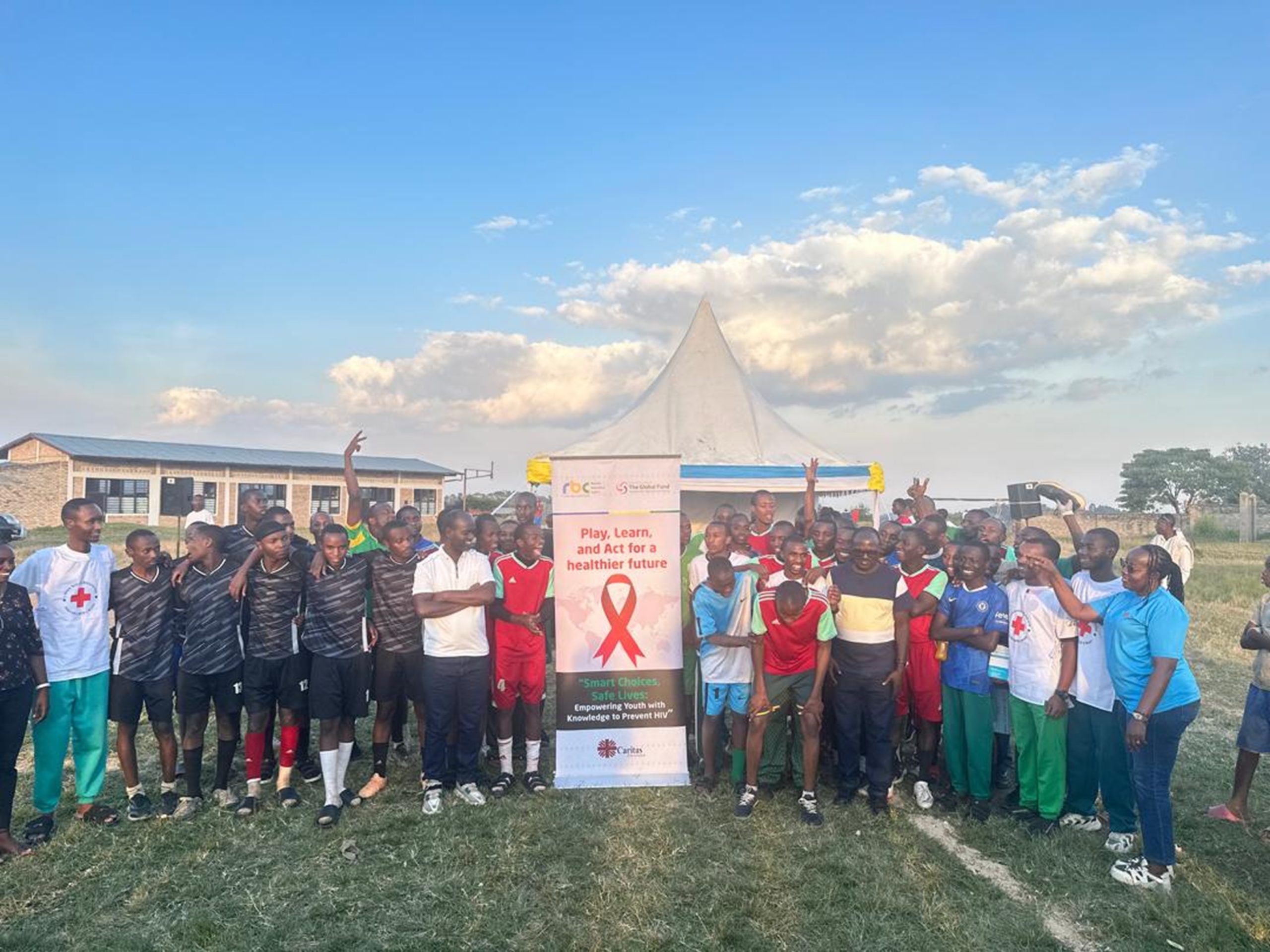
At the end of the training (27 June), a football match was held between GS Saint Joseph and GS Saint François d’Assise. The match ended with a 1–0 victory for GS Saint Joseph.
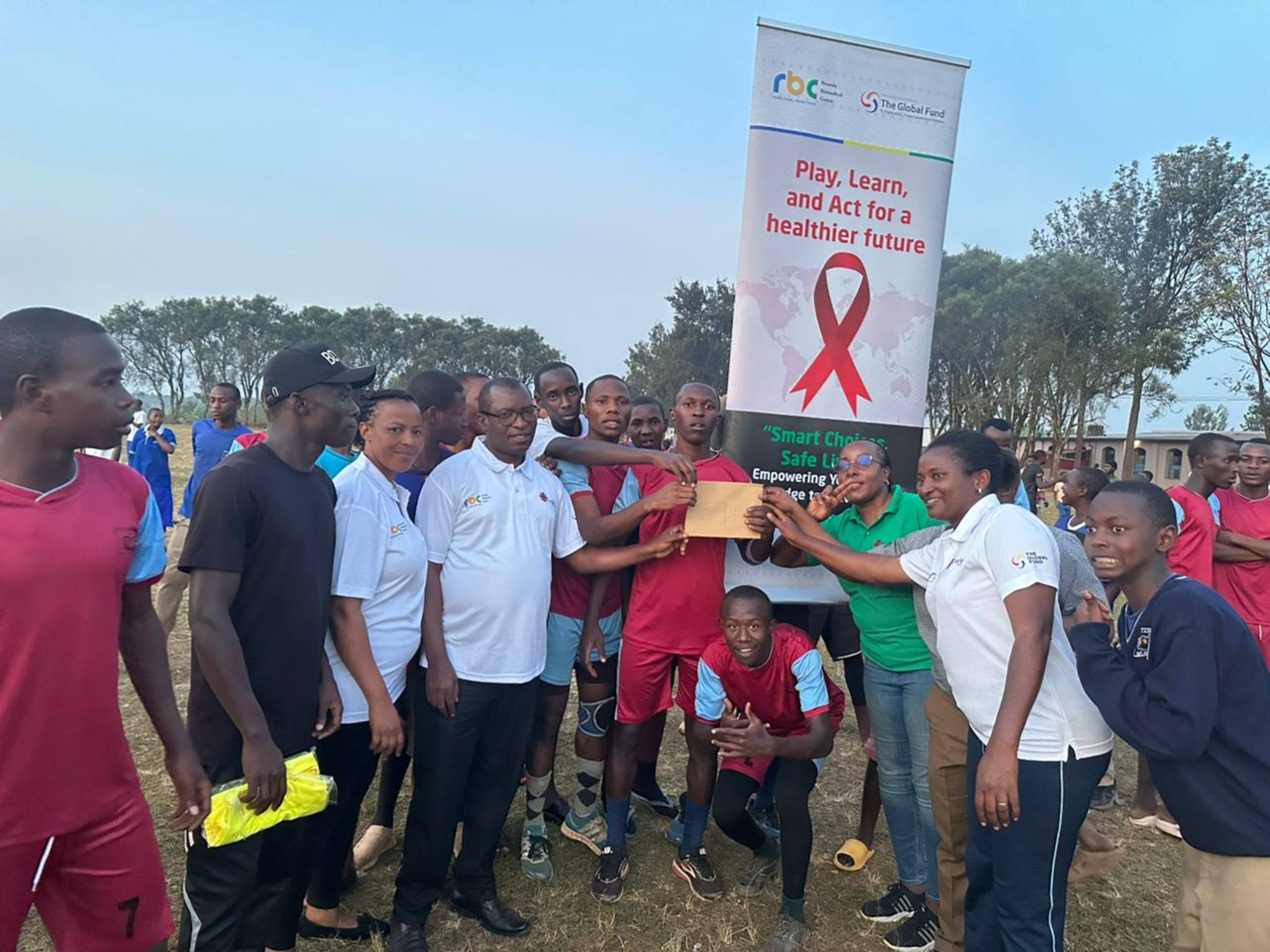
Before and during the match, participants received awareness messages encouraging them to make informed decisions, protect themselves from HIV infection, and avoid behaviours that can lead to unintended pregnancies.