
January 9, 2026

In Gatsibo District, increased male involvement in Early Childhood Development (ECD) has significantly improved children’s wellbeing and family relationships. Through the “Papa Rumuri” initiative, implemented by Caritas Rwanda under the ECD Project with support from Plan International Rwanda, fathers are now playing an active role in childcare, both at home-based ECD (HBECDs) and within their households.

Traditionally, childcare responsibilities have largely been considered the role of women, despite repeated awareness campaigns highlighting the importance of shared parenting. This imbalance often resulted in children missing out on essential services such as ECD attendance, proper nutrition, and emotional support, factors critical to healthy child development.

To address this gap, Caritas Rwanda introduced the Papa Rumuri program in 2022 across its supported HBECDs. The initiative aims to strengthen fathers’ participation in childcare while also responding to practical challenges such as shortages of firewood and water used in meal preparation at HBECDs. More importantly, it seeks to ensure that children benefit from the care and guidance of both parents.

Under the program, each village selects ten Papa Rumuri role models, and every HBECDs has at least one male representative. These men receive training on positive parenting, child development, and their specific role in supporting ECD services. They then cascade on this knowledge to other fathers in their communities, creating a ripple effect of behavioural change.

Parents in Gatsibo report that the initiative has helped children feel more secure and valued within a complete family environment. The lessons learned through Papa Rumuri extend beyond HBECDs into households, where improved cooperation between husbands and wives has strengthened family unity and economic progress.

Jean Bosco Ndagiwenimana, a father of four from Kabarore Sector, describes how his mindset has changed since becoming a Papa Rumuri. Previously, he believed that his responsibility ended with providing financially. Today, he regularly visits HBECDs, talks and plays with children, and supports household chores when his wife is busy.

“Sometimes I go to the HBECD and play with the children. They are very happy to see a man playing with them and encouraging them. It is important because raising a child should not be the responsibility of the mother alone. When my wife is busy, I support her with household work and childcare, and this has helped our family progress in ways we never experienced before,” he explains.

Antoinette Yankurije, a mother of two from Rwimbogo Sector, emphasizes the value of male participation at HBECD. Fathers now help fetch water, collect firewood, bring children to the HBECDs, and attend parenting sessions, contributions that strengthen collaboration between parents and improve family life at home.

The positive impact of the program is also observed at the institutional level. Christine Kayitesi, ECD Project Coordinator at Caritas Rwanda, notes that tangible changes have occurred since the introduction of Papa Rumuri.

“We see clear results. Women tell us that childcare is no longer their responsibility alone. Fathers now bring children to HBECDs and pick them up when mothers are unavailable. In the past, a child would miss ECD sessions even when the father was at home. Today, that no longer happens,” she says.

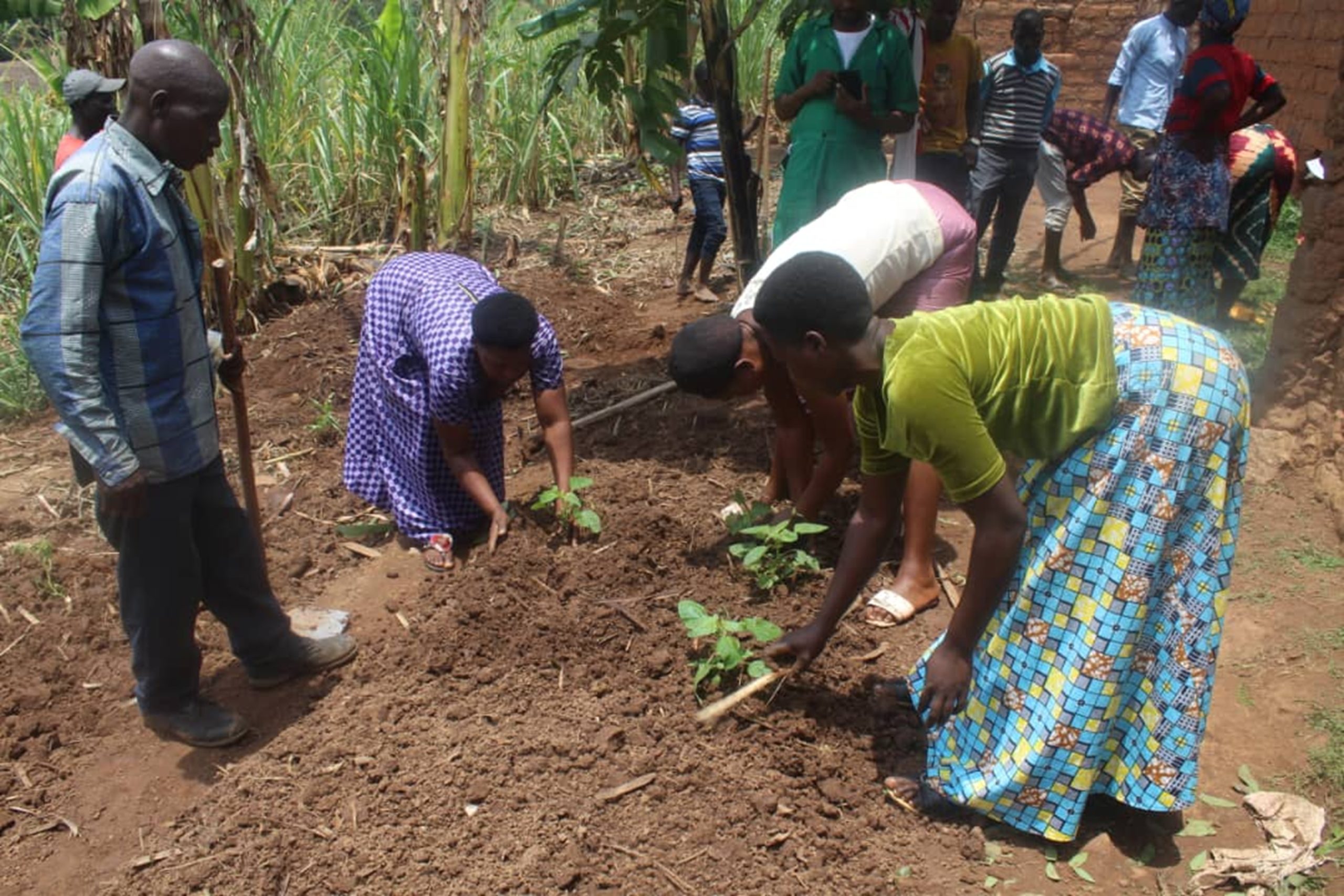
Men are also actively involved in establishing kitchen gardens at HBECDs and supporting logistics such as water and firewood supply, tasks that further strengthen service delivery and sustainability.

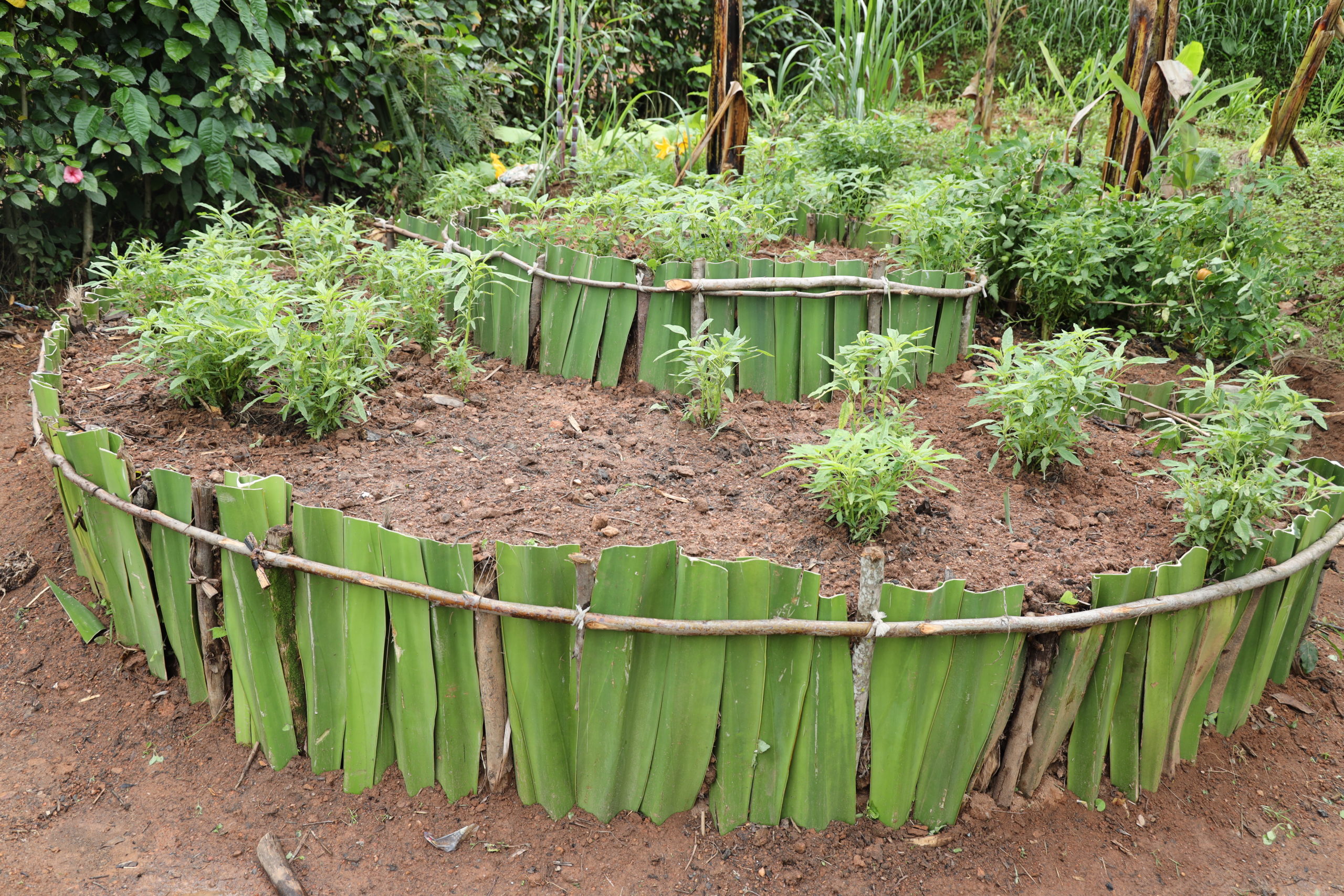
Men are involved in establishing kitchen gardens at HBECDs.

According to Jean Claude Habiyaremye, Director of Health in Gatsibo District, the Papa Rumuri initiative demonstrates the long-term value of educating fathers on childcare responsibilities.

“What we have observed is very encouraging. When men and women work together in ECDs, children receive better care, attendance improves, and families use their own resources to support the ECDs. Even if Caritas Rwanda were to withdraw, this collaboration would continue because parents now understand its importance,” he explains.

Currently, in Gatsibo District, Caritas Rwanda supports 59 HBECDs, serving 1,239 young children, with the involvement of over 130 Papa Rumuri role models across 10 cells. The initiative is also implemented in Bugesera and Nyaruguru districts, ensuring that male engagement remains a core pillar of the ECD Project.

Through Papa Rumuri, fathers are redefining their role, not only as providers, but as caregivers, role models, and partners in nurturing children’s growth and development.

January 8, 2026

Savings and Internal Lending Community groups (SILC groups) supported by Caritas Rwanda in partnership with Plan International Rwanda through the ECD Project are playing a vital role in improving the livelihoods of parents whose children attend home-based Early Childhood Development (HBECD), particularly in Bugesera District. Their testimonies show that the improved savings groups have strengthened their economic resilience while also helping them to provide for their children’s needs.

Parents explain that, through these groups, they are now able to meet essential needs for ECD, including buying uniforms, purchasing porridge flour when donated flour run out, and providing nutritious food products. Beyond supporting children at the HBECD, the increased household income ensures that children continue to receive a balanced diet and proper care even at home.

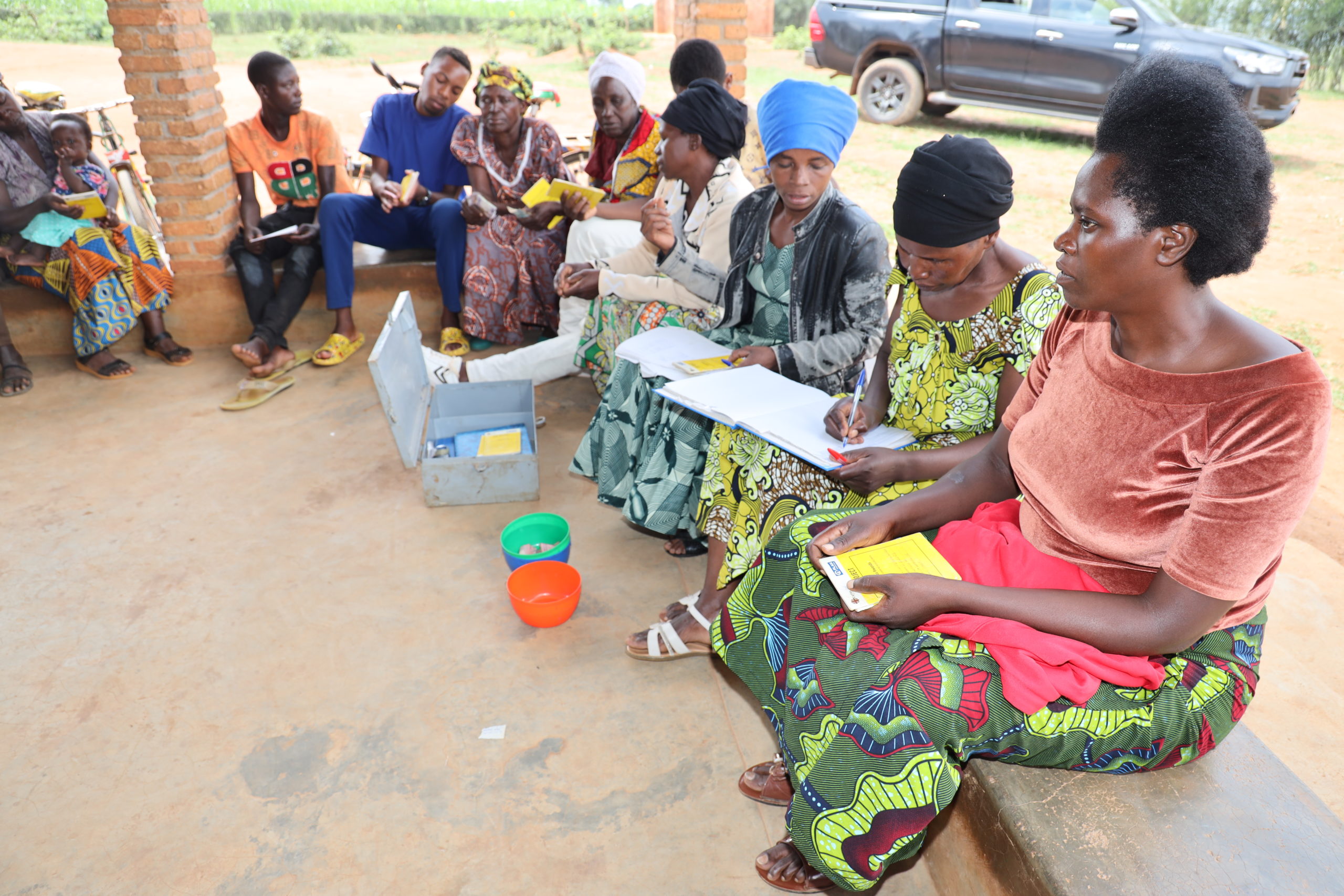
Penina Musabyimana, the manager of “Kura Ujye Ejuru” ECD located in Cyogamuyaga village, Tunda cell, Kamabuye sector in Bugesera District. Like many parents involved in ECD Project-supported HBECDs, she belongs to a saving group called “Duharanire Isuku”, which has 30 members. Each member saves between Rwf 200 and Rwf 650 per week, and a solidarity contribution of RWF 50.

Thanks to loans accessed through the group, Penina was able to construct a storage room next to her house and renovate her home by cementing the floors, using a Rwf 60,000 loan taken in two phases. Fellow group members also supported her by providing community works to make bricks, demonstrating the strong spirit of solidarity within the group.

Another beneficiary, Gahunga Emmanuel, is a member of the “Twite ku Bibondo” saving group in Tunda village, Tunda cell, Kamabuye sector in Bugesera District. The group was established in 2014, initially saving Rwf 200 per member, and later adopted the improved savings model in collaboration with Caritas Rwanda in 2022 and Plan International Rwanda. Gahunga highlights a system known as “targeted lending,” in his group, which ensures that loans are used strictly for their intended purpose through follow-up and accountability.

This approach has helped him pay secondary school fees for his children, one of whom is now attending university. He recently borrowed Rwf 100,000 and plans to take another loan to further invest in agriculture and livestock farming after completing repayment.

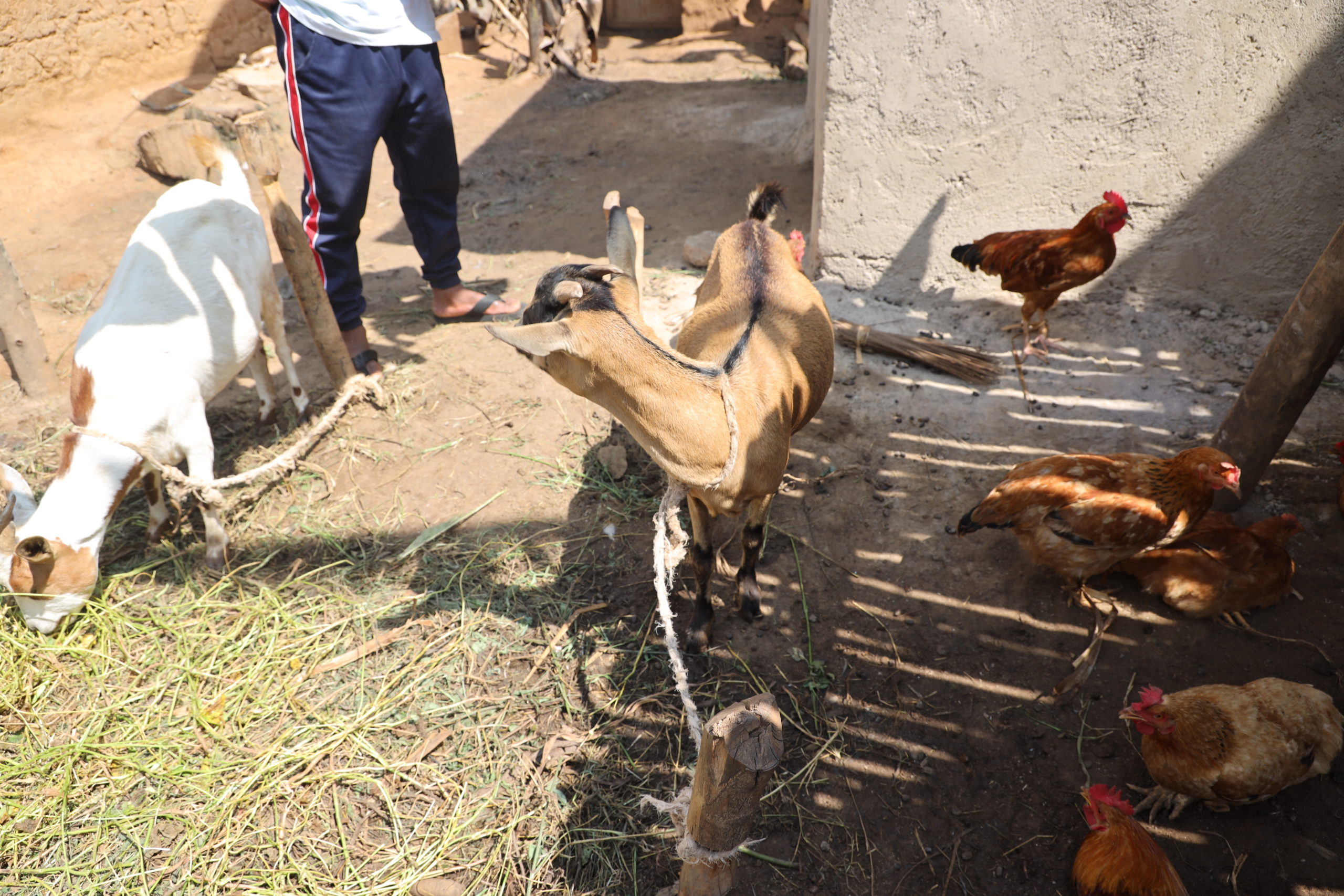
Similarly, Nyirankundiye Josée, also a member of “Twite ku Bibondo,” shares how the savings group transformed her life. She first borrowed Rwf 60,000 to buy goats, enabling her to pay school fees for her children. Later, she accessed Rwf 147,000 to purchase additional goats and chickens, increasing her household assets. Inspired by the results, she launched a banana-juice business, earning about Rwf 40,000 per month, and plans to take another loan to expand her activities.

Abadahigwa” saving group has invested in livestock for group members.

Beyond individual progress, the SILC groups also pursue collective goals. The “Abadahigwa” saving group in Ngeruka sector (Bugesera District) focuses on improving nutrition, housing, and hygiene. According to its leader, Habineza Emmanuel, the group distributed three chickens to each member during profit-sharing, helping families access eggs to combat child malnutrition. Members also took loans to replace grass bedding with mattresses under the initiative “Duce Nyakatsi mu Buriri,” ensuring all households now sleep in dignity.

For the 2025-2026 saving cycle, the group aims to improve household hygiene by encouraging members to purchase water containers for safe drinking water.

The ECD Project, implemented in Bugesera, Nyaruguru, and Gatsibo districts, currently supports 29 HBECD in Bugesera, with 13 in Kamabuye sector and 16 in Ngeruka sector. In each HBECD, parents are organized into savings and lending groups, ensuring that economic empowerment goes hand in hand with child development.

Through these improved savings groups, families are not only lifting themselves out of poverty but are also creating a healthier, more supportive environment for children to grow and thrive.

January 7, 2026

Parents in Nyaruguru District, Southern Province of Rwanda, whose children attend Home-Based Early Childhood Development (HBECD) supported by Caritas Rwanda in partnership with Plan International Rwanda, say the support provided has significantly improved the quality of care and learning for young children, making these HBECD a model to follow.

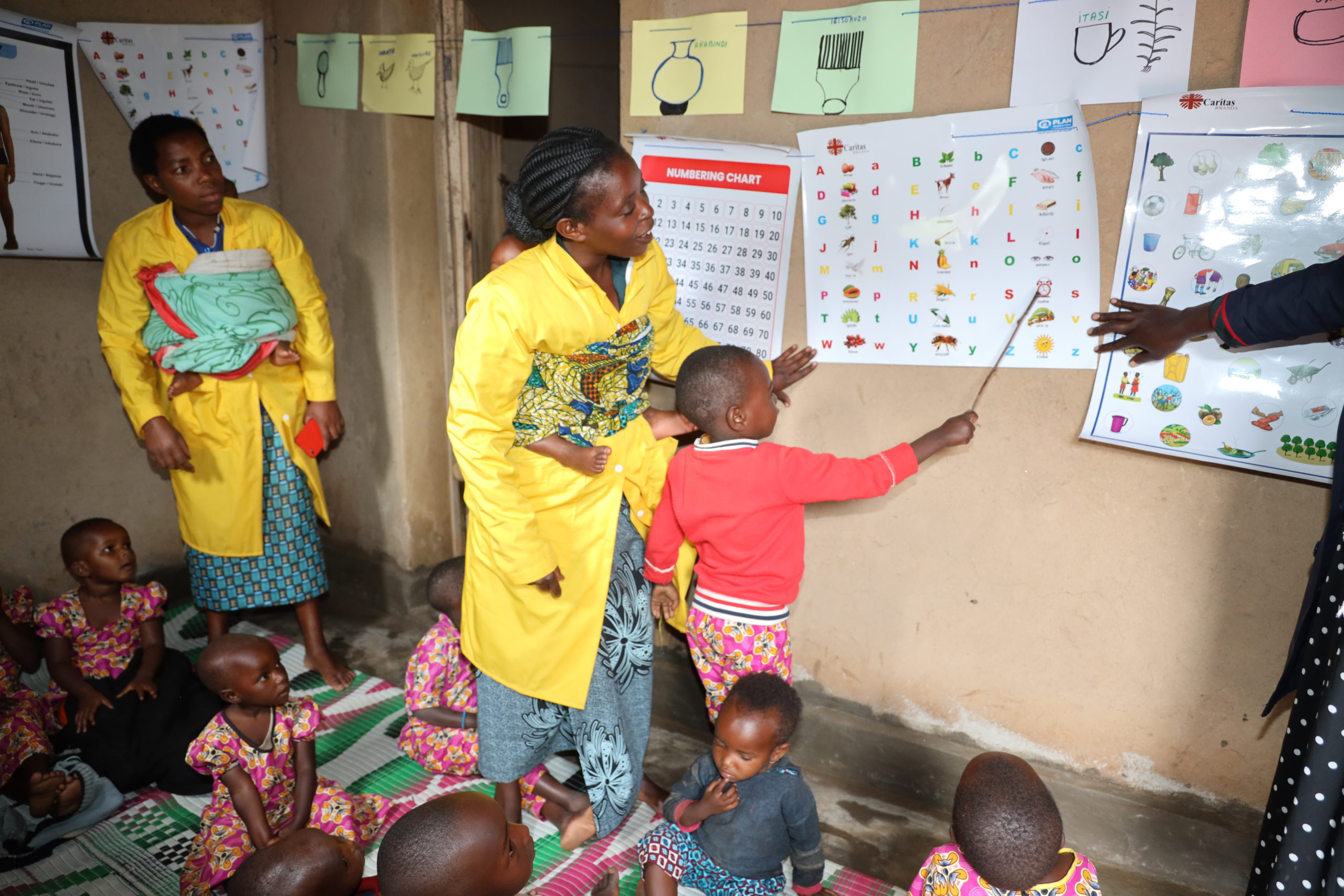
Through this partnership, Caritas Rwanda delivers comprehensive support to HBECD, including the improvement of learning environments, provision of learning materials for children and caregivers, hygiene supplies, and early literacy tools. Caregivers and parents are also trained in childcare, nutrition, hygiene practices, and how to make learning toys using locally available materials.

Beyond training, the HBECD receive fortified porridge flour, cooking and feeding utensils such as saucepans, cups, and plates, water tanks and drinking water filters, mattresses and mats for children, and small incentives for caregivers and parents who look after children on daily basis. These ECDs operate within community homes (HBECDs), where families voluntarily host children, creating a safe and nurturing environment.

Mukahigiro Beatha, a caregiver at Kurujyejuru HBECD in Giheta Cell, Munini Sector, says the training has transformed how children grow and learn. She explains that children now receive balanced diets, including vegetables, which has helped eliminate cases of malnutrition. She also highlights how homemade toys stimulate children’s thinking skills, adding that the HBECD has become a reference point in the community.

Marthe Muhimpundu, another caregiver at Kurujyejuru B, notes that although children may initially struggle to adapt, training has equipped caregivers with skills to help children socialize, play, and feel comfortable. She emphasizes that children who attend HBECD develop better cognitive skills, learn to count up to ten, recognize shapes, and integrate easily into nursery school.

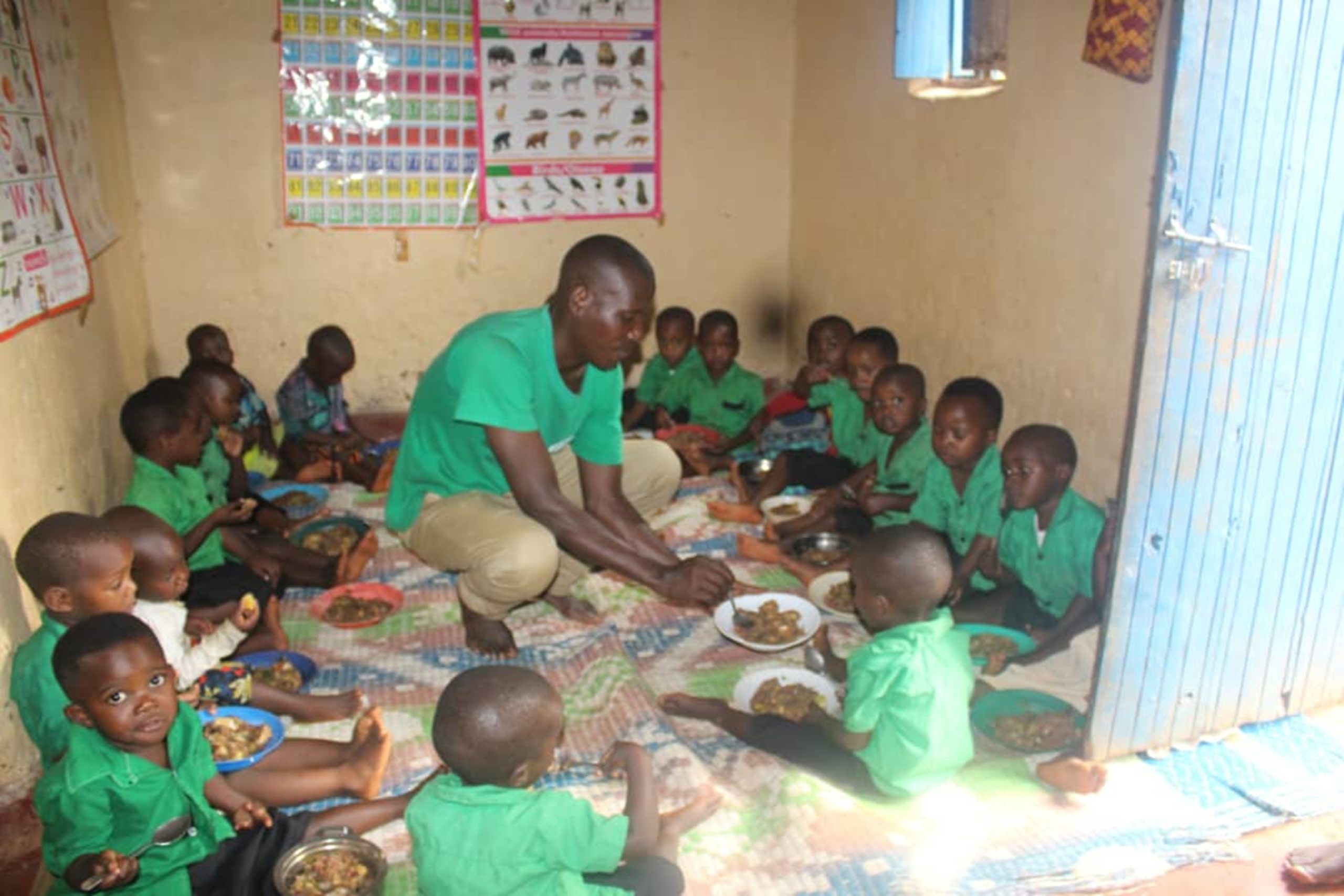
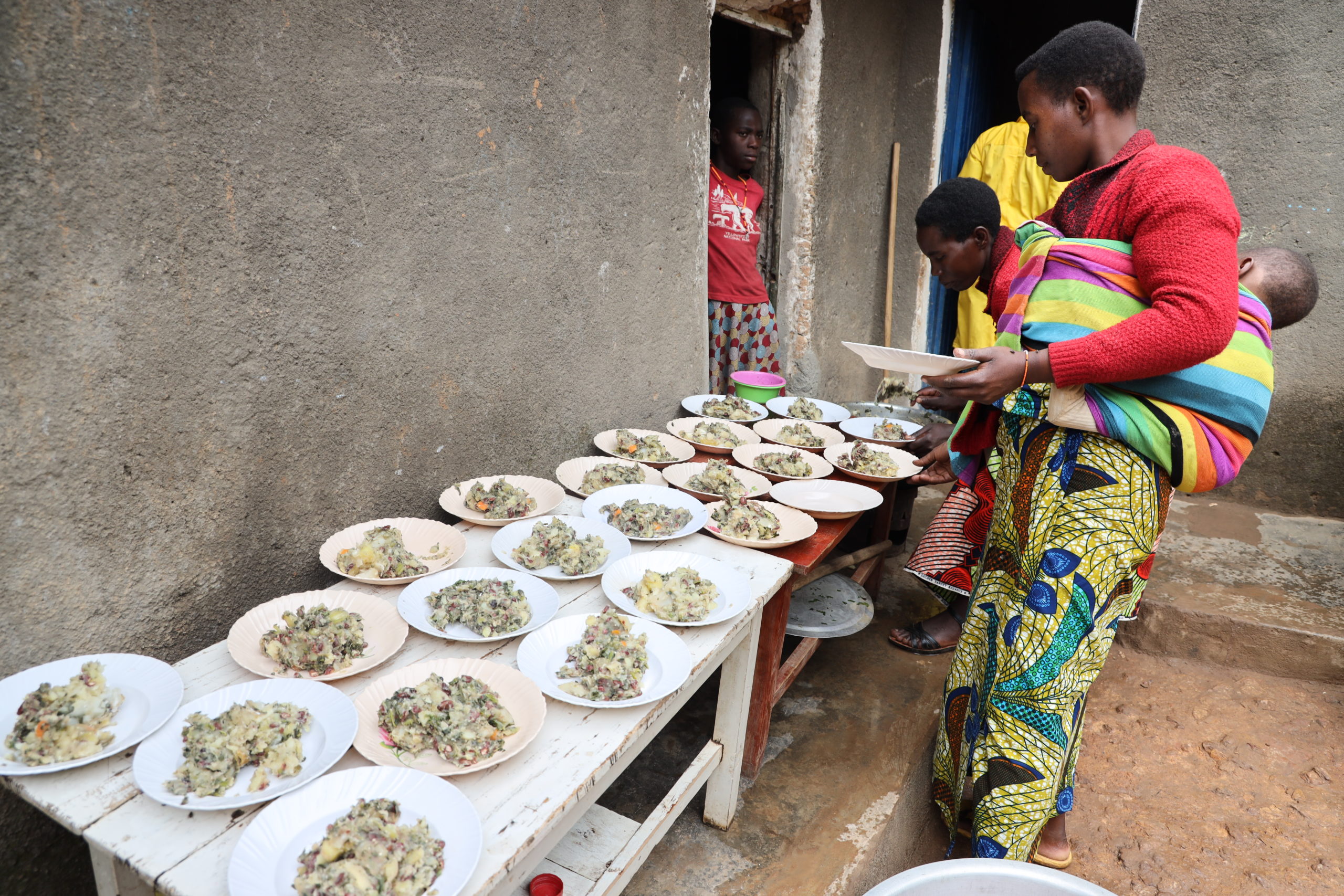
In HBECDs supported by the ECD Project, parents help caregivers prepare nutritious meals for children.

Male involvement has also increased. Ndatsikira Innocent, a trained male caregiver at Inyange ECD in Munini Sector, says the training helped him overcome the belief that childcare is only for women. He now confidently feeds, cleans, and cares for children both at home and at the HBECD, encouraging other men to actively participate in raising children.

For parents like Akimana Angelique, a tailor, HBECD provide peace of mind and economic opportunity. “Knowing my child is safe allows me to focus on my work and increase productivity, something that would be difficult if I stayed home caring for my child”, says Angelique.

Each HBECD also maintains a kitchen garden, developed with support from parents and ECD Project staff. These gardens supply vegetables for children’s meals while enabling parents to learn modern farming techniques they can replicate at home.

In each HBECD, parents have set up a kitchen garden with support from ECD Project staff.

According to Ntakirutimana Donatha, the Munini Sector officer in charge of ECD and nutrition, HBECD supported by Caritas Rwanda and Plan International Rwanda stand out due to the professionalism of trained caregivers, adequate equipment, and regular follow-up visits, which ensure that challenges are addressed promptly.

In Nyaruguru District alone, the Caritas Rwanda’s ECD Project supported by Plan International Rwanda oversees 26 HBECD, serving 601 children (290 boys and 311 girls).

The Secretary General of Caritas Rwanda, Fr. Oscar Kagimbura, notes that with increased resources, the project could be expanded nationwide. Currently, Caritas Rwanda implements ECD activities in Nyaruguru, Bugesera, and Gatsibo districts, in collaboration with Plan International Rwanda and the National Child Development Agency (NCDA) through diocesan Caritas structures across the country.

Between 2014 and 2024, Caritas Rwanda supported over 45,000 ECDs, reached nearly 1.8 million children, rehabilitated thousands of malnourished children through improved nutrition, and trained more than 2.5 million caregivers on the six pillars of early childhood development, contributing significantly to child well-being and school readiness nationwide.