

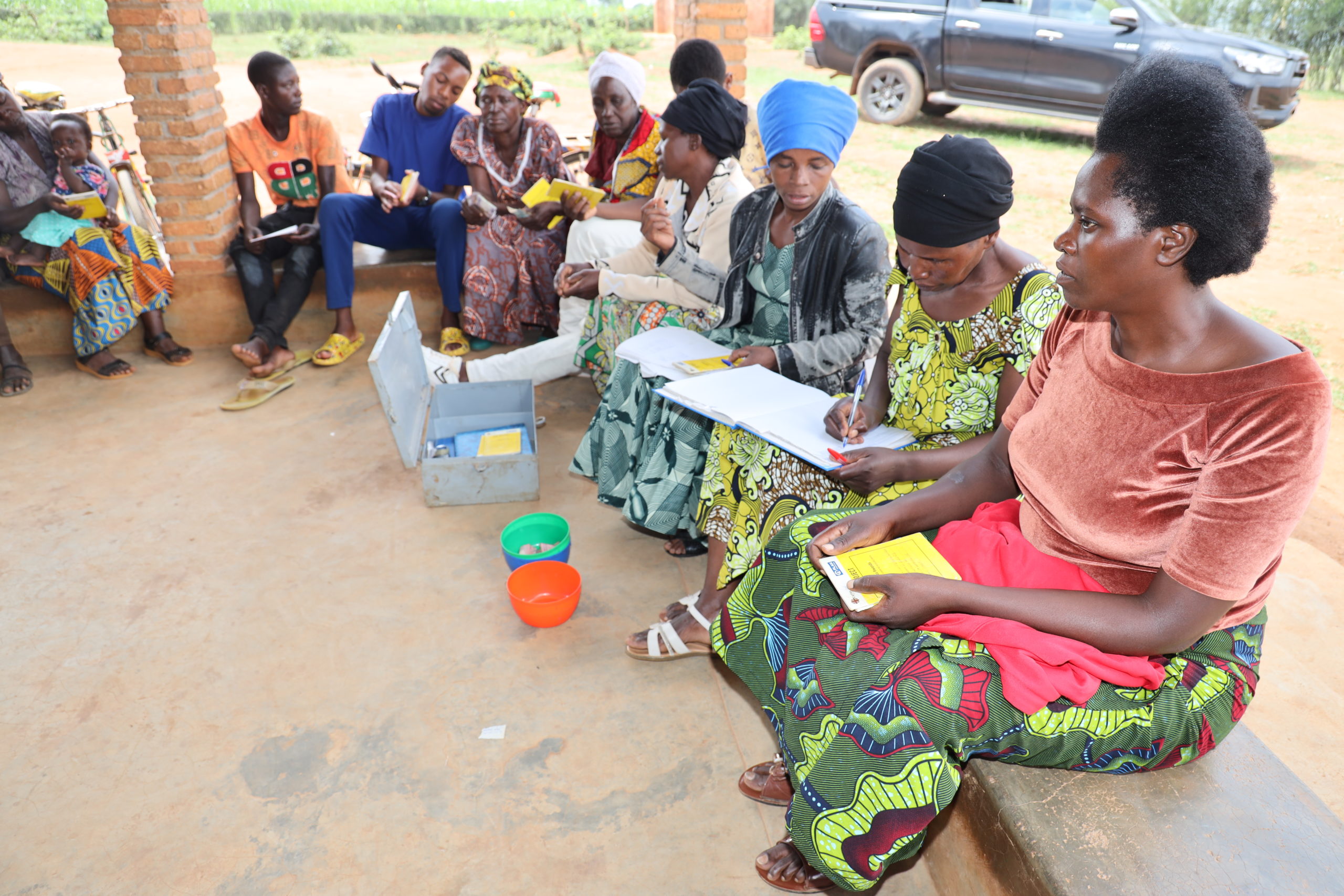
Savings and Internal Lending Community groups (SILC groups) supported by Caritas Rwanda in partnership with Plan International Rwanda through the ECD Project are playing a vital role in improving the livelihoods of parents whose children attend home-based Early Childhood Development (HBECD), particularly in Bugesera District. Their testimonies show that the improved savings groups have strengthened their economic resilience while also helping them to provide for their children’s needs.
Parents explain that, through these groups, they are now able to meet essential needs for ECD, including buying uniforms, purchasing porridge flour when donated flour run out, and providing nutritious food products. Beyond supporting children at the HBECD, the increased household income ensures that children continue to receive a balanced diet and proper care even at home.
Penina Musabyimana, the manager of “Kura Ujye Ejuru” ECD located in Cyogamuyaga village, Tunda cell, Kamabuye sector in Bugesera District. Like many parents involved in ECD Project-supported HBECDs, she belongs to a saving group called “Duharanire Isuku”, which has 30 members. Each member saves between Rwf 200 and Rwf 650 per week, and a solidarity contribution of RWF 50.
Thanks to loans accessed through the group, Penina was able to construct a storage room next to her house and renovate her home by cementing the floors, using a Rwf 60,000 loan taken in two phases. Fellow group members also supported her by providing community works to make bricks, demonstrating the strong spirit of solidarity within the group.
Another beneficiary, Gahunga Emmanuel, is a member of the “Twite ku Bibondo” saving group in Tunda village, Tunda cell, Kamabuye sector in Bugesera District. The group was established in 2014, initially saving Rwf 200 per member, and later adopted the improved savings model in collaboration with Caritas Rwanda in 2022 and Plan International Rwanda. Gahunga highlights a system known as “targeted lending,” in his group, which ensures that loans are used strictly for their intended purpose through follow-up and accountability.
This approach has helped him pay secondary school fees for his children, one of whom is now attending university. He recently borrowed Rwf 100,000 and plans to take another loan to further invest in agriculture and livestock farming after completing repayment.
Similarly, Nyirankundiye Josée, also a member of “Twite ku Bibondo,” shares how the savings group transformed her life. She first borrowed Rwf 60,000 to buy goats, enabling her to pay school fees for her children. Later, she accessed Rwf 147,000 to purchase additional goats and chickens, increasing her household assets. Inspired by the results, she launched a banana-juice business, earning about Rwf 40,000 per month, and plans to take another loan to expand her activities.
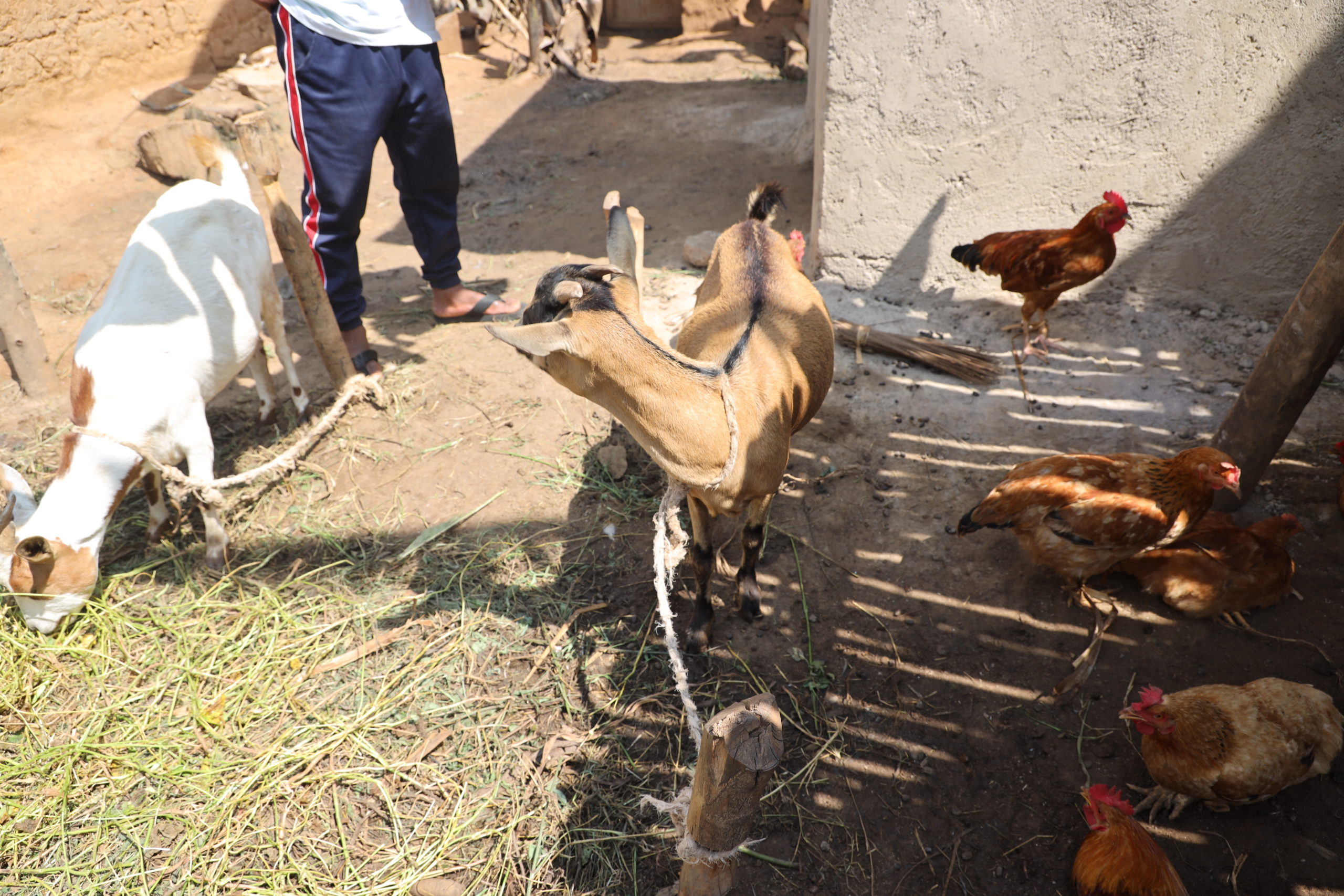
Beyond individual progress, the SILC groups also pursue collective goals. The “Abadahigwa” saving group in Ngeruka sector (Bugesera District) focuses on improving nutrition, housing, and hygiene. According to its leader, Habineza Emmanuel, the group distributed three chickens to each member during profit-sharing, helping families access eggs to combat child malnutrition. Members also took loans to replace grass bedding with mattresses under the initiative “Duce Nyakatsi mu Buriri,” ensuring all households now sleep in dignity.
For the 2025-2026 saving cycle, the group aims to improve household hygiene by encouraging members to purchase water containers for safe drinking water.
The ECD Project, implemented in Bugesera, Nyaruguru, and Gatsibo districts, currently supports 29 HBECD in Bugesera, with 13 in Kamabuye sector and 16 in Ngeruka sector. In each HBECD, parents are organized into savings and lending groups, ensuring that economic empowerment goes hand in hand with child development.
Through these improved savings groups, families are not only lifting themselves out of poverty but are also creating a healthier, more supportive environment for children to grow and thrive.