
March 30, 2026

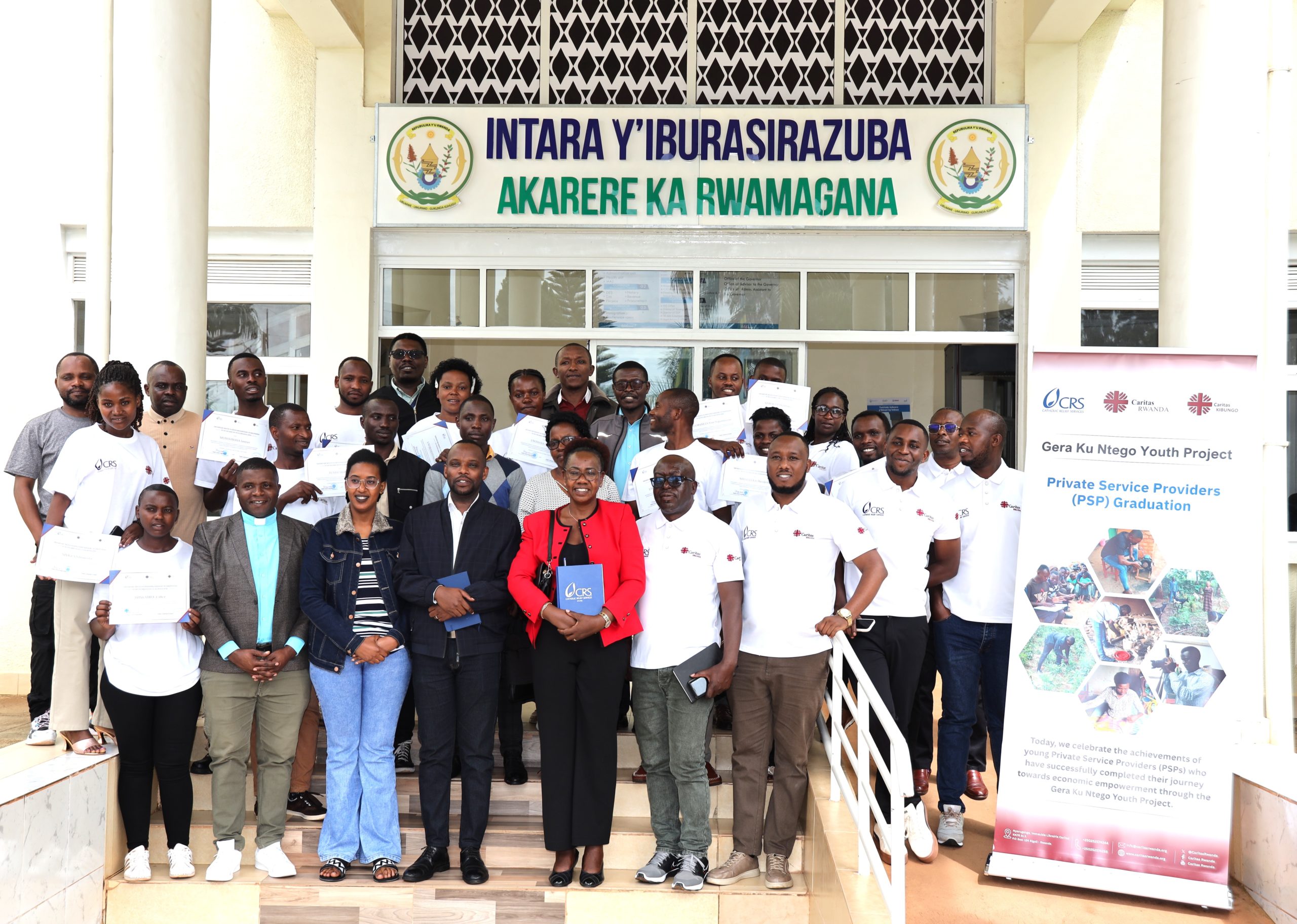
A total of 24 field agents from the Gera Ku Ntego Youth Project operating in Rwamagana and Kayonza districts have officially graduated as Private Service Providers (PSPs), marking a significant milestone in their journey toward entrepreneurship. This follows a year of intensive training, mentorship, and practical experience in supporting savings and internal lending communities (SILC), after which they successfully passed both theoretical and practical assessments.

The graduation ceremonies took place on March 25 and 26, 2026, as part of the Gera Ku Ntego (GKN) Youth Project, funded by CRS and implemented by Caritas Kibungo in partnership with Caritas Rwanda across Rwamagana, Kayonza, and Ngoma districts.

Graduates shared inspiring testimonies of personal transformation and economic progress

Nzabandora Ildephonse, a PSP from Rwamagana District, explained that before joining the project, he was part of other savings groups but struggled to achieve tangible results due to a lack of clear goals. Through the Gera Ku Ntego Youth Project, he developed a business plan focused on pig farming. With support from his savings group, he built a pigsty (with Rwf 200,000), secured an additional loan of Rwf 1,000,000 (in SACCO), and successfully launched his business, which has since grown significantly.

Similarly, Dusabemariya Florentine from Kayonza District shared how she started poultry farming with just 20 chickens using a group loan. Today, her poultry has grown to 45 chickens, demonstrating steady progress and improved income.
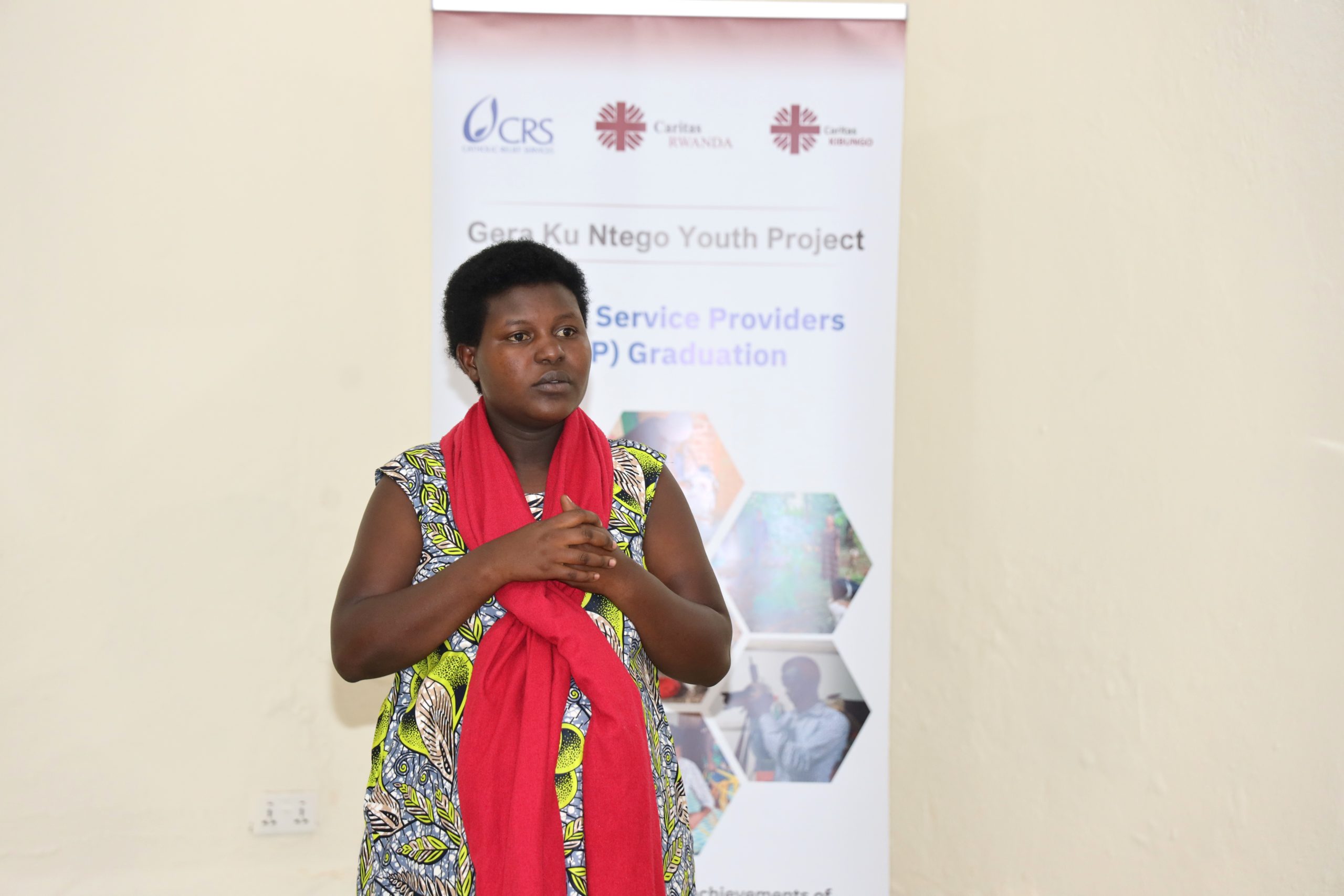
Dusabemariya Florentine, one of the Kayonza PSPs runs a poultry farming.

These testimonies reflect strong confidence among the graduates, highlighting their optimism and belief that their future careers will be successful.

Recognition from partners and local authorities

During the ceremony in Rwamagana, Ms. Anathalie Mukankusi, representing CRS, commended the graduates for their dedication and achievements. She also expressed appreciation to Caritas Kibungo, Caritas Rwanda, and local authorities for their collaboration, emphasizing that although CRS provided funding, the successful implementation of the project relied heavily on local partnerships.

She noted that the graduates fully deserved their certification, having undergone a rigorous evaluation process that included written assessments, review of their field reports, and field visits to the savings groups they supported. All 24 candidates were found competent.

Ms. Mukankusi encouraged the new PSPs to remain committed and continue working hard to grow their businesses. She also called upon local leaders to facilitate connections between PSPs and community groups, while encouraging communities to fairly compensate the services provided by PSPs.
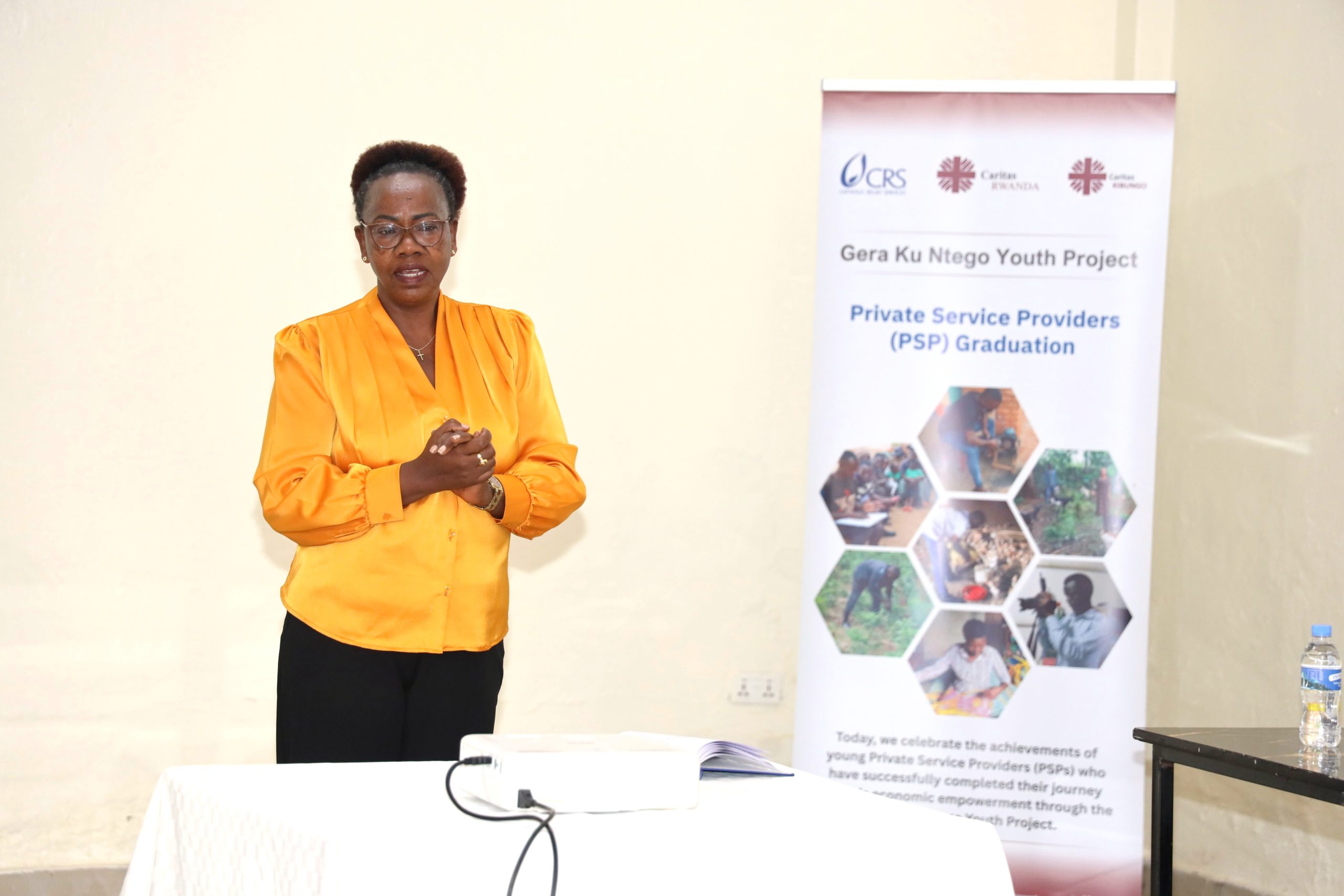
Ms. Anathalie Mukankusi, who represented CRS during the certification ceremonies.

Representing Rwamagana District, Mr. Pierre Rutinduka praised Caritas Kibungo and its partners, noting that the trained youth represent a valuable asset for the district. In response to the request to support PSPs in accessing new groups, he affirmed that local authorities would take up this responsibility and ensure follow-up at the district level.

In Kayonza District, the ceremony was graced by Fr. Emmanuel Bamporineza, Deputy Secretary General of Caritas Rwanda, who served as the guest of honor. He expressed gratitude to CRS for funding the initiative and to local authorities for their role in ensuring effective implementation, starting from the identification of beneficiaries.

He also congratulated the graduates for their commitment and urged them to make productive use of the knowledge acquired: “The world is evolving rapidly. The gift you should give to Caritas and the Government should be reflected in how you apply the knowledge you gained, not keeping it idle, but using it to improve your own lives and benefit the communities you serve.”
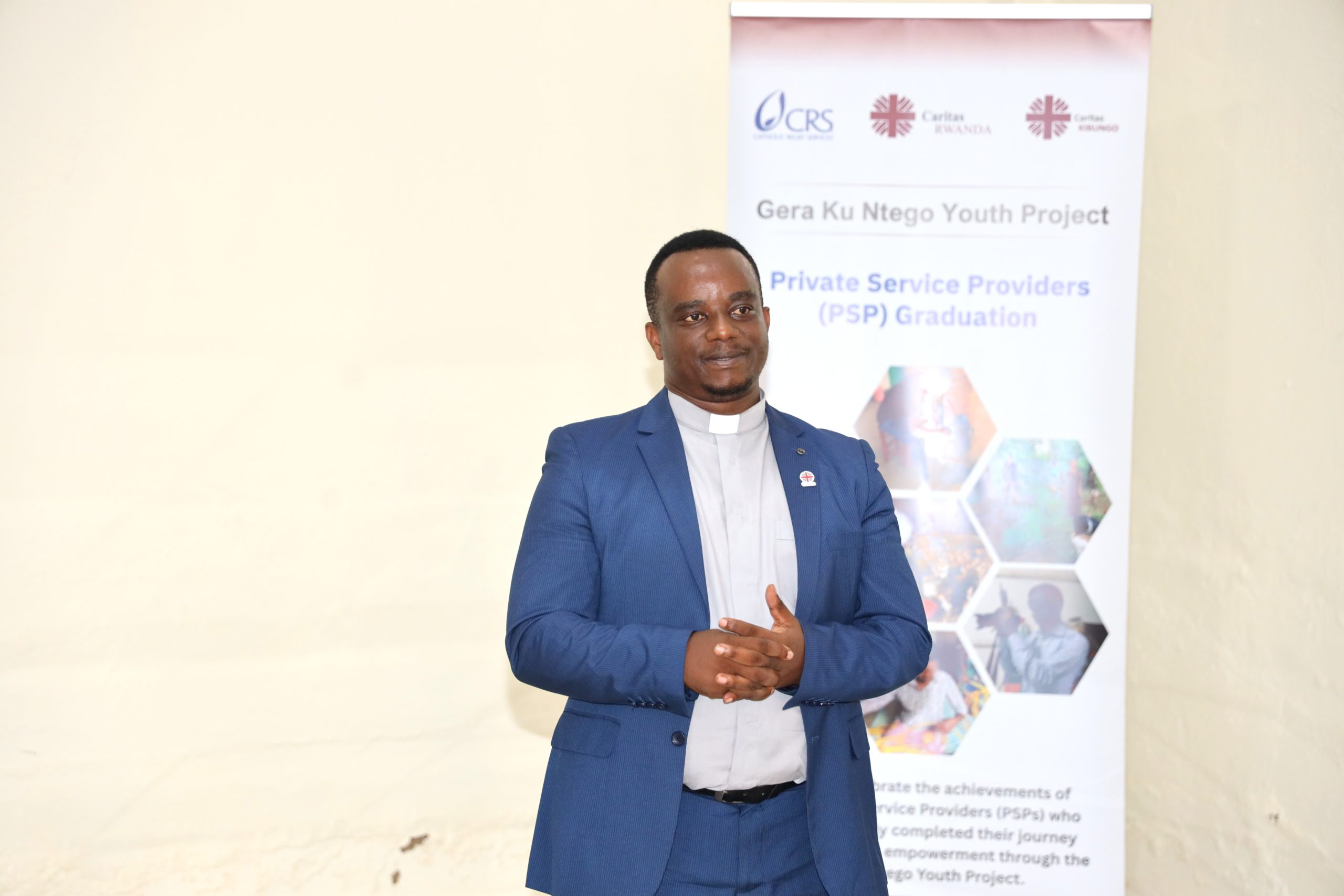
Fr. Emmanuel Bamporineza, Deputy Secretary General of Caritas Rwanda.

Expanding impact

An additional 12 facilitators are expected to graduate on March 31, 2026, further expanding the network of PSPs supporting community-based financial systems.

Since October 2024, the Gera Ku Ntego Youth Project has supported 242 savings groups across the three districts, reaching 6,049 youth. Together, they have saved over RWF 101.7 million and accessed loans exceeding RWF 82.3 million (from October 1, 2024, to December 31, 2025).

Beyond group economic activities, these groups also engage in group service activities designed to inspire and encourage group members to give back to the community through collective action and social responsibility.
March 30, 2026
March 30, 2026

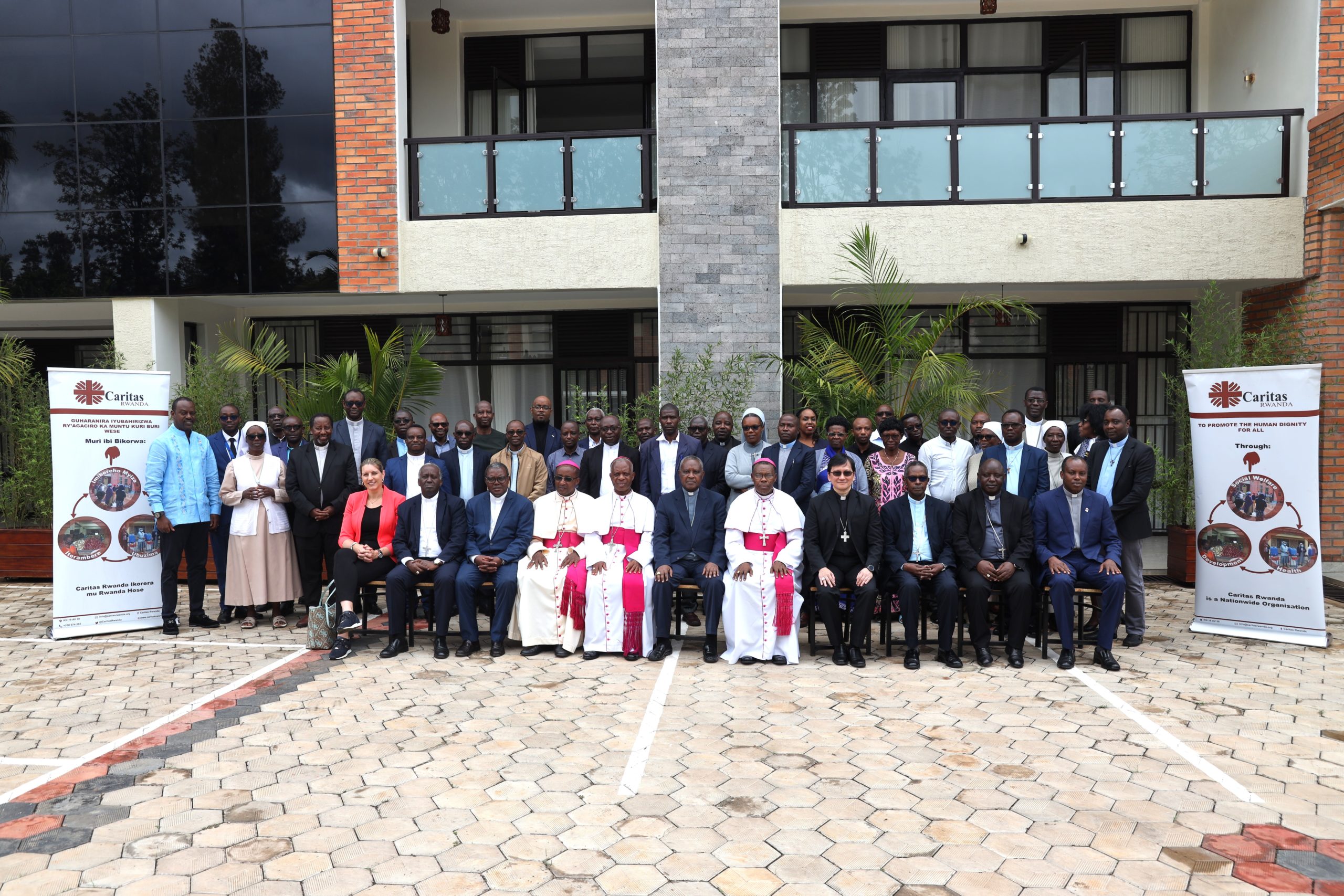
The 29th General Assembly of Caritas Rwanda was held at Centre Saint Vincent Pallotti-Gikondo from March 23 to 24, 2026. The assembly reviewed the 2025 achievements, established priorities for 2026, and reinforced the Caritas family’s dedication to serving the most vulnerable.

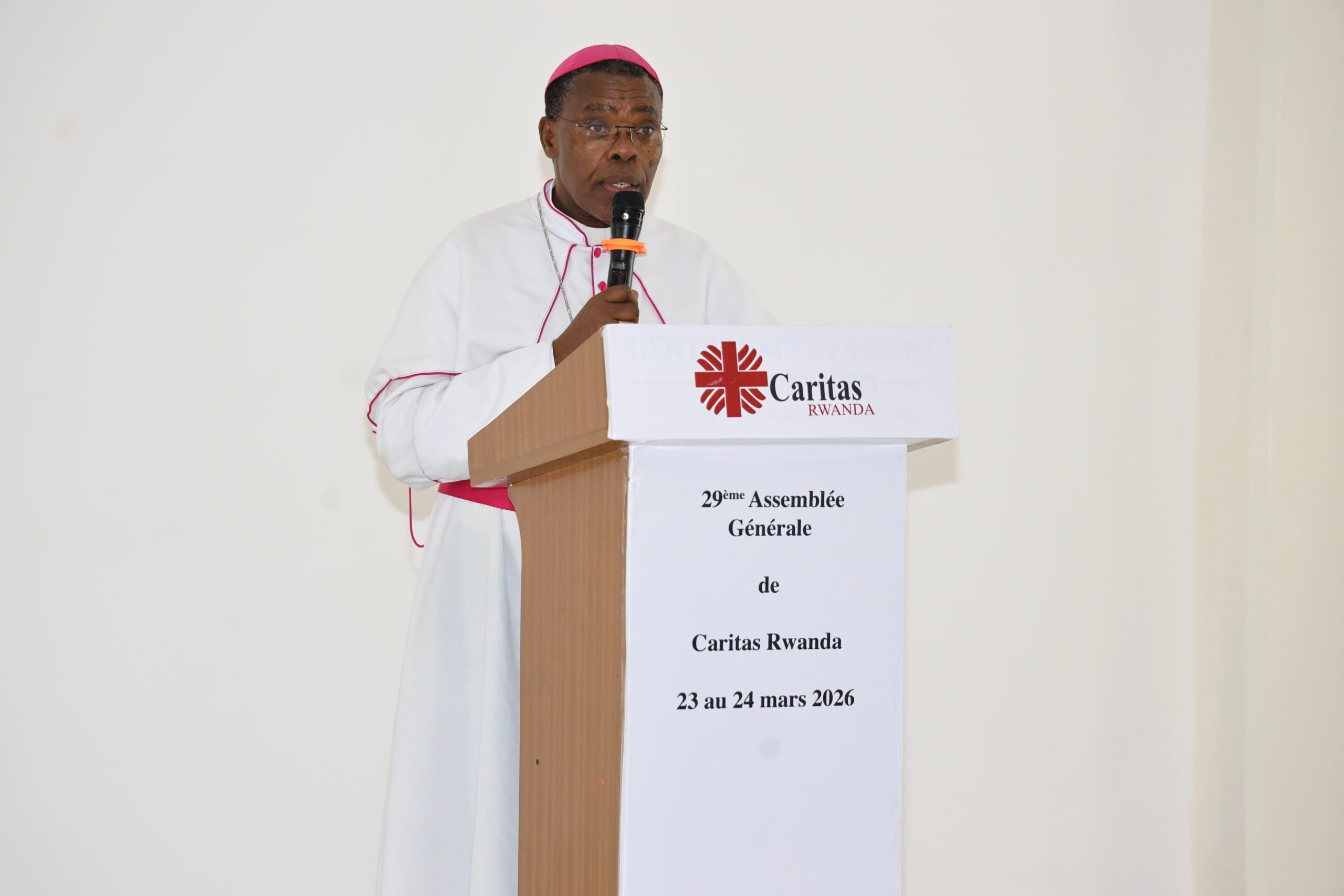
In his opening remarks, H.E. Bishop Anaclet Mwumvaneza, President of Caritas Rwanda and Bishop of Nyundo Diocese, emphasized that the accomplishments of 2025 are the result of strong collaboration with stakeholders, including the Government of Rwanda, Caritas Rwanda program participants, as well as technical and financial partners.

H.E. Bishop Anaclet Mwumvaneza, addressing participants in the Caritas Rwanda 29th General Assembly.

Bishop Anaclet Mwumvaneza also stressed the need to strengthen local financial autonomy and community engagement to ensure sustainable and rapid interventions in support of the most vulnerable.

In his address, H.E. Bishop Arnaldo Sanchez Catalan, the Apostolic Nuncio to Rwanda, invited Caritas Rwanda to root its mission in the three fundamental pillars highlighted by Pope Leo XIV: peace, justice, and truth[1]. He noted that peace should not be understood merely as the absence of conflict, but as a living reality that transforms individuals and communities. Justice, he added, is inseparable from peace and requires concrete efforts to address growing inequalities and uphold the dignity of the most vulnerable. Truth, meanwhile, remains essential for building authentic relationships, especially in a world marked by ambiguity and artificial realities.

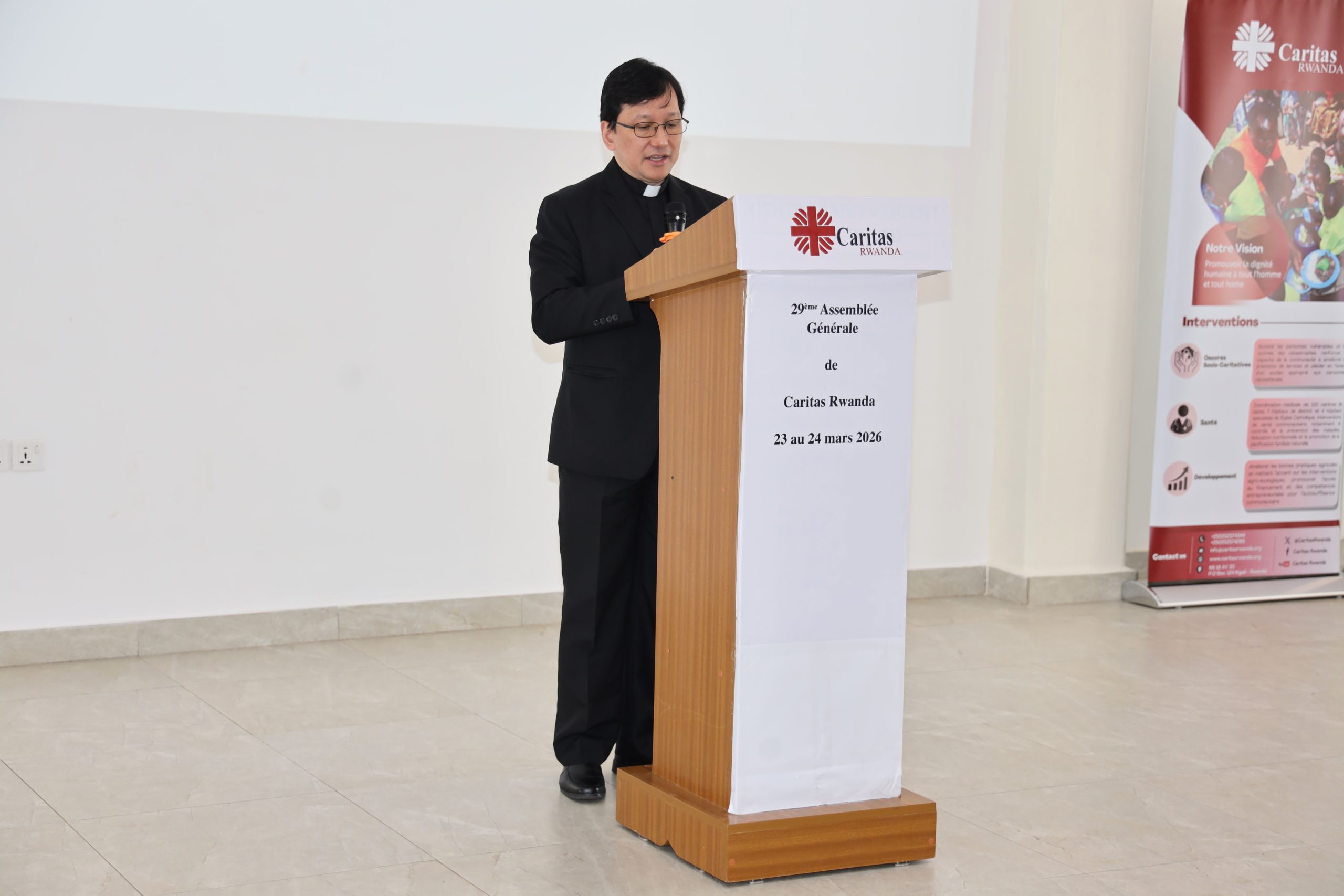
H.E. Mgr Arnaldo S. Catalan, the Apostolic Nuncio to Rwanda, delivering his speech.

One of the highlights of the Assembly was the presentation of the 2025 activity reports across four departments: (i) Administration and Finance, (ii) Social Welfare, (iii) Health, and (iv) Development. These sessions provided an opportunity to assess progress made in 2025, share successes, and analyze challenges encountered. Participants actively engaged in discussions, demonstrating a strong commitment to transparency, accountability, and continuous improvement.

Although 2025 was marked by a reduction in external funding (a 16% budget decrease and a 25% reduction in staff), Caritas Rwanda expressed satisfaction at having regained a positive trajectory. Its projected budget has increased thanks to new projects funded after the 2025 crisis.

Regarding the Month of Charity 2025, a total of Rwf 239,508,573 was collected. The Diocese of Ruhengeri ranked first with Rwf 48,853,604, followed by the Diocese of Nyundo with Rwf 40,373,726.

During the Assembly, the 2026 operational plan was also presented by departments. Each department presented its priorities and strategies, leading to constructive discussions aimed at strengthening the impact and coordination of activities for 2026.

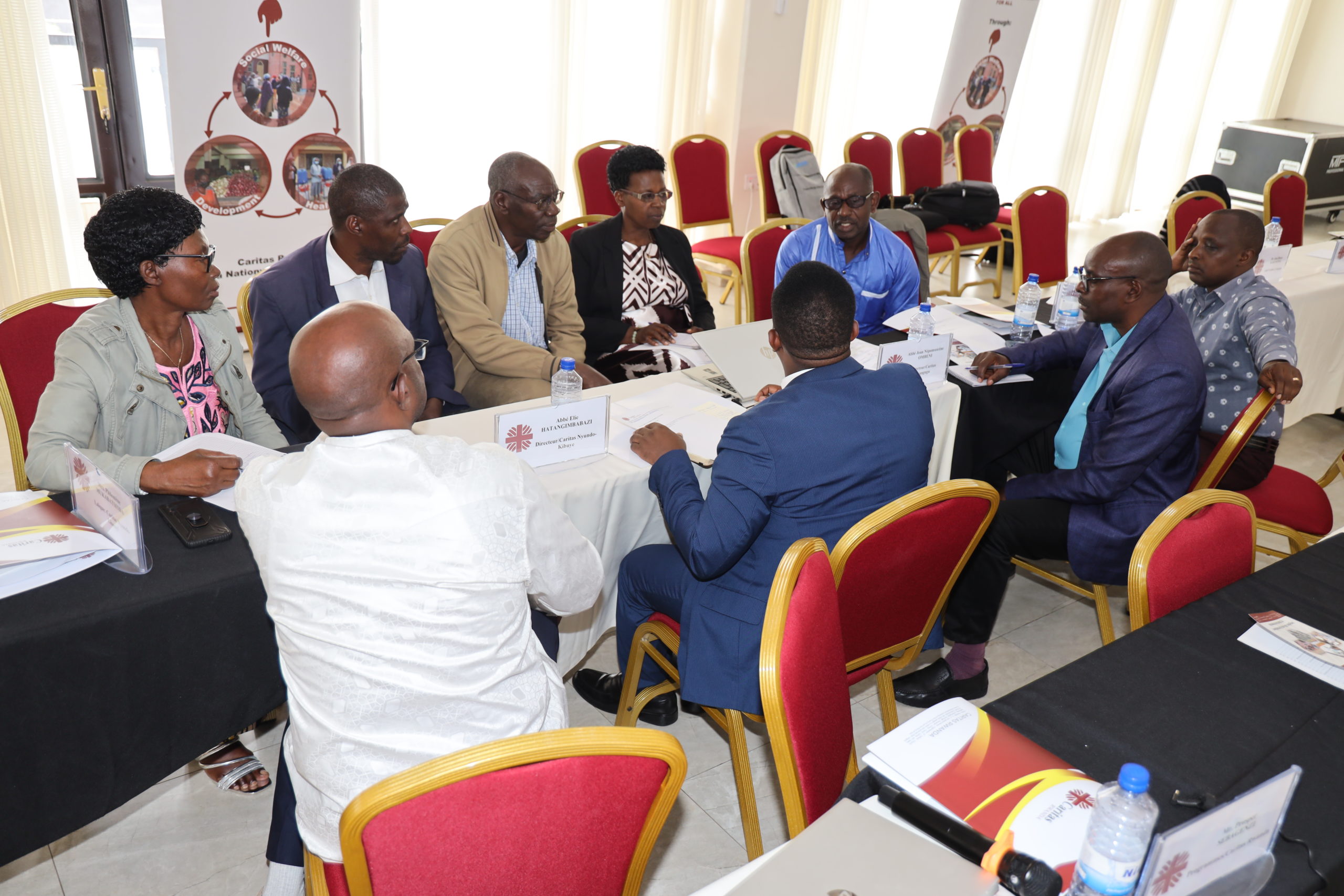
The second day was dedicated to exchanges focused on reinforcing the commitment of the Caritas family to serving the most vulnerable. Following

Laypeople meeting, one of the specific meetings held during the 29th General Assembly of Caritas Rwanda.

, the General Assembly formulated recommendations.

Brief overview of the General Assembly’s recommendations

The recommendations from the 29th General Assembly of Caritas Rwanda place particular emphasis on strengthening collaboration and synergy among the various structures of the Church. Specifically, the Episcopal Conference of Rwanda (CEPR) and Caritas Rwanda are asked to consolidate joint work between commissions, episcopal services, and diocesan Caritas, in a spirit of synodality, to ensure more rational resource management and better coordination of actions in support of integral human development. Harmonizing the legal framework for collaboration and disseminating best practices within the Caritas network are also identified as essential levers for increasing the effectiveness of interventions.

Furthermore, the Assembly stressed the importance of strengthening institutional sustainability through innovative resource mobilization strategies. Caritas Rwanda and the diocesan Caritas are encouraged to explore new funding opportunities, enhance the value of their investments, and promote a culture of self-financing. Developing a culture of auditing and diversifying fundraising mechanisms, particularly during the Charity Month, is seen as a priority for ensuring these initiatives’ sustainability.

Finally, the recommendations emphasized strengthening Caritas’ pastoral and social mission within communities. This includes operationalizing chaplaincy services in correctional facilities, providing spiritual support in health facilities, and promoting the Caritas spirit at all levels.

[1] https://www.vatican.va/content/leo-xiv/en/speeches/2025/may/documents/20250516-corpo-diplomatico.html

March 9, 2026
March 9, 2026

From 3 to 5 March 2026, leaders from across the Caritas Internationalis Confederation gathered in Kigali for the Humanitarian Conference 2026, held under the theme: “Rooted in Compassion, Rising to the Challenge: Caritas Humanitarian Action in a Changing World”.

The three-day conference brought together representatives from Caritas organizations around the world to reflect on the evolving humanitarian landscape and strengthen collaboration across the Confederation. As global crises become increasingly complex, the gathering provided an opportunity to share experiences, explore emerging challenges, and identify strategic approaches to ensure Caritas remains effective and principled in its humanitarian mission.

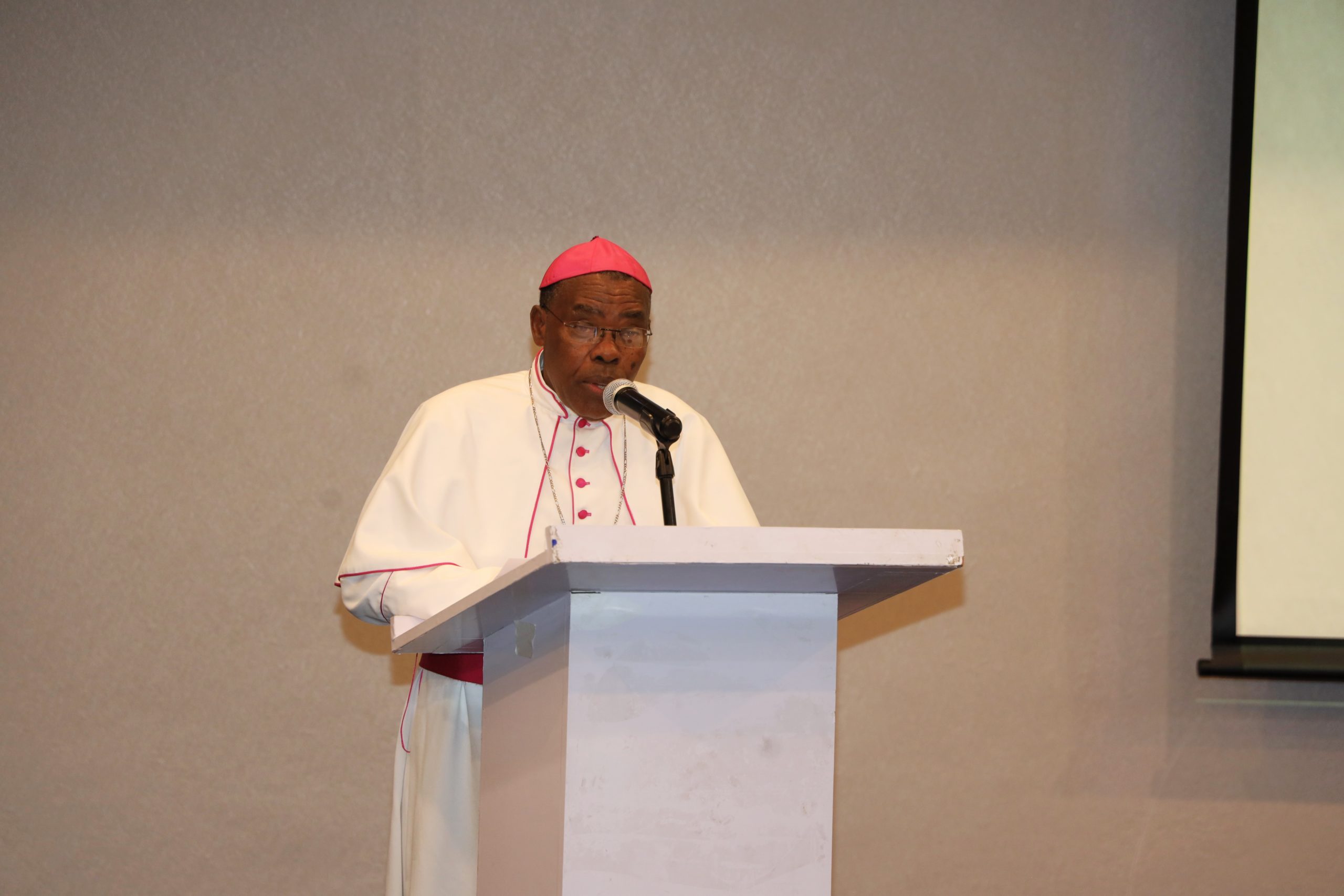
Bishop Anaclet Mwumvaneza, officially opened the Humanitarian Conference of Caritas Internationalis.

Participants highlighted the profound transformations affecting humanitarian action worldwide. Growing geopolitical tensions, climate-induced disasters, forced displacement, and protracted conflicts are significantly increasing humanitarian needs. At the same time, humanitarian actors are navigating shrinking civic space, rapid digital transformation, and shifting donor priorities.

In this context, Caritas organizations are called to adapt their approaches while remaining firmly rooted in their mission of serving the most vulnerable. With its deep presence in local communities and its commitment to integral human development, the Caritas Confederation is uniquely positioned to respond to these evolving challenges with compassion, innovation, and solidarity.

The first day of the conference focused on examining lobal geopolitical and humanitarian sector shifts and their implications for Caritas’ humanitarian work.

Participants explored how international dynamics are reshaping humanitarian response and discussed how the Confederation can adapt its strategies to remain principled, effective, and well-coordinated. Discussions also highlighted the importance of strengthening collaboration among Caritas members to ensure timely and impactful responses to crises around the world.

The second day centered on localization and local leadership, emphasizing the crucial role of local Caritas organizations and community actors in humanitarian response.

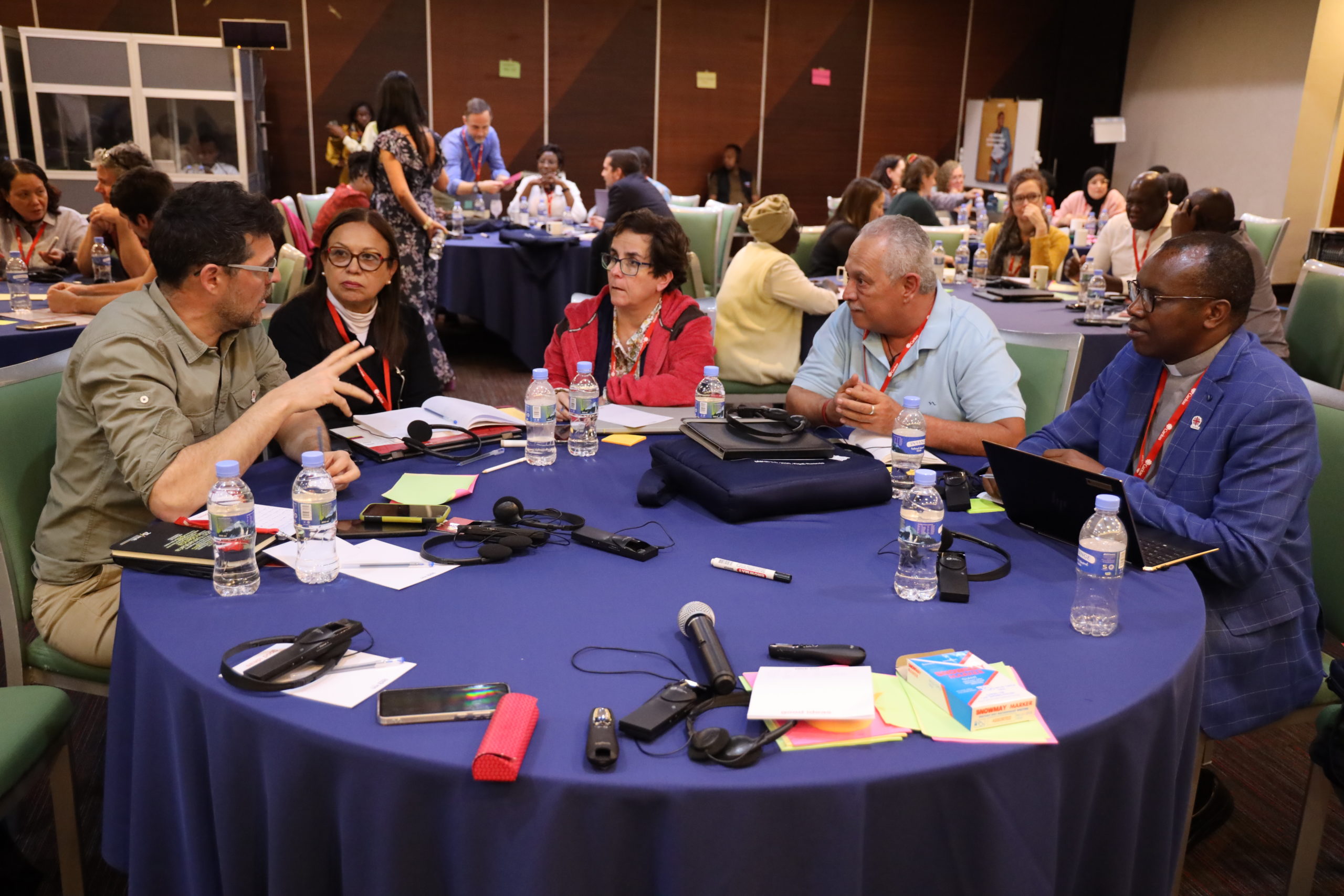
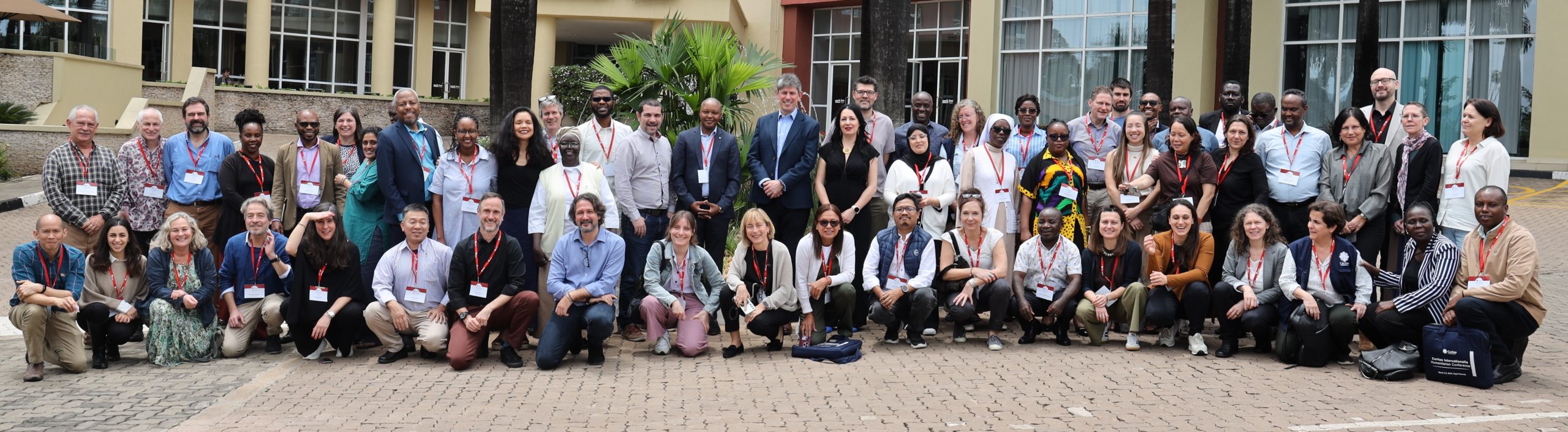
Group photo / Caritas Internationalis 2026 Humanitarian Conference.

Participants reaffirmed the importance of placing local leadership at the heart of humanitarian work, recognizing that local actors are often the first responders during crises. Strengthening their capacity, amplifying their voices in global advocacy, and ensuring equitable partnerships were identified as key priorities for the Confederation moving forward.

Celebrating and sharing good practices

The final day of the conference provided a platform to celebrate and share humanitarian good practices from across the Caritas network.

Participants presented innovative responses and successful initiatives in different programmatic areas, fostering peer learning and inspiration across the Confederation. These exchanges highlighted the creativity, resilience, and dedication of Caritas organizations working in diverse contexts worldwide.

The Humanitarian Conference concluded with a renewed commitment to strengthening solidarity across the Caritas network and enhancing the Confederation’s capacity to respond to growing humanitarian needs.

Rooted in compassion and guided by its values of human dignity and social justice, Caritas continues to stand alongside vulnerable communities around the world. The insights and commitments emerging from this conference will help shape the Confederation’s humanitarian action in the years ahead, ensuring that Caritas remains a strong and trusted actor in an increasingly complex humanitarian environment.